Marek's Disease in Chickens: Symptoms, Causes and Treatment
Marek's disease in chickens is a contagious herpesvirus infection spread in feather dander that can cause paralysis, tumors, abnormal pupils, weight loss, and death. There is no cure once clinical disease develops, so care is supportive and severely affected birds may require humane euthanasia. Vaccination at hatch and protected brooding during early immunity are the primary controls.
Veterinarian Reviewed
FlockVet Veterinary Editorial Team· Reviewed January 2026
This is a veterinary emergency.
If your bird is showing these signs, contact a veterinarian immediately. Do not wait. Time-sensitive conditions can deteriorate rapidly without professional intervention.
At a Glance
- Urgency
- Emergency
- Contagious
- Yes
- Affects Humans
- No
- Key Symptoms
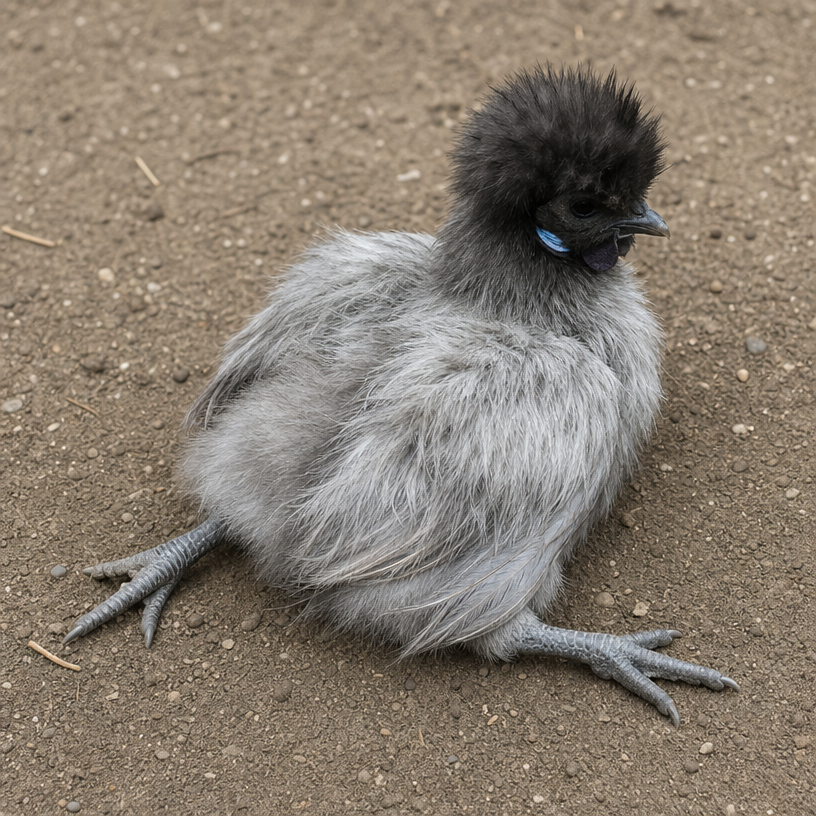
- progressive leg or wing paralysis (one leg extended forward, one back - 'splits' posture), twisted neck (torticollis), sudden weight loss despite eating
- Prognosis
- Poor for affected birds showing clinical signs. Most will not recover from paralysis. Prognosis for the flock depends on vaccination status and biosecurity practices. Well-vaccinated flocks in contaminated environments can maintain low clinical incidence.
📑 On This Pagetap to expand
🔍What Are the Symptoms of Marek's Disease?
- ●Progressive leg or wing paralysis (one leg extended forward, one back - 'splits' posture)
- ●Twisted neck (torticollis)
- ●Sudden weight loss despite eating
- ●Grey iris or irregular pupil (ocular Marek's)
- ●Vision impairment - bumping into objects
- ●Skin tumors or enlarged feather follicles
- ●Pale comb from anemia
- ●Sudden death without prior obvious signs (acute form)
- ●Immunosuppression leading to secondary infections
🧬What Causes Marek's Disease in Chickens?
Marek's Disease Virus (MDV) is an alphaherpesvirus that infects chickens and only chickens. It has four recognized forms:
- Classical/Neural form: Most common. Causes progressive paralysis from nerve sheath destruction. The classic "splits" posture (one leg forward, one back) is pathognomonic - nothing else looks exactly like it.
- Acute form: Rapid onset, high mortality, affects young birds (6-16 weeks). Birds may die before paralysis develops.
- Ocular form: Affects the iris, causing grey discoloration and irregular pupil shape. Leads to blindness.
- Cutaneous form: Enlarged feather follicles and skin tumors, most visible around bare skin areas.
How it spreads:
MDV replicates in feather follicles and is shed continuously in feather dander. Infected birds shed virus throughout their lives - even vaccinated birds that carry the virus without showing disease. The virus is airborne in dust particles, has an exceptionally long environmental survival time (months to years in dried dander), and is resistant to many disinfectants.
This means:
- Any premises that has housed chickens likely has MDV in the environment
- New chicks introduced to a contaminated premises will be exposed within days
- There is no "clearing" MDV from a premises once established
🔬How Is Marek's Disease Diagnosed?
Clinical diagnosis is based on the characteristic presentation in unvaccinated or under-vaccinated birds, particularly the "splits" paralysis posture and progressive nerve involvement.
Definitive diagnosis:
- PCR testing of blood or feather pulp (available through state labs)
- Post-mortem histopathology showing lymphomatous infiltration of peripheral nerves
- Visual identification of gray iris (ocular form)
Critical differentials:
- Newcastle Disease: Also causes paralysis and twisted neck, but spreads very rapidly through the entire flock, often with respiratory signs. NDV is reportable.
- Lymphoid Leukosis (ALV): Causes tumors similar to Marek's but typically in older birds (>16 weeks), does not cause paralysis, spread is through eggs not dander.
- Vitamin B1 (Thiamine) deficiency: "Star gazing" posture, responds to thiamine supplementation
- Botulism: "Limberneck," floppy paralysis, affects multiple species
💊How Is Marek's Disease Treated?
There is no treatment for Marek's Disease. Once a bird shows clinical signs, the nerve or tumor damage cannot be reversed. Management focuses on:
For the affected bird:
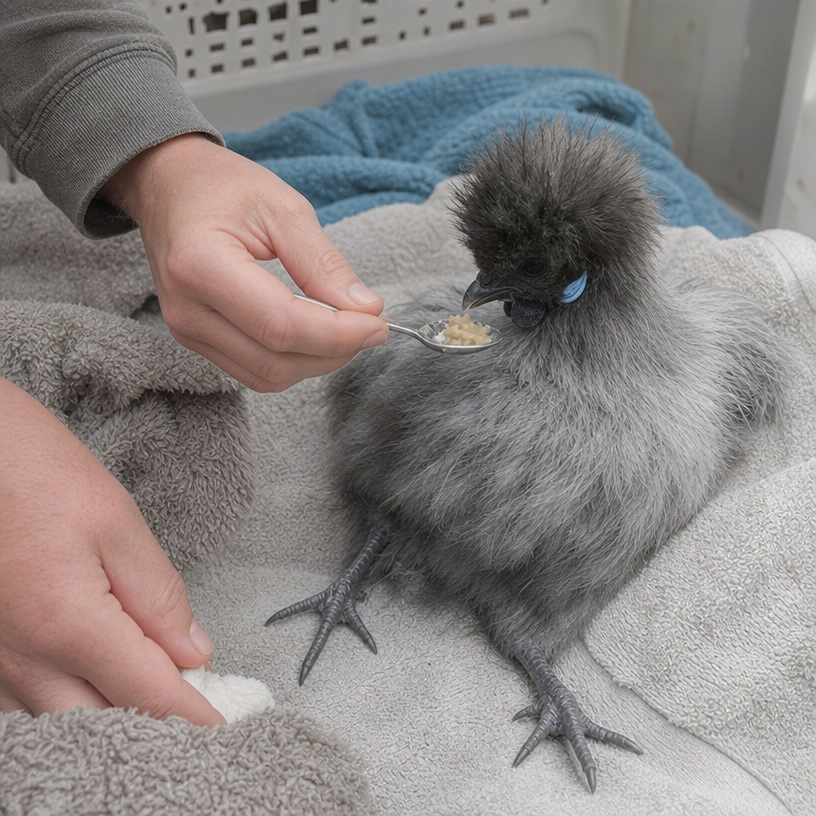
- Provide food and water within easy reach of a paralyzed bird - birds with leg paralysis will starve/dehydrate if food is not accessible from the floor
- Sling support for paralyzed birds to prevent pressure sores
- Euthanasia when quality of life deteriorates - this is often the most humane choice
Flock management after a diagnosis:
- Vaccinate all new chicks at hatch - Marek's vaccine must be given at day 1 to be effective (maternal antibodies interfere after day 3)
- Do not brood new vaccinated chicks in a contaminated environment for at least 2 weeks post-vaccination - the vaccine takes 2 weeks to fully develop immunity
- Consider Marek's-resistant breeds for future flocks: Rhode Island Reds, New Hampshire Reds, and some heritage breeds show natural resistance
- Biosecurity: minimize dust exposure to new birds, clean and ventilate brooder thoroughly
Marek's disease vaccination
HVT, SB-1, and Rispens CVI988 are common vaccine types, with Rispens used for stronger protection in higher-risk settings. Vaccinate subcutaneously at hatch, ideally within 24 hours, and keep chicks away from contaminated dander while immunity develops. Hatcheries are the most reliable source of correctly stored and administered vaccine; home hatchers can buy vaccine from poultry suppliers but must follow cold-chain, mixing, and injection directions exactly. Vaccination greatly reduces tumors and paralysis but does not prevent infection or shedding.
Natural & Integrative Care for Marek's Disease
Marek's requires vaccination - that's non-negotiable. Natural care supports immune function to reduce clinical expression, but cannot treat or prevent infection. Stress management is the highest-value natural intervention.
No natural remedy treats or cures Marek's Disease. Anyone claiming otherwise is wrong. The virus causes irreversible nerve and tumor damage that cannot be reversed by herbs, supplements, or diet.
What natural and supportive care CAN do:
Immune support to reduce clinical expression:
Marek's Disease has a spectrum of expression - some infected birds never develop clinical disease because their immune system controls the virus. Optimizing immune function doesn't eliminate MDV, but it may reduce the proportion of infected birds that develop paralysis or tumors.
- Vitamin E (400 IU per bird weekly) - critical for immune T-cell function
- Vitamin D3 supplementation - regulates immune gene expression
- Selenium - works with vitamin E for immune support
- Turmeric in feed - anti-inflammatory, may reduce severity of nerve inflammation
- Oregano oil in water - general immune support, antimicrobial against secondary infections
Stress reduction:
Stress is the primary trigger for MDV reactivation from latency to clinical disease. Flocks with stable pecking orders, adequate space, low predator stress, and good nutrition have consistently lower Marek's clinical incidence even with equal virus exposure.
- Adequate space (minimum 4 sq ft indoors per bird)
- Stable flock dynamics - minimize unnecessary introductions
- Consistent management routine
- Lavender and rosemary in nesting areas - mild calming properties
Supportive care for affected birds:
- Vitamin B complex - supports nerve function
- Turmeric paste on feed - anti-inflammatory
- Soft, deep bedding to prevent pressure sores

🛡️How Can Marek's Disease Be Prevented?
Vaccination is the only effective prevention. Everything else is secondary.
Vaccination protocol:
- Vaccinate at hatch - day 0 or day 1 only. The vaccine is ineffective if given after day 3.
- The Rispens CVI988 vaccine (bivalent) provides the strongest protection for high-challenge environments
- Herpesvirus of Turkey (HVT) vaccine is commonly included in hatchery chick vaccination
- Vaccine does not prevent infection - it prevents clinical disease. Vaccinated birds can still carry and shed MDV.
The 2-week window:
The most dangerous period is the 2 weeks after vaccination before full immunity develops. Do not expose newly vaccinated chicks to a contaminated adult environment during this window. Brood separately with clean litter.
Biosecurity:
- Quarantine new birds for 30 days before flock introduction
- Chicks from hatcheries should have Marek's vaccination documented
- Minimize dust and feather dander spread from adult areas to brooder areas
- Breed selection: Rhode Island Reds, Buckeyes, New Hampshires show natural resistance
📞When Should I Call a Vet for Marek's Disease?
Call a vet if:
- Multiple birds develop paralysis rapidly - rapid spread suggests acute MDV or possibly Newcastle Disease (reportable)
- You need definitive diagnosis to distinguish MDV from NDV or lymphoid leukosis
- You need guidance on flock management after a confirmed MDV outbreak
- Chicks vaccinated at hatch are developing Marek's - may indicate a vaccination problem or highly virulent strain
❓Marek's Disease: Frequently Asked Questions
How do I vaccinate chickens for Marek's disease?
Vaccination must happen at hatch - ideally within the first 24 hours of life. The vaccine is given as a single subcutaneous injection in the back of the neck. Most hatcheries vaccinate automatically upon request. If hatching at home, purchase the Marek's vaccine (Rispens or HVT strain) and administer with a fine-gauge needle.
Can humans get Marek's disease from chickens?
No. Marek's disease is caused by a herpesvirus that only infects birds, specifically chickens and some other poultry species. It poses no risk to human health and is not zoonotic. There is no evidence of transmission to other mammals either.
How do chickens get Marek's disease?
Marek's disease spreads through feather follicle dander shed by infected birds. The virus is extremely hardy and can survive in contaminated dust and litter for months or years. New unvaccinated birds introduced to a flock with previous Marek's exposure are at very high risk. The virus is airborne in particles.
What are the symptoms of Marek's disease in chickens?
Classic symptoms include progressive leg or wing paralysis, one leg extended forward and one back (the 'splits' posture), dilated pupils with irregular edges, vision loss, weight loss despite eating, and sudden death in otherwise healthy-looking birds. Tumors may be found in internal organs at necropsy.
How do you treat Marek's disease in chickens?
There is no cure for Marek's disease. Once infected, the virus remains in the bird's system for life. Supportive care - easy food and water access, isolation, comfortable bedding - can keep affected birds comfortable. Vaccination is the only effective strategy. Culling is recommended for birds with severe neurological symptoms.
How do you prevent Marek's disease in chickens?
Vaccinate all chicks at hatch - this is the single most effective prevention. The vaccine does not prevent infection but prevents the development of tumors and paralysis. Maintain strict biosecurity, quarantine new birds for 30 days before flock introduction, and clean coops thoroughly before introducing unvaccinated birds.
📋Key Points
- ✓Marek's Disease Virus (MDV) is an alphaherpesvirus that infects chickens and only chickens.
- ✓Key symptoms: progressive leg or wing paralysis (one leg extended forward, one back - 'splits' posture), twisted neck (torticollis), sudden weight loss despite eating, grey iris or irregular pupil (ocular marek's).
- ✓Poor for affected birds showing clinical signs. Most will not recover from paralysis. Prognosis for the flock depends on vaccination status and biosecurity practices. Well-vaccinated flocks in contaminated environments can maintain low clinical incidence.
- ✓This condition is contagious, isolate affected birds promptly.
🔗Related
Related Conditions
Natural Remedies & Supplements
📚Sources & References
- 1.Marek's Disease in Poultry. Merck Veterinary Manual. 2024
- 2.Marek's Disease. USDA Animal and Plant Health Inspection Service. 2023
- 3.Poultry Programs - UC Davis School of Veterinary Medicine. UC Davis Veterinary Medicine Extension. 2024
- 4.Nair V.. Marek's Disease: Immunology and Control. Avian Diseases. 2020