Newcastle Disease in Chickens: Symptoms, Causes and Treatment
Newcastle Disease (ND) is a highly contagious viral infection of poultry caused by Newcastle Disease Virus (NDV), a paramyxovirus with strains ranging from mild to rapidly fatal. Virulent strains (Velogenic NDV) are federally reportable in the United States and can kill an entire flock within days. Clinical signs include respiratory distress, neurological deficits, greenish diarrhea, and a sudden collapse in egg production. There is no cure; outbreak management relies on vaccination, biosecurity, and regulatory response.
Veterinarian Reviewed
FlockVet Editorial Team· Reviewed August 2026
This is a veterinary emergency.
If your bird is showing these signs, contact a veterinarian immediately. Do not wait. Time-sensitive conditions can deteriorate rapidly without professional intervention.
At a Glance
- Urgency
- Emergency
- Contagious
- Yes
- Affects Humans
- Yes, zoonotic
- Key Symptoms
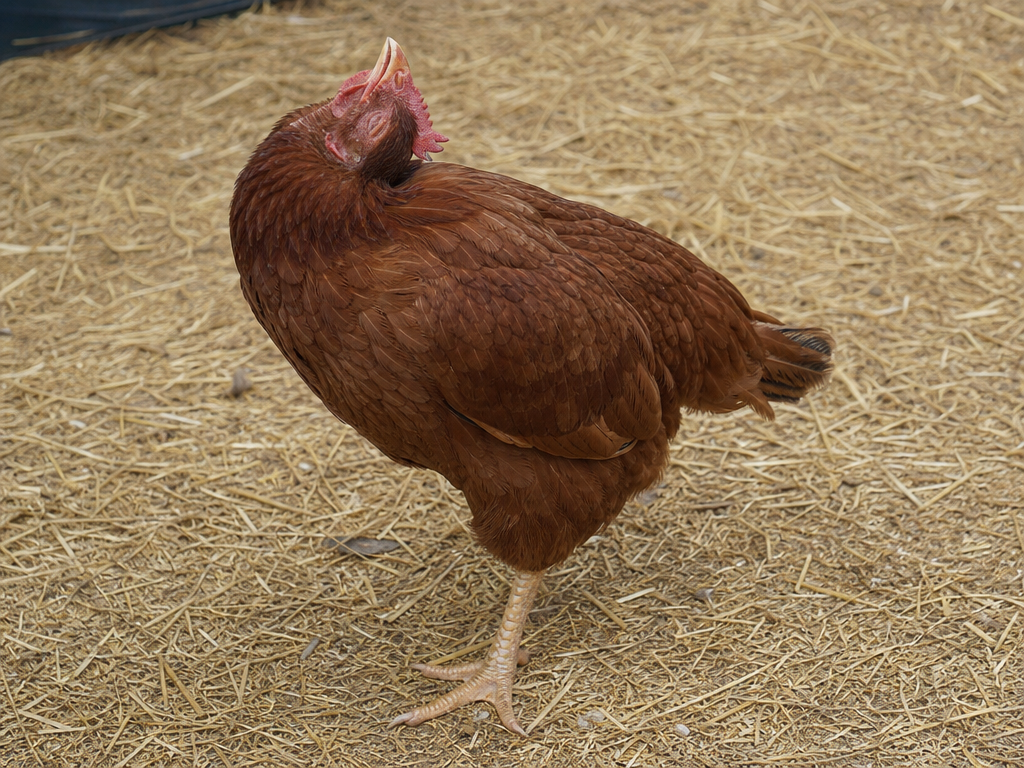
- sudden onset of respiratory distress (coughing, gasping, rattling), neurological signs: twisted neck (torticollis), circling, paralysis, greenish or white watery diarrhea
- Prognosis
- Lentogenic strains: good, low mortality with supportive care. Velogenic strains: poor to grave, mortality 50-100% without intervention. Birds with severe neurological signs rarely recover full function even if they survive the acute phase.
📑 On This Pagetap to expand
🔍What Are the Symptoms of Newcastle Disease in Chickens?
- ●Sudden onset of respiratory distress (coughing, gasping, rattling)
- ●Neurological signs: twisted neck (torticollis), circling, paralysis
- ●Greenish or white watery diarrhea
- ●Sudden flock-wide drop in egg production (50-100%)
- ●Swollen head, face, and wattles
- ●Rapid flock mortality (velogenic strains: 50-100%)
- ●Nasal discharge and conjunctivitis
- ●Lethargy, huddling, and depression
- ●Soft or shell-less eggs in surviving layers
- ●Uncoordinated movements and inability to stand
🧬What Causes Newcastle Disease in Chickens in Chickens?
Newcastle Disease is caused by Newcastle Disease Virus (NDV), classified by pathogenicity into three groups that produce very different clinical pictures.
- Lentogenic (low virulence) NDV: Causes only mild respiratory signs or subclinical infection. Most commercial vaccines use lentogenic strains (La Sota, B1). Wild bird contact commonly introduces lentogenic strains into backyard flocks.
- Mesogenic (medium virulence) NDV: Causes respiratory and nervous system signs with moderate mortality. Rare in the US due to regulatory control; historically important in commercial flocks.
- Velogenic (high virulence) NDV: The form that causes the reportable disease known as Virulent Newcastle Disease (vND). Two subtypes exist: viscerotropic (GI tract hemorrhage, high mortality) and neurotropic (nervous system damage, high mortality). The 2018-2022 vND outbreak in California affected over 400 flocks.
- Transmission: NDV spreads through direct contact with infected birds, contaminated feces, secretions, feathers, and surfaces. Wild birds (especially cormorants and shorebirds) are a major natural reservoir. The virus survives on equipment and clothing for days.
- Zoonotic potential: NDV can cause mild conjunctivitis and flu-like symptoms in humans who handle infected birds without eye protection. It does not spread person to person and is not a significant human health threat.
🔬How Is Newcastle Disease in Chickens Diagnosed?
Newcastle Disease must be distinguished from other respiratory and neurological diseases. The combination of rapid flock spread, respiratory signs, AND neurological signs together is highly suspicious for velogenic NDV:
- Clinical pattern: Rapid onset (hours to days), affecting most of the flock simultaneously, with both respiratory and neurological signs, is the hallmark of velogenic NDV. Other respiratory diseases do not typically cause neurological signs.
- Differential diagnoses: Infectious Bronchitis (respiratory only, no neuro), Marek's Disease (neuro only, slower onset), Avian Encephalomyelitis (neuro, mainly young birds), and Egg Drop Syndrome (reproductive only).
- Do not wait for laboratory results: If velogenic NDV is suspected, immediately contact your state veterinarian. Do not submit samples through normal channels. USDA APHIS has a national NDV hotline and will direct sample submission and response.
- Laboratory confirmation: PCR, virus isolation, and hemagglutination inhibition testing confirm diagnosis and pathotype at USDA National Veterinary Services Laboratories (NVSL).
💊How Is Newcastle Disease in Chickens Treated?
There is no antiviral treatment for Newcastle Disease. Management depends on pathotype severity.
Lentogenic NDV: Supportive care, electrolytes, and monitoring. Vaccinate unaffected birds on the property with a Newcastle-approved live vaccine (La Sota or B1 strain via drinking water or eye drop). Improves recovery time and reduces mortality.
Mesogenic or velogenic NDV (reportable): USDA APHIS takes over management. Infected premises are quarantined. Affected birds are depopulated (culled) to stop spread. Movement of all poultry, poultry products, and equipment from the premises is prohibited. Indemnification payments are available for commercial operations under federal law.
Vaccination for prevention: Newcastle vaccines (La Sota, B1, Clone 30) are available as live attenuated vaccines for water, spray, or eye-drop administration and as killed oil-adjuvant vaccines for boosters. Consult a veterinarian for the appropriate regimen based on regional risk.
Natural & Integrative Care for Newcastle Disease in Chickens
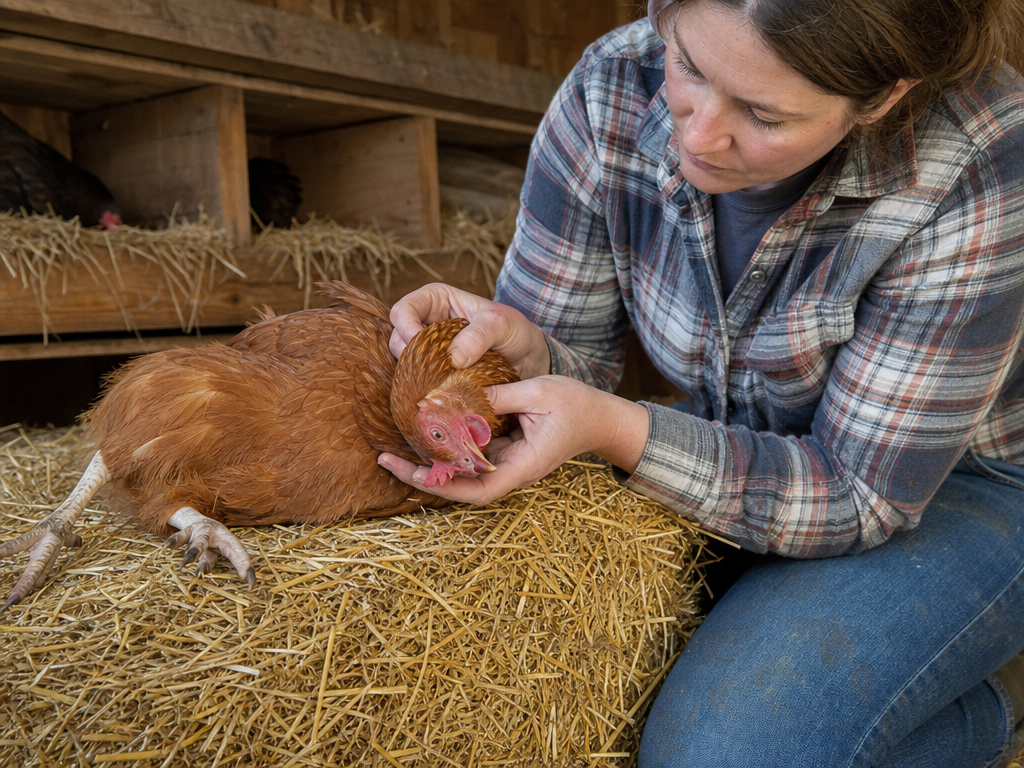
Newcastle Disease with neurological signs is a reportable emergency. Call your state veterinarian before treating. For mild lentogenic infection, vaccinate and support with electrolytes.
Natural interventions have no role in treating confirmed Newcastle Disease. During recovery from mild lentogenic infection, supportive care helps affected birds regain strength.
Electrolyte supplementation: Add Sav-A-Chick or Pedialyte to drinking water for birds showing lethargy or diarrhea. Maintaining hydration supports immune function and recovery.
Vitamin E and selenium supplementation: Both have roles in neurological recovery and immune function. Add a poultry-specific vitamin supplement to water for 2-3 weeks after respiratory signs resolve.
Supportive warmth: Keep recovering birds in a warm, draft-free environment. Temperature stress compounds NDV-related immune suppression and worsens neurological signs.
🛡️How Can Newcastle Disease in Chickens Be Prevented?
- Vaccinate against Newcastle Disease with a La Sota or B1 strain vaccine at 1-2 weeks of age (eye drop or water), boost at 4-6 weeks, and revaccinate every 6-12 months based on risk. Vaccination is the single most important preventive measure.
- Practice strict biosecurity. Dedicate boots and clothing to poultry areas. Visitors from other farms are the most common source of introduction after wild bird contact.
- Minimize contact with wild birds. Net overhead runs, reduce standing water that attracts waterfowl, and do not feed wild birds near poultry areas.
- Quarantine all new birds for 30 days before flock integration. NDV can be shed by clinically normal vaccinated carriers during incubation.
- Know your reporting obligation. In the US, velogenic NDV is a federal and state listed disease. Suspicion alone -- not laboratory confirmation -- triggers the mandatory reporting requirement.
📞When Should I Call a Vet for Newcastle Disease in Chickens?
This is a regulatory emergency, not just a veterinary call, if velogenic NDV is suspected:
- Call your state veterinarian or USDA APHIS immediately if you observe rapid flock spread with both respiratory and neurological signs, or if mortality exceeds 5% within 24-48 hours of onset.
- Do not move birds, sell eggs, or allow visitors to your property while waiting for laboratory confirmation. Movement bans are mandatory under federal law once a report is made.
- Contact a local poultry veterinarian for mild respiratory-only Newcastle presentations to confirm vaccination status, identify lentogenic vs. reportable strains, and develop a prevention plan.
❓Newcastle Disease in Chickens: Frequently Asked Questions
What are the symptoms of Newcastle Disease in chickens?
Symptoms include sudden respiratory distress (gasping, coughing, rattling), neurological signs (twisted neck, paralysis, circling), greenish watery diarrhea, facial swelling, and a sharp drop in egg production. Velogenic strains cause flock-wide mortality within days.
Is Newcastle Disease reportable?
Yes. Velogenic (virulent) Newcastle Disease is a federally reportable disease in the United States, the European Union, and most other countries. Suspicion alone triggers mandatory reporting to the state veterinarian or USDA APHIS. Failure to report is a federal violation.
Can Newcastle Disease spread to humans?
Mild conjunctivitis and flu-like symptoms have been reported in humans who handle infected birds without eye protection. Newcastle Disease does not spread from person to person and does not pose a significant public health risk. Wear eye protection when handling suspected NDV-positive birds.
How is Newcastle Disease prevented?
Vaccination with a lentogenic strain vaccine (La Sota or B1) is the primary prevention. Strict biosecurity (dedicated clothing, footbaths, quarantine of new birds), minimizing wild bird contact, and not commingling birds from different sources all reduce introduction risk.
What is the difference between Newcastle Disease and Infectious Bronchitis?
Both cause respiratory signs and egg production drops, but Newcastle Disease additionally causes neurological signs (torticollis, paralysis) and has much higher mortality in virulent forms. Infectious Bronchitis does not cause neurological signs. Both require laboratory confirmation to distinguish definitively.
Is there a cure for Newcastle Disease?
There is no antiviral treatment for Newcastle Disease. Lentogenic cases are managed with supportive care. Velogenic outbreaks managed under federal authority involve depopulation of affected premises. Vaccination before exposure is the only effective intervention.
📋Key Points
- ✓Newcastle Disease is caused by Newcastle Disease Virus (NDV), classified by pathogenicity into three groups that produce very different clinical pictures.
- ✓Key symptoms: sudden onset of respiratory distress (coughing, gasping, rattling), neurological signs: twisted neck (torticollis), circling, paralysis, greenish or white watery diarrhea, sudden flock-wide drop in egg production (50-100%).
- ✓Lentogenic strains: good, low mortality with supportive care. Velogenic strains: poor to grave, mortality 50-100% without intervention. Birds with severe neurological signs rarely recover full function even if they survive the acute phase.
- ✓This condition is contagious, isolate affected birds promptly.
- ✓This condition is zoonotic and can potentially affect humans. Practice thorough hygiene when handling sick birds.
🔗Related
Related Conditions