Avian Influenza in Chickens: Symptoms, Reportability and What to Do
Avian influenza (AI) is caused by influenza A viruses and ranges from mild respiratory illness (LPAI) to sudden mass mortality (HPAI). Highly pathogenic avian influenza (HPAI) is a federally reportable disease in the United States. If you suspect HPAI, do not move birds or equipment, and call USDA APHIS immediately at 1-866-536-7593.
Veterinarian Reviewed
FlockVet Veterinary Editorial Team· Reviewed August 2026
This is a veterinary emergency.
If your bird is showing these signs, contact a veterinarian immediately. Do not wait. Time-sensitive conditions can deteriorate rapidly without professional intervention.
At a Glance
- Urgency
- Emergency
- Contagious
- Yes
- Affects Humans
- Yes, zoonotic
- Key Symptoms
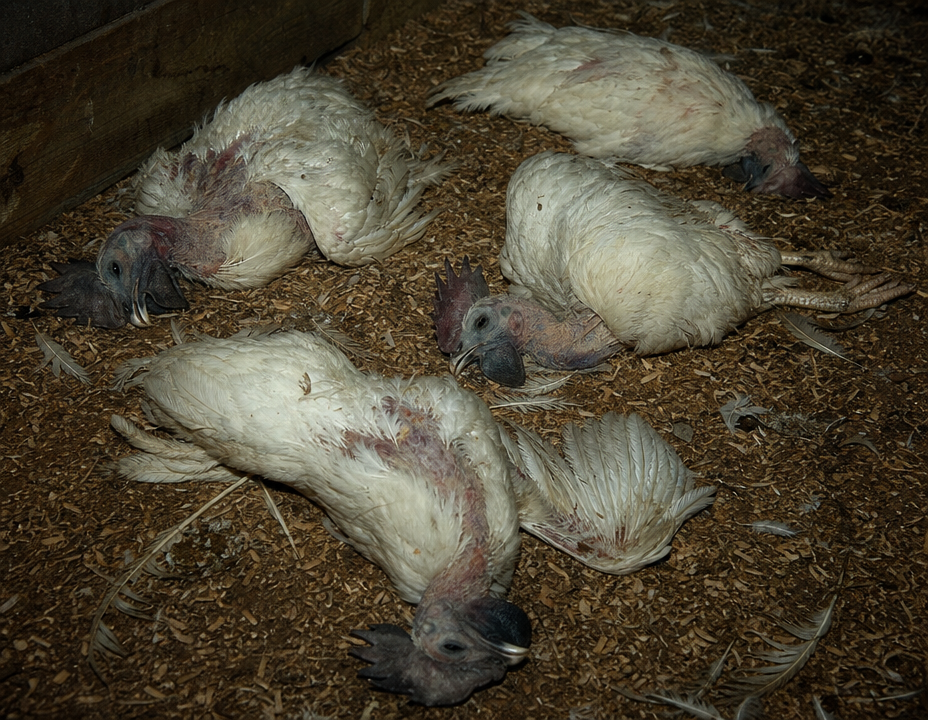
- hpai: sudden death with no prior signs in otherwise healthy birds, severe respiratory distress, gasping, cyanotic (purple-blue) combs and wattles, neurological signs including loss of balance, twisting of head and neck (torticollis)
- Prognosis
- HPAI: near 100% flock mortality within 48-72 hours of clinical onset. No farm-level treatment can alter this outcome. LPAI: prognosis is generally good with regulatory management. Mortality is low (1-5%) and most birds recover with supportive care.
📑 On This Pagetap to expand
🔍What Are the Symptoms of Avian Influenza?
- ●HPAI: Sudden death with no prior signs in otherwise healthy birds
- ●Severe respiratory distress, gasping, cyanotic (purple-blue) combs and wattles
- ●Neurological signs including loss of balance, twisting of head and neck (torticollis)
- ●Massive egg production drop or complete cessation
- ●Facial and leg edema, hemorrhages under the skin
- ●LPAI: Mild respiratory signs, slight egg production drop, increased mortality
- ●Watery green diarrhea in some affected birds
- ●Flock-wide lethargy and depression
🧬What Causes Avian Influenza in Chickens?
Avian influenza is caused by type A influenza viruses classified by their surface proteins (H and N subtypes) and their pathogenicity in chickens (HPAI vs. LPAI).
- HPAI (Highly Pathogenic): H5 and H7 subtypes that mutate to highly pathogenic form. HPAI H5N1 has caused mass die-offs in wild birds and commercial flocks across North America since 2021-2022. Mortality in affected flocks approaches 100% within 48-72 hours.
- LPAI (Low Pathogenic): Most H subtypes cause mild illness with low mortality. LPAI H5 and H7 strains can mutate to HPAI form after circulation, which is why all H5/H7 strains are reportable in the US regardless of pathogenicity.
- Wild bird reservoir: Migratory waterfowl (ducks, geese, shorebirds) carry AI viruses with few or no symptoms and shed virus in feces and respiratory secretions. Backyard flocks with outdoor access are at highest risk during migration seasons (spring and fall).
- Fomite spread: Contaminated boots, clothing, vehicles, equipment, feed bags, and wild bird feces on water sources all transmit AI virus between premises.
🔬How Is Avian Influenza Diagnosed?
Do not attempt to diagnose HPAI yourself. If you observe sudden unexplained mass mortality or severe neurological signs in multiple birds, treat it as a potential HPAI emergency.
- Field signs of HPAI: Multiple birds found dead without prior illness. Survivors show neurological signs, facial swelling, and respiratory distress. Rapid progression from first death to widespread mortality within 24-48 hours.
- Reportable threshold: In the US, any suspected H5 or H7 influenza infection is reportable regardless of pathotype. HPAI is a federally notifiable foreign animal disease.
- Lab testing: Conducted by USDA APHIS National Veterinary Services Laboratories (NVSL) or state diagnostic labs. RT-PCR on swabs or tissues confirms AI and identifies the subtype.
- Do not move birds or equipment if you suspect HPAI. Movement restrictions are critical to prevent spread to other premises.
💊How Is Avian Influenza Treated?
There is no approved antiviral treatment for avian influenza in poultry. HPAI requires a regulatory response, not a farm-level treatment decision.
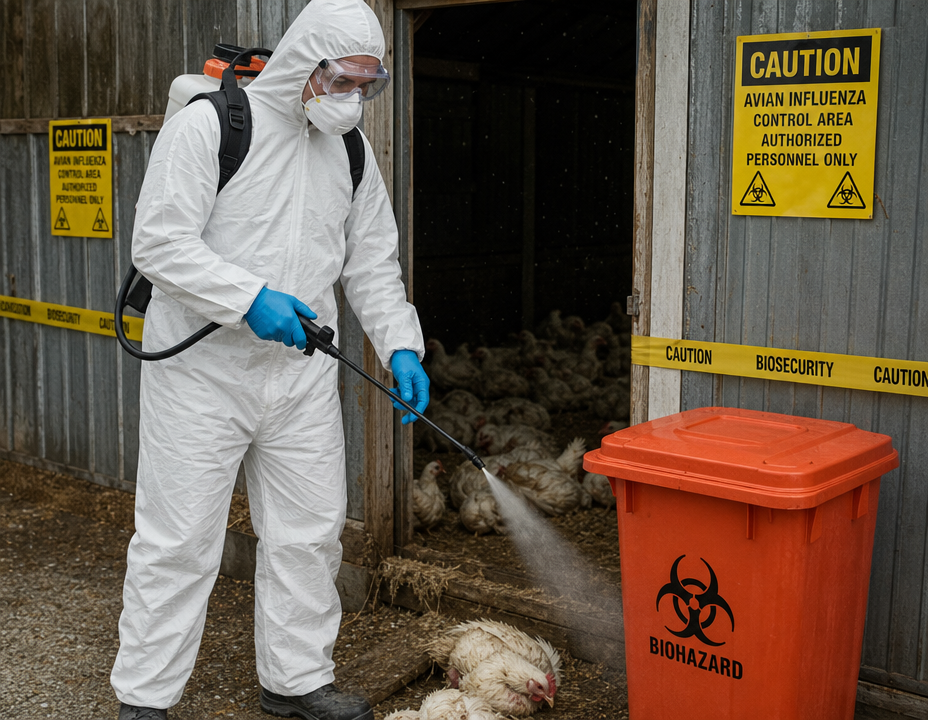
HPAI response protocol: Call USDA APHIS at 1-866-536-7593 or your state veterinarian immediately. Federal and state officials will guide the response, which typically includes quarantine of the affected premises, depopulation of infected flocks, and indemnity payment to producers.
LPAI management: LPAI outbreaks may be managed with enhanced biosecurity, movement restrictions, and in some cases vaccination under USDA permit. Your state veterinarian will coordinate the response.
Antiviral drugs: Oseltamivir (Tamiflu) and other neuraminidase inhibitors are not approved for use in poultry and are not part of the regulatory response protocol.
Natural & Integrative Care for Avian Influenza
HPAI is a regulatory emergency; call USDA APHIS immediately and do not attempt treatment. LPAI is managed under state veterinarian guidance with biosecurity measures.
There are no natural treatments for avian influenza. HPAI is a regulatory emergency, not a condition amenable to farm-level management. Do not attempt to treat suspected HPAI birds. Call USDA APHIS immediately.
For LPAI birds managed under state veterinarian guidance, supportive care (electrolytes, vitamins, reduced stocking density) may reduce secondary losses while the outbreak resolves under enhanced biosecurity.
🛡️How Can Avian Influenza Be Prevented?
- Practice rigorous biosecurity year-round, with enhanced protocols during waterfowl migration seasons (spring and fall). Migratory birds are the primary wild reservoir.
- Keep chickens housed or screened from contact with wild birds and their feces. Wild bird feces on water sources are a major transmission route.
- Disinfect boots and equipment at every entry to the poultry area. Use foot baths with virucidal disinfectant (iodine-based or quaternary ammonium).
- Do not share equipment, vehicles, or clothing between poultry premises without full disinfection.
- Report sick or dead wild birds near your flock to your state wildlife agency. Unusual wild bird mortality near backyard flocks in spring/fall is an HPAI warning sign.
- Know the emergency contact: USDA APHIS emergency line 1-866-536-7593.
📞When Should I Call a Vet for Avian Influenza?
This is not a wait-and-see situation. Call immediately if:
- Multiple birds die suddenly with no prior signs. This is the classic HPAI presentation and a federal emergency.
- You see neurological signs (head twisting, circling, inability to stand) combined with respiratory distress and blue combs.
- Dead wild birds (especially waterfowl) are found near your flock during spring or fall migration.
USDA APHIS emergency hotline: 1-866-536-7593. Your state veterinarian is also a first contact.
❓Avian Influenza: Frequently Asked Questions
What is avian influenza in chickens?
Avian influenza is caused by type A influenza viruses. LPAI causes mild respiratory illness. HPAI (especially H5N1) causes sudden mass mortality approaching 100% within 48-72 hours. HPAI is a federally reportable emergency in the US. Call USDA APHIS at 1-866-536-7593 if suspected.
Can humans get avian influenza from chickens?
Human infection with avian influenza is rare but possible, especially with HPAI H5N1. Most human cases follow direct, prolonged contact with infected live or dead birds. The risk to backyard flock keepers is extremely low with normal hygiene. There is no evidence of sustained human-to-human transmission.
How does avian influenza spread to backyard flocks?
The primary source is migratory waterfowl that shed virus in feces and respiratory secretions. Backyard flocks with outdoor access are at highest risk during spring and fall migration. Secondary spread occurs via contaminated boots, clothing, equipment, and vehicles from other poultry facilities.
What should I do if I suspect avian influenza in my flock?
Do not move birds, equipment, or any materials from your premises. Call USDA APHIS immediately at 1-866-536-7593 or your state veterinarian. Do not attempt to treat birds or conduct a necropsy without guidance. Movement of infected birds or materials can spread HPAI to neighboring farms.
Is there a vaccine for avian influenza in chickens?
Vaccines for AI exist and are used in some commercial operations under USDA permit as part of regulatory control programs. Vaccination is not routinely available for backyard flocks. Prevention through biosecurity and minimizing wild bird contact remains the primary strategy for small flock keepers.
📋Key Points
- ✓Avian influenza is caused by type A influenza viruses classified by their surface proteins (H and N subtypes) and their pathogenicity in chickens (HPAI vs.
- ✓Key symptoms: hpai: sudden death with no prior signs in otherwise healthy birds, severe respiratory distress, gasping, cyanotic (purple-blue) combs and wattles, neurological signs including loss of balance, twisting of head and neck (torticollis), massive egg production drop or complete cessation.
- ✓HPAI: near 100% flock mortality within 48-72 hours of clinical onset. No farm-level treatment can alter this outcome. LPAI: prognosis is generally good with regulatory management. Mortality is low (1-5%) and most birds recover with supportive care.
- ✓This condition is contagious, isolate affected birds promptly.
- ✓This condition is zoonotic and can potentially affect humans. Practice thorough hygiene when handling sick birds.
🔗Related
Related Conditions
📚Sources & References
- 1.Avian Influenza in Poultry. USDA APHIS. 2024
- 2.Highly Pathogenic Avian Influenza. Merck Veterinary Manual. 2024
- 3.Avian Influenza and You. CDC. 2024