Vent Gleet in Chickens: Symptoms, Causes and Treatment
Vent Gleet is chronic cloacal dysbiosis - a persistent imbalance of the microbial environment in the cloaca and vent area. It presents as foul-smelling discharge, pasty feathers around the vent, and progressive weight loss. Most online resources treat it as a hygiene problem. It isn't. It's a systemic imbalance that requires addressing the root cause.
Veterinarian Reviewed
FlockVet Veterinary Editorial Team· Reviewed January 2026
At a Glance
- Urgency
- Moderate
- Contagious
- No
- Affects Humans
- No
- Key Symptoms
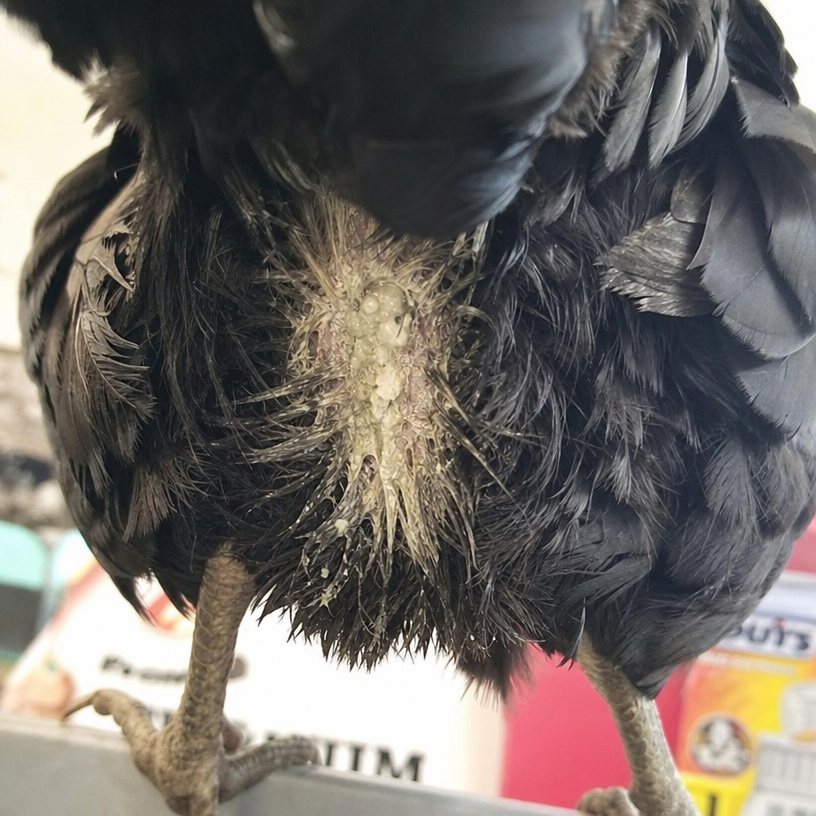
- foul-smelling yellowish or whitish discharge from the vent, matted, pasty feathers around the vent, redness and inflammation of the vent tissue
- Prognosis
- Excellent with proper treatment. Most birds fully recover within 3-4 weeks. Recurrence is common when root cause (diet, antibiotic use) is not addressed. Birds with underlying reproductive disease (internal laying) have a more guarded prognosis.
📑 On This Pagetap to expand
🔍What Are the Symptoms of Vent Gleet?
- ●Foul-smelling yellowish or whitish discharge from the vent
- ●Matted, pasty feathers around the vent
- ●Redness and inflammation of the vent tissue
- ●Weight loss despite normal appetite
- ●Lethargy in moderate to severe cases
- ●Reduced egg production
- ●Feather loss around the vent from self-preening
- ●Other birds pecking at the affected bird
🧬What Causes Vent Gleet in Chickens?
Vent Gleet is not caused by poor hygiene - it's caused by disruption of the cloacal microbiome. The cloaca is a shared chamber for the reproductive, urinary, and digestive systems. When its microbial balance is disrupted, opportunistic organisms (primarily Candida albicans fungal species, and sometimes E. coli or Clostridium) overgrow and produce the characteristic discharge and odor.
Primary triggers include:
- Antibiotic use - the most common cause. Antibiotics wipe out beneficial bacteria, creating a vacuum that Candida fills rapidly.
- High-sugar or high-carbohydrate diet - scratch grains, bread, fruit, and cracked corn feed yeast overgrowth directly.
- Nutritional deficiency - vitamin A deficiency specifically weakens mucosal tissue integrity throughout the digestive and reproductive tracts.
- Chronic stress - flock integration stress, predator pressure, or environmental change suppresses immune function.
- Underlying reproductive issues - internal laying or peritonitis can trigger secondary cloacal dysbiosis.
- Contaminated water - standing water sources with algae or bacterial overgrowth.
🔬How Is Vent Gleet Diagnosed?
Diagnosis is primarily clinical - based on the characteristic foul odor, vent appearance, and discharge. A vet can confirm fungal vs. bacterial involvement with a cloacal swab and culture, which matters for treatment selection. In practice, most cases are fungal-dominant and respond to the antifungal-first protocol below.
Differentials to rule out:
- Egg binding - straining without discharge, distended abdomen
- Prolapsed vent - visible protruding tissue, no discharge odor
- Cloacitis from external parasites - check for mites at the vent
- Peritonitis - penguin posture, very distended abdomen, lethargy
💊How Is Vent Gleet Treated?
Antifungal treatment (first-line if fungal suspected):
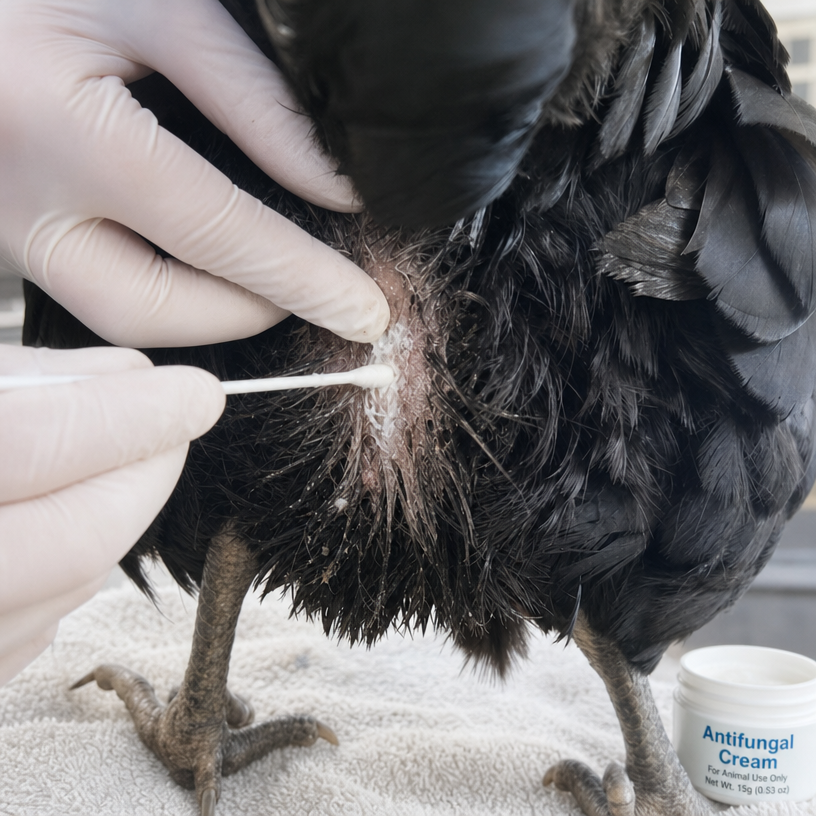
- Miconazole or clotrimazole cream (OTC Monistat) applied directly to the vent area twice daily for 7-10 days
- Fluconazole orally (requires vet prescription) for severe or systemic cases: 5-10mg/kg once daily for 7-14 days
- Nystatin in water for confirmed GI candidiasis
Antibiotic treatment (only if bacterial culture confirms bacterial involvement):
- Metronidazole 25mg/kg twice daily for 5-7 days
- Amoxicillin 125mg/kg in water for 5-7 days
- Note: Do not use antibiotics empirically for Vent Gleet - it often worsens fungal cases
Important: Treating the vent externally without addressing the internal dysbiosis will result in recurrence. Most keepers who "can't get rid of Vent Gleet" are treating the symptom, not the cause.
Natural & Integrative Care for Vent Gleet
Vent Gleet is a dysbiosis condition - the natural care approach (ACV, oregano, probiotics, diet correction) addresses the actual root cause better than antibiotics, which often worsen it.
Vent Gleet is one of the conditions that responds best to integrative and natural care - primarily because the root cause (dysbiosis) is directly addressable without pharmaceuticals in most mild to moderate cases.
Step 1: Clean and assess
Soak the affected bird's vent in warm water for 10-15 minutes. Gently remove matted discharge. This is not a cure - it's assessment. Note the color, smell, and extent of inflammation.
Step 2: Raw apple cider vinegar (ACV)
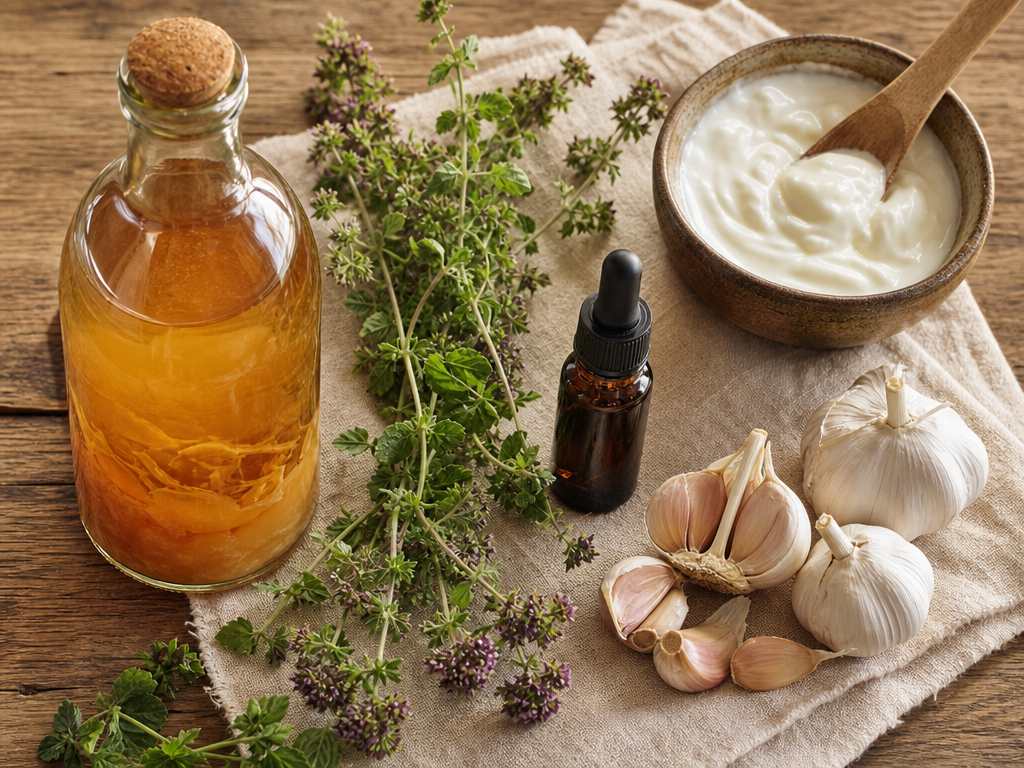
1 tablespoon per gallon of drinking water, daily. ACV acidifies the gut environment, making it hostile to Candida overgrowth. Use raw, unfiltered ACV with the mother (Bragg's is the standard). Do not use in metal waterers - it corrodes them.
Step 3: Oregano oil
2-3 drops of food-grade oregano oil per gallon of water, 3-5 times per week. Oregano contains carvacrol and thymol - both clinically demonstrated antifungal and antibacterial compounds. Research from the Journal of Applied Microbiology has confirmed oregano oil's efficacy against Candida species at concentrations achievable through dietary supplementation.
Step 4: Probiotics
Plain yogurt with live cultures (1 teaspoon per bird per day) or a poultry-specific probiotic supplement. The goal is to repopulate beneficial bacteria. This is the single most important long-term intervention.
Step 5: Diet correction
Eliminate immediately: scratch grains, bread, crackers, fruit, cracked corn, and any high-sugar treats. These directly feed yeast. Replace with high-quality layer pellets, leafy greens, and fermented feed.
Step 6: Topical - raw honey or coconut oil
Apply raw manuka honey or coconut oil to the vent area after cleaning. Both have antifungal properties and support tissue healing. Reapply daily.
Timeline: Most cases showing integrative care response will improve visibly within 7-10 days. Full resolution typically takes 3-4 weeks. If no improvement within 14 days, pursue antifungal medication.
🛡️How Can Vent Gleet Be Prevented?
The most effective prevention is maintaining a healthy cloacal microbiome year-round:
- ACV in water 2-3 times per week as routine maintenance
- Probiotic supplementation after any antibiotic course - start probiotics within 24 hours of finishing antibiotics and continue for at least 2 weeks
- Limit scratch grains to less than 10% of total diet
- Vitamin A-rich foods regularly: leafy greens, squash, sweet potato
- Clean, fresh water changed daily - no standing water
- Manage flock stress: stable pecking order, adequate space, consistent schedule
📞When Should I Call a Vet for Vent Gleet?
Call a vet if:
- Bird is losing significant weight (more than 10% body weight)
- Discharge becomes bloody
- Bird is lethargic and not eating
- Abdomen appears distended (possible internal laying or peritonitis)
- No improvement after 14 days of integrative treatment
- Vent tissue appears necrotic or severely ulcerated
❓Vent Gleet: Frequently Asked Questions
Is Vent Gleet contagious to other chickens?
Vent Gleet itself is not directly contagious - it's an internal dysbiosis, not an infectious disease. However, other birds pecking at the affected bird's vent can injure the tissue and cause secondary infections. Isolate the affected bird if she is being pecked.
Can I use Monistat (miconazole) on my chicken?
Yes. OTC miconazole (Monistat 7) is commonly used by poultry keepers for Vent Gleet and is generally considered safe. Apply a small amount to the vent area twice daily. It is not FDA-approved for poultry use, but it is widely used and not known to cause harm at topical doses.
My chicken has had Vent Gleet for months and nothing works. Why?
Chronic Vent Gleet that doesn't respond to treatment almost always has an underlying cause that hasn't been addressed: (1) Diet high in sugar/carbs feeding the yeast, (2) Continuing antibiotic use, (3) Underlying reproductive disease (internal laying, salpingitis), or (4) Treating only the vent topically without addressing the gut dysbiosis. Address the diet and add probiotics - this is the missing step in most failed treatment attempts.
How long does Vent Gleet take to clear up?
With proper treatment addressing the root cause: visible improvement in 7-10 days, full resolution in 3-4 weeks. External-only treatment without dietary and probiotic intervention typically results in temporary improvement followed by recurrence.
Should I separate my hen with Vent Gleet from the rest of the flock?
Only if she is being pecked by flock mates - which happens because the discharge odor attracts attention and the vent area may appear red and inflamed. If the flock is leaving her alone, separation is not necessary as the condition is not contagious.
Can roosters get Vent Gleet?
Yes, though it is far less common in roosters. The presentation is similar - foul-smelling discharge and vent inflammation. Treatment is the same: ACV, probiotics, diet correction, and antifungal if needed.
📋Key Points
- ✓Vent Gleet is not caused by poor hygiene - it's caused by disruption of the cloacal microbiome.
- ✓Key symptoms: foul-smelling yellowish or whitish discharge from the vent, matted, pasty feathers around the vent, redness and inflammation of the vent tissue, weight loss despite normal appetite.
- ✓Excellent with proper treatment. Most birds fully recover within 3-4 weeks. Recurrence is common when root cause (diet, antibiotic use) is not addressed. Birds with underlying reproductive disease (internal laying) have a more guarded prognosis.
🔗Related
Related Conditions
Medications
Natural Remedies & Supplements
📚Sources & References
- 1.Common Management-Related Problems in Backyard Poultry. Merck Veterinary Manual. 2024
- 2.Pozzatti P, Scheid LA, Spader TB, et al.. Antimicrobial activity of Origanum vulgare essential oil against Candida albicans. Brazilian Journal of Microbiology. 2010
- 3.Davies G.. Common ailments of pet hens. Veterinary Nursing Journal. 2016
- 4.Management of Backyard Poultry. Merck Veterinary Manual. 2024
- 5.Poultry Programs - UC Davis School of Veterinary Medicine. UC Davis Veterinary Medicine Extension. 2024