Soft Shell Eggs in Chickens: Causes and Treatment
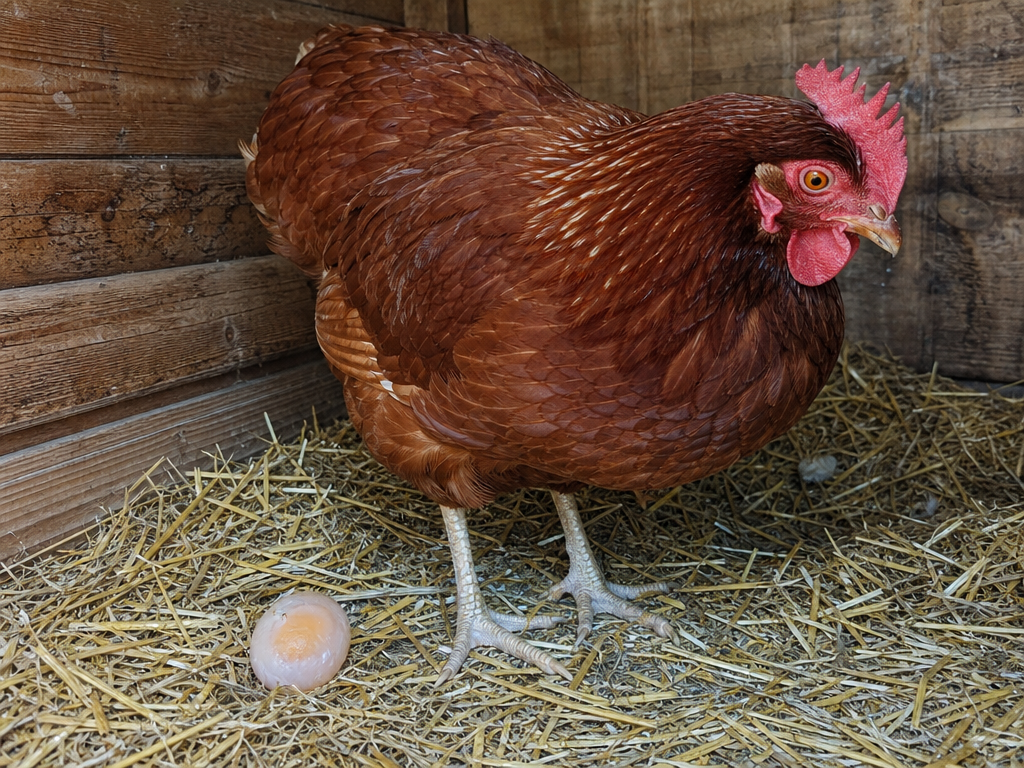
Soft shell or shell-less eggs occur when the oviduct cannot deposit sufficient calcium carbonate around the developing egg. The most common cause is calcium deficiency or poor calcium-to-vitamin D ratio in the diet. Infectious causes including Infectious Bronchitis and Newcastle Disease also damage the shell gland and produce characteristic abnormal shells.
Veterinarian Reviewed
FlockVet Editorial Team· Reviewed August 2026
At a Glance
- Urgency
- Moderate
- Contagious
- No
- Affects Humans
- No
- Key Symptoms
- eggs with rubbery, thin, or membranous shells, completely shell-less eggs (only membrane present), eggs broken inside or outside the coop
- Prognosis
- Excellent for nutritional and stress-related causes with dietary correction. Good for pullet immaturity cases (self-resolves). Variable for IBV (shell quality may remain reduced). Poor for advanced salpingitis or reproductive tumors.
📑 On This Pagetap to expand
🔍What Are the Symptoms of Soft Shell Eggs in Chickens?
- ●Eggs with rubbery, thin, or membranous shells
- ●Completely shell-less eggs (only membrane present)
- ●Eggs broken inside or outside the coop
- ●Pitted, rough, or wrinkled egg shells
- ●Pale or chalky shell color
- ●Decline in overall laying rate alongside shell abnormalities
- ●Multiple hens affected simultaneously (if infectious)
- ●Single hen repeatedly producing soft eggs (nutritional or individual disorder)
- ●Hen straining or appearing uncomfortable before laying
- ●Egg eating by hens after finding broken soft eggs
🧬What Causes Soft Shell Eggs in Chickens in Chickens?
Soft shell eggs result from failure of the shell gland (uterus) to deposit adequate calcium carbonate during the 20-hour shell formation process. Diet is the most common cause but disease must be ruled out when multiple birds are affected.
- Calcium deficiency: Laying hens require 4 grams of calcium per day for proper shell formation. Hens fed scratch grain, unfortified mixed feed, or a diet diluted with excessive treats will consistently produce thin or soft shells.
- Vitamin D3 deficiency: Vitamin D3 is essential for intestinal calcium absorption. Hens kept indoors without UV light access or adequate D3 supplementation may eat enough calcium but absorb too little for shell formation.
- Pullet immaturity: Young hens (17-20 weeks) sometimes produce soft or thin-shelled eggs as the reproductive tract matures. This typically self-corrects within 2-4 weeks of regular laying.
- Infectious Bronchitis: IBV specifically infects the shell gland mucosa, causing characteristic rough, wrinkled, or misshapen shells. Soft and shell-less eggs accompany respiratory signs and flock-wide production drops.
- Newcastle Disease: Viscerotropic strains disrupt shell gland function. Sudden flock-wide production of abnormal shells with other Newcastle signs is a reportable emergency.
- Stress: Heat stress, fright, transport, or a change in environment can interrupt normal shell deposition mid-formation, resulting in a single soft egg episode that resolves when the stressor is removed.
- Advancing age: Older hens (4+ years) have declining shell gland efficiency and naturally produce more thin-shelled eggs over time regardless of diet.
🔬How Is Soft Shell Eggs in Chickens Diagnosed?
Distinguish nutritional from infectious causes by assessing how many birds are affected and whether other signs are present:
- Single hen, recurrent soft eggs: Nutritional deficiency, shell gland infection (salpingitis), or individual oviduct disorder. Check diet and offer free-choice oyster shell.
- Multiple hens, sudden onset alongside respiratory signs: Infectious Bronchitis or Newcastle Disease. Requires laboratory PCR confirmation.
- Pullets 17-22 weeks old: Immature shell gland. Monitor; most self-correct without intervention.
- Older flock with gradual shell quality decline: Age-related shell gland senescence. Optimize calcium and D3 intake to slow progression.
- Shell quality testing: Measure shell thickness with a micrometer (normal 0.33-0.36 mm). Consistent readings below 0.30 mm confirm a production-level calcium or D3 problem.
💊How Is Soft Shell Eggs in Chickens Treated?
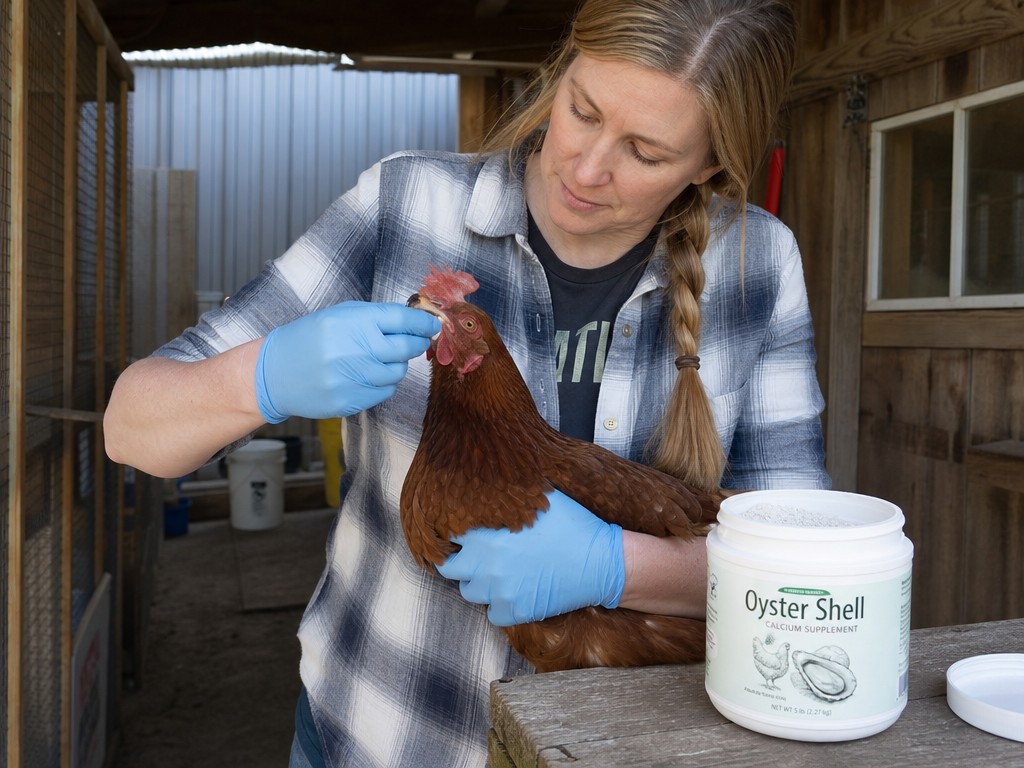
Calcium correction: Offer crushed oyster shell free-choice at all times. Most hens self-regulate intake to meet their daily need of 4 g of calcium. Improvement in shell quality is visible within 7-14 days.
Vitamin D3 supplementation: Add a poultry-specific vitamin-mineral supplement containing D3 to drinking water for 2 weeks. Ensure hens have at least 6 hours of direct or UV-filtered sunlight daily.
Feed review: Switch the primary diet to a commercial layer pellet with 3.5-4.5% calcium and 16-18% protein. Reduce scratch and treats to under 10% of total daily intake.
Infectious causes: No specific treatment for IBV; supportive care and vaccination of unaffected birds. Newcastle requires immediate regulatory reporting. Salpingitis may respond to antibiotics (amoxicillin, enrofloxacin) under veterinary prescription.
Natural & Integrative Care for Soft Shell Eggs in Chickens
Oyster shell offered free-choice resolves the majority of nutritional soft-shell cases within 2 weeks. Add sunlight access to ensure adequate D3 activation for calcium absorption.
Natural approaches are highly effective for the most common cause (dietary calcium deficiency) and support shell gland recovery after disease.
Dried crushed eggshell: Bake and crush your own eggshells as a free-choice calcium supplement. Each eggshell contains approximately 2 g of calcium carbonate and is readily absorbed.
Agricultural limestone (calcium carbonate): Coarse-ground limestone offered free-choice is a cost-effective calcium source that produces measurable shell improvement within 5-7 days.
Sunlight access: Ensure hens have at least 30-60 minutes of outdoor UV exposure daily. Natural UV light converts skin precursors to active vitamin D3, which dramatically improves calcium absorption.
Fermented feed: Fermenting layer pellets increases bioavailability of calcium and phosphorus through reduced phytate content. Use a basic lacto-fermentation (water and feed, 2-3 days) and offer as a daily mash.
🛡️How Can Soft Shell Eggs in Chickens Be Prevented?
- Offer crushed oyster shell or coarse calcium carbonate free-choice starting at 16 weeks of age and maintain it continuously throughout the hen's laying life.
- Feed a complete commercial layer pellet (3.5-4.5% calcium) as the primary diet. Scratch, corn, and mixed grains dilute calcium intake and should remain under 10% of total feed.
- Vaccinate for Infectious Bronchitis with a Massachusetts-strain live vaccine at chick stage and boost as recommended. IBV is the most common infectious cause of shell quality problems.
- Provide 6+ hours of outdoor access daily during daylight months for natural vitamin D3 synthesis.
- During winter months when sunlight is limited, supplement drinking water with a poultry vitamin containing D3 for 2 weeks every 6-8 weeks.
📞When Should I Call a Vet for Soft Shell Eggs in Chickens?
Contact a veterinarian or state poultry lab if:
- Multiple hens produce soft or abnormal shells simultaneously, especially alongside sneezing, rattling, or nasal discharge. This pattern strongly suggests Infectious Bronchitis or Newcastle Disease requiring laboratory confirmation.
- A hen repeatedly produces soft eggs and appears uncomfortable, straining, or lethargic. Internal shell deposition or salpingitis can cause egg binding and is a veterinary emergency.
- Shell quality does not improve after 3-4 weeks of free-choice calcium and dietary correction. Further investigation for shell gland pathology is warranted.
❓Soft Shell Eggs in Chickens: Frequently Asked Questions
Why is my chicken laying soft shell eggs?
The most common cause is calcium deficiency. Hens need 4 grams of calcium daily for shell formation. Offer crushed oyster shell free-choice alongside a complete layer pellet. If multiple birds are affected alongside respiratory signs, consider Infectious Bronchitis.
How do I fix soft shell eggs in my chickens?
Start by adding free-choice oyster shell and switching to a commercial layer pellet if the hens are on a mixed grain diet. Most nutritional cases improve visibly within 7-14 days. Also ensure hens have outdoor sunlight or a vitamin D3 supplement.
Is it normal for a chicken to occasionally lay a soft egg?
A single soft egg after a stressful event (fright, heat, transport) is normal and does not require treatment. Recurring soft shells in the same hen, or soft shells from multiple birds, indicate a nutritional or infectious problem that needs attention.
Can soft shell eggs make a chicken sick?
Soft eggs can break inside the oviduct, causing egg peritonitis or yolk salpingitis, both of which are serious. A hen that is straining to lay, is lethargic, or has a distended abdomen after a known soft egg episode needs immediate veterinary evaluation.
What disease causes soft eggs in chickens?
Infectious Bronchitis Virus (IBV) is the most common disease cause, producing characteristic rough, wrinkled, or shell-less eggs alongside respiratory signs. Newcastle Disease can also affect shell gland function. Both require veterinary diagnosis.
Do older chickens lay softer eggs?
Yes. Shell gland efficiency declines with age, and hens over 4 years old naturally produce more thin-shelled eggs. Optimizing calcium and D3 intake slows this decline but cannot reverse age-related shell gland senescence.
📋Key Points
- ✓Soft shell eggs result from failure of the shell gland (uterus) to deposit adequate calcium carbonate during the 20-hour shell formation process.
- ✓Key symptoms: eggs with rubbery, thin, or membranous shells, completely shell-less eggs (only membrane present), eggs broken inside or outside the coop, pitted, rough, or wrinkled egg shells.
- ✓Excellent for nutritional and stress-related causes with dietary correction. Good for pullet immaturity cases (self-resolves). Variable for IBV (shell quality may remain reduced). Poor for advanced salpingitis or reproductive tumors.
🔗Related
Related Conditions