Sinusitis in Chickens: Symptoms, Causes and Treatment
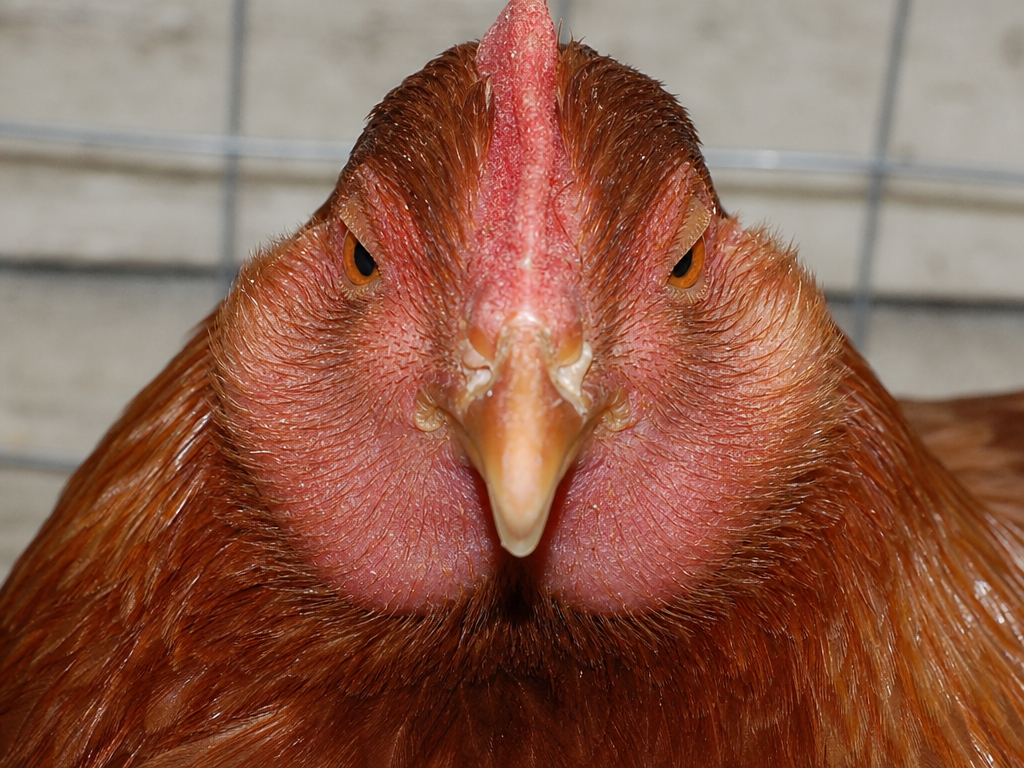
Sinusitis in chickens is an infection of the infraorbital sinus, the large air-filled cavity located below and slightly in front of each eye. The most common cause is Mycoplasma gallisepticum (MG), often in combination with secondary bacterial pathogens. It produces visible swelling of the face below the eye, nasal discharge, and rattling breathing. Treatment requires antibiotics targeting Mycoplasma and, in chronic cases, manual removal or flushing of accumulated caseous material.
Veterinarian Reviewed
FlockVet Editorial Team· Reviewed August 2026
At a Glance
- Urgency
- Moderate
- Contagious
- Yes
- Affects Humans
- No
- Key Symptoms
- firm or fluctuant swelling below and around the eye, swelling is typically unilateral initially, may become bilateral, nasal discharge (clear to cloudy)
- Prognosis
- Good for acute cases treated early with antibiotics and drainage. Guarded for chronic caseous sinusitis in MG-positive flocks (repeated treatment cycles likely). Poor prognosis for resolution without sinus drainage in cases with thick caseous contents.
📑 On This Pagetap to expand
🔍What Are the Symptoms of Sinusitis in Chickens?
- ●Firm or fluctuant swelling below and around the eye
- ●Swelling is typically unilateral initially, may become bilateral
- ●Nasal discharge (clear to cloudy)
- ●Rattling or gurgling breathing sounds
- ●Foamy or bubbly eye discharge (Mycoplasma sign)
- ●Sneezing and head shaking
- ●Reduced appetite and lethargy
- ●Reduced egg production
- ●Sinus contents become thick and caseous (cheese-like) in chronic cases
- ●Swelling returns after antibiotic treatment alone without drainage (chronic sinusitis)
🧬What Causes Sinusitis in Chickens in Chickens?
Sinusitis develops when the infraorbital sinus becomes colonized by pathogenic organisms, most commonly through inhalation or extension from the nasal passages.
- Mycoplasma gallisepticum (primary cause): MG is the most common organism initiating poultry sinusitis. It invades sinus epithelium, triggering inflammation and secondary bacterial colonization. Birds become lifelong carriers after infection.
- E. coli (secondary invader): In Chronic Respiratory Disease (CRD), E. coli co-infects with MG, producing more severe and refractory sinusitis than MG alone. CRD sinusitis is harder to treat and more likely to produce caseous accumulation.
- Aspergillus fumigatus: Fungal sinusitis is less common but produces thick caseous plugs that do not respond to antibiotics. Birds inhale fungal spores from moldy litter or feed. More common in immunocompromised or stressed birds.
- Infectious Coryza (Avibacterium paragallinarum): Causes severe rapid-onset sinusitis alongside facial swelling and malodorous nasal discharge. All in-contact birds typically show signs within 48-72 hours.
- Poor ventilation and ammonia: High ammonia levels damage sinus epithelium, making birds more susceptible to opportunistic pathogen invasion. Sinusitis is significantly more common in poorly ventilated coops.
🔬How Is Sinusitis in Chickens Diagnosed?
Infraorbital sinus swelling has a distinctive location that differentiates it from other facial swellings:
- Location: The infraorbital sinus swelling appears as a firm or doughy mass directly below and slightly in front of the eye, following the curve of the cheek. It is NOT the wattle (which hangs below the beak) or the comb.
- Consistency: Early sinusitis produces fluctuant (fluid-filled) swelling. Chronic sinusitis produces firmer, caseous (cottage cheese-like) contents that cannot be drained without aspiration.
- Bilateral vs. unilateral: MG sinusitis often starts unilateral and becomes bilateral over days. Aspergillus tends to be unilateral and more focal.
- Odor: A foul odor from nasal discharge combined with sinusitis is characteristic of Infectious Coryza. MG-related sinusitis does not produce a foul odor.
- Diagnostic aspiration: A veterinarian can aspirate sinus contents with a needle for culture and cytology to identify the causative organism and guide antibiotic selection.
💊How Is Sinusitis in Chickens Treated?
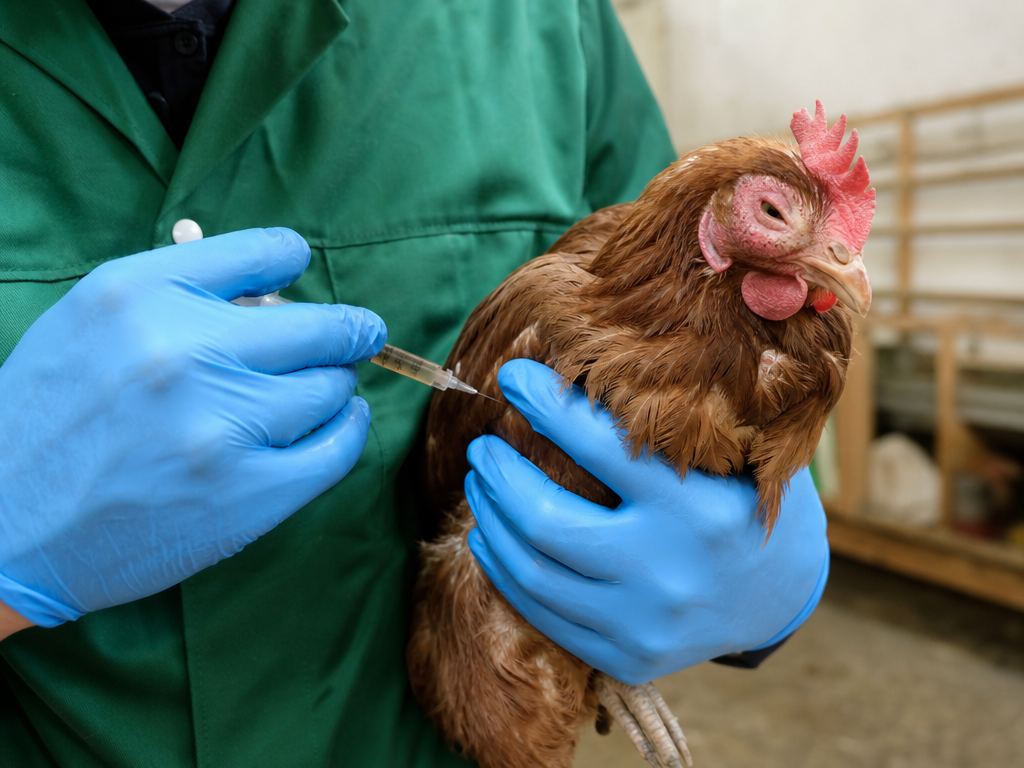
Antibiotic therapy: Tylosin (Tylan Soluble 1 tsp/gallon for 5-7 days) or doxycycline (prescription, 25 mg/kg BID for 7-10 days) for Mycoplasma. Enrofloxacin (Baytril, prescription) for CRD cases with confirmed E. coli co-infection.
Sinus flushing: In cases with caseous (thick, solid) sinus contents, antibiotics alone are insufficient because they cannot penetrate the solid material. A veterinarian performs sinus flushing by inserting a blunt cannula into the sinus through the nostril or an existing natural opening and irrigating with saline to evacuate the contents. This is often curative when combined with antibiotics.
Aspiration of fluid sinusitis: Fluctuant (fluid-filled) sinusitis can be treated by inserting a 20-23 gauge needle through the swelling, aspirating the contents, and injecting dilute antibiotic solution directly into the sinus cavity. This technique is more suitable for acute cases before caseous material develops.
Infectious Coryza: Sulfadimethoxine in water for 5-7 days, or erythromycin in water, targeting the whole flock simultaneously.
Natural & Integrative Care for Sinusitis in Chickens
Antibiotic treatment plus sinus drainage is more effective than antibiotics alone for established caseous sinusitis. Environmental correction prevents relapse. MG-positive flocks carry the infection lifelong.
Natural approaches support respiratory health and reduce recurrence but are not adequate sole treatment for established sinusitis.
Steam inhalation: Place the affected bird in a small enclosed space with a bowl of hot water containing 2-3 drops of eucalyptus or peppermint essential oil for 10-15 minutes. Steam loosens sinus contents and can reduce swelling in early cases. Repeat twice daily.
Saline nasal irrigation: Instill 2-3 drops of sterile saline into each nostril while holding the bird upright. Gentle head tilting helps the solution reach the sinus cavity. This can mobilize early mucus accumulation and provide temporary relief.
Oregano oil in water (2-3 drops per gallon): Carvacrol has documented anti-Mycoplasmal activity. Use as a daily water additive for the flock during active sinusitis as supportive antimicrobial care.
Ventilation correction: Address the environmental trigger. Reduce ammonia, increase air exchange, and lower humidity in the coop. Environmental correction is essential for preventing recurrence even after successful antibiotic treatment.
🛡️How Can Sinusitis in Chickens Be Prevented?
- Maintain coop ventilation adequate to keep ammonia below 10 ppm and relative humidity below 70%. High ammonia is the environmental foundation on which Mycoplasma sinusitis builds.
- Test breeding stock for Mycoplasma gallisepticum before introduction. ELISA serology identifies carrier birds that appear healthy but will transmit infection to the flock and their eggs.
- Vaccinate high-risk flocks with live or killed Mycoplasma gallisepticum vaccine. Commercial vaccination reduces sinusitis incidence and severity in endemic MG-positive flocks.
- Quarantine new birds 30 days and observe specifically for rattling breathing and facial swelling before integration. These signs typically manifest within the quarantine window if the bird is an active shedder.
- Feed a complete ration with adequate vitamin A. Vitamin A is essential for respiratory mucosa integrity and directly resists Mycoplasma adhesion to sinus epithelium.
📞When Should I Call a Vet for Sinusitis in Chickens?
Seek veterinary care if:
- Sinus swelling is firm (caseous contents) and does not reduce after a full antibiotic course. Caseous sinusitis requires physical drainage that cannot be adequately performed at home without instruments.
- The eye on the affected side is displaced, closed, or appears damaged. Chronic sinusitis can compress the eye and cause permanent ocular damage without intervention.
- Multiple birds have sinusitis with a foul-smelling nasal discharge and rapid spread. This pattern requires Infectious Coryza testing and precise antibiotic selection.
❓Sinusitis in Chickens: Frequently Asked Questions
What causes sinusitis in chickens?
The most common cause is Mycoplasma gallisepticum (MG), a bacteria-like organism that infects the respiratory tract including the infraorbital sinuses. Secondary infections with E. coli (CRD), Aspergillus (fungal), and Infectious Coryza also cause sinusitis. Poor ventilation and ammonia make birds more susceptible.
How do I treat sinusitis in chickens at home?
Early fluid-filled sinusitis can be supported with steam inhalation, saline nasal drops, and Tylan (tylosin) in drinking water for 5-7 days. Firm or caseous swelling requires veterinary aspiration or sinus flushing; home treatment alone is inadequate for chronic cases.
What does sinusitis look like in a chicken?
Sinusitis appears as a rounded, soft-to-firm swelling on the face directly below and in front of the eye, following the curve of the cheek. It may be unilateral or bilateral. The swelling is distinctly different from wattle or comb swelling and is often accompanied by nasal discharge and rattling breathing.
Can chicken sinusitis spread to other birds?
Yes. Mycoplasma gallisepticum, the most common cause, is highly contagious through respiratory secretions, contaminated water, and direct contact. Infected birds are lifelong carriers and will spread the infection to any naive bird introduced to the flock.
Does Tylan treat sinusitis in chickens?
Tylan (tylosin) is effective against Mycoplasma gallisepticum, the primary cause of sinusitis, and reduces inflammation and bacterial load. However, it does not eliminate the infection permanently, and birds remain carriers. Caseous sinusitis requires physical drainage in addition to Tylan.
How long does sinusitis last in chickens?
Acute MG sinusitis treated promptly with tylosin improves within 5-7 days but may recur. Chronic caseous sinusitis without drainage can persist for weeks or months and cause permanent facial deformity. Once MG-positive, a flock remains at risk for recurrence during stressful periods.
📋Key Points
- ✓Sinusitis develops when the infraorbital sinus becomes colonized by pathogenic organisms, most commonly through inhalation or extension from the nasal passages.
- ✓Key symptoms: firm or fluctuant swelling below and around the eye, swelling is typically unilateral initially, may become bilateral, nasal discharge (clear to cloudy), rattling or gurgling breathing sounds.
- ✓Good for acute cases treated early with antibiotics and drainage. Guarded for chronic caseous sinusitis in MG-positive flocks (repeated treatment cycles likely). Poor prognosis for resolution without sinus drainage in cases with thick caseous contents.
- ✓This condition is contagious, isolate affected birds promptly.
🔗Related
Related Conditions