Respiratory Infections in Chickens: Symptoms, Causes and Treatment
Respiratory infections in chickens are diseases of the airways caused by organisms such as Mycoplasma, infectious bronchitis virus, Newcastle disease virus, or Aspergillus fungi. Common signs include sneezing, wheezing, nasal discharge, swollen eyes, reduced laying, and open-mouth breathing. Treatment depends on the cause, with supportive care for viral disease, targeted antibiotics for susceptible bacterial disease, and urgent reporting when Newcastle disease is suspected.
Veterinarian Reviewed
FlockVet Veterinary Editorial Team· Reviewed January 2026
At a Glance
- Urgency
- Moderate
- Contagious
- Yes
- Affects Humans
- No
- Key Symptoms
- rattling or gurgling breathing sounds, nasal discharge (clear to cloudy), watery or swollen eyes
- Prognosis
- Variable by pathogen. Mycoplasma: manageable but never cured. IB: good with supportive care. ILT: good if caught early and vaccinated. Newcastle velogenic: poor, high mortality.
📑 On This Pagetap to expand
🔍What Are the Symptoms of Respiratory Infections?
- ●Rattling or gurgling breathing sounds
- ●Nasal discharge (clear to cloudy)
- ●Watery or swollen eyes
- ●Coughing or sneezing
- ●Reduced egg production
- ●Facial swelling (Mycoplasma)
- ●Gasping for air (ILT, Newcastle)
- ●Lethargy and reduced feed intake
- ●Open-mouth breathing
- ●Flock-wide spread within days
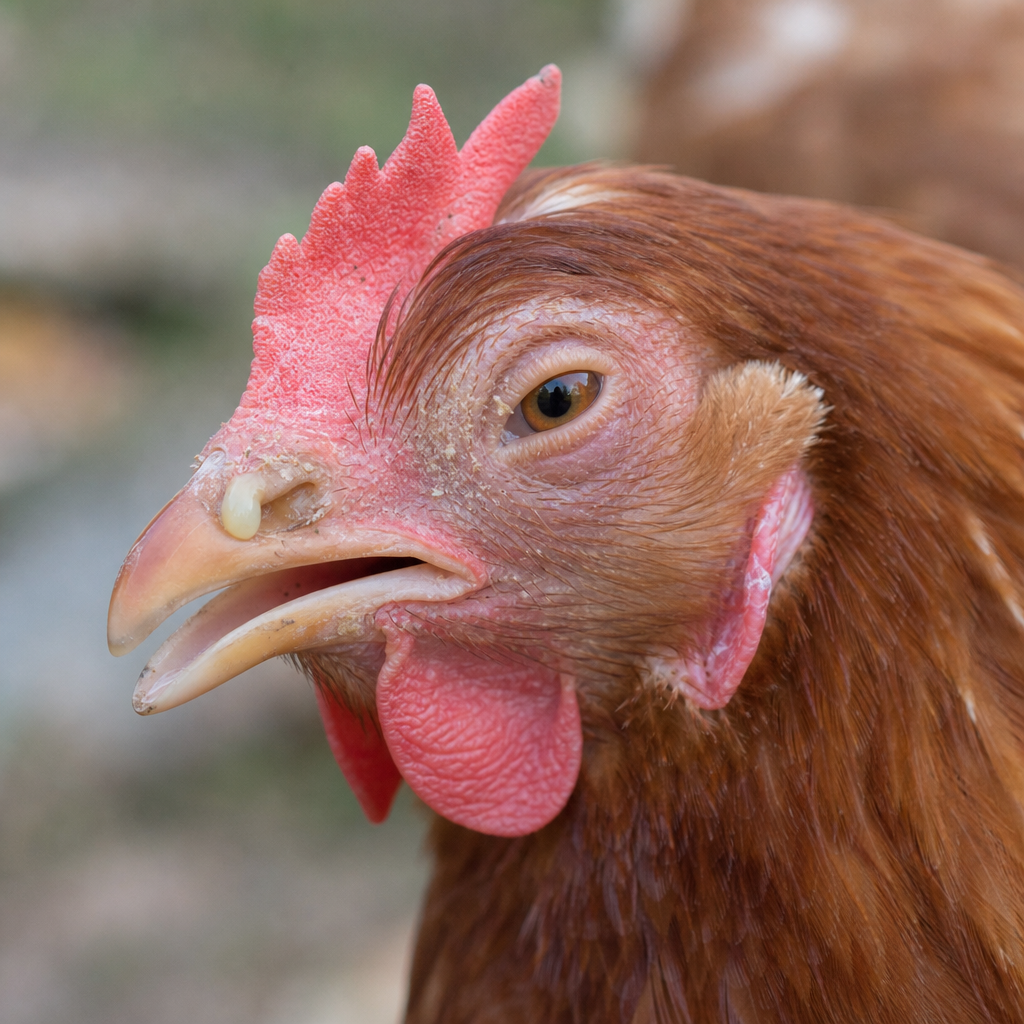
🧬What Causes Respiratory Infections in Chickens?
Respiratory infections in chickens are caused by bacteria, viruses, or a combination of both. Mycoplasma is the most common cause in backyard flocks. Most outbreaks are triggered by stress or poor ventilation allowing opportunistic pathogens to overwhelm immune defenses.
- Mycoplasma gallisepticum (MG) - most common: A bacteria-like organism that causes chronic respiratory disease. Birds become lifelong carriers after infection and can spread it to chicks through the egg.
- Infectious Bronchitis Virus (IBV): A fast-spreading coronavirus affecting the respiratory tract and reproductive system. Causes drops in egg production alongside respiratory signs. No treatment - supportive care only.
- Infectious Laryngotracheitis (ILT): A herpesvirus causing severe respiratory distress with bloody mucus. Spreads through respiratory secretions. A live vaccine is available for high-risk flocks.
- Newcastle Disease Virus (NDV): A federally reportable disease ranging from mild respiratory signs to severe neurological symptoms. Wild birds are a major introduction vector.
- Environmental triggers: Ammonia buildup from wet litter, poor ventilation, overcrowding, and sudden temperature changes weaken mucosal immunity and allow carrier pathogens to activate into clinical disease.
🔬How Is Respiratory Infections Diagnosed?
The pattern of spread and specific signs narrow the diagnosis significantly:
- Slow spread, facial swelling, rattling: Mycoplasma
- Rapid flock-wide coughing, egg drop: Infectious Bronchitis
- Gasping, bloody mucus, high mortality: ILT
- Rapid spread + neurological signs: Newcastle - report immediately
- Breathing difficulty without nasal discharge: Aspergillosis
Definitive diagnosis requires PCR testing or serology through a state diagnostic lab. If Newcastle Disease is suspected, contact your state veterinarian before sending samples.
💊How Is Respiratory Infections Treated?
Mycoplasma: Tylosin, doxycycline, or enrofloxacin reduce clinical signs but do not eliminate the organism. Birds remain carriers. Treat for 5-7 days to control outbreaks.
IB: No treatment. Supportive care, electrolytes, and warmth. Vaccination (Massachusetts strain) protects future flocks.
ILT: Antiviral (valacyclovir) may reduce severity. Vaccinate unaffected birds immediately with eye-drop vaccine. Isolate aggressively.
Newcastle: No treatment. Report to USDA APHIS. Do not move birds.
Aspergillosis: Voriconazole or itraconazole (prescription). Remove all moldy bedding and feed.
Antibiotics for chickens with respiratory infection
Antibiotics are useful only for susceptible bacterial disease or secondary bacterial infection, not for infectious bronchitis, Newcastle disease, ILT, or aspergillosis. A veterinarian may select tylosin for Mycoplasma or doxycycline or oxytetracycline after considering diagnosis, weight, formulation, and local rules. Exact dosing and egg withdrawal vary by product and jurisdiction, so use the prescription or label rather than a universal dose. Open-mouth breathing, rapid flock spread, deaths, neurological signs, or bloody mucus require urgent veterinary or regulatory advice.
Natural & Integrative Care for Respiratory Infections
Mycoplasma responds well to oregano and garlic alongside antibiotic treatment. Viral causes need conventional intervention; natural care is supportive only.
Natural interventions are most effective for Mycoplasma and as supportive care for viral causes. They are not adequate sole treatments for ILT or Newcastle.
Oregano oil in water (3-5 drops per gallon): Carvacrol and thymol have documented antimycoplasmal activity. Use 3x weekly as maintenance, daily during active outbreak.
Garlic water: Crush 3-4 cloves per gallon, steep overnight, use as sole water source for 3-5 days. Allicin is a broad-spectrum antimicrobial with specific activity against Mycoplasma species.
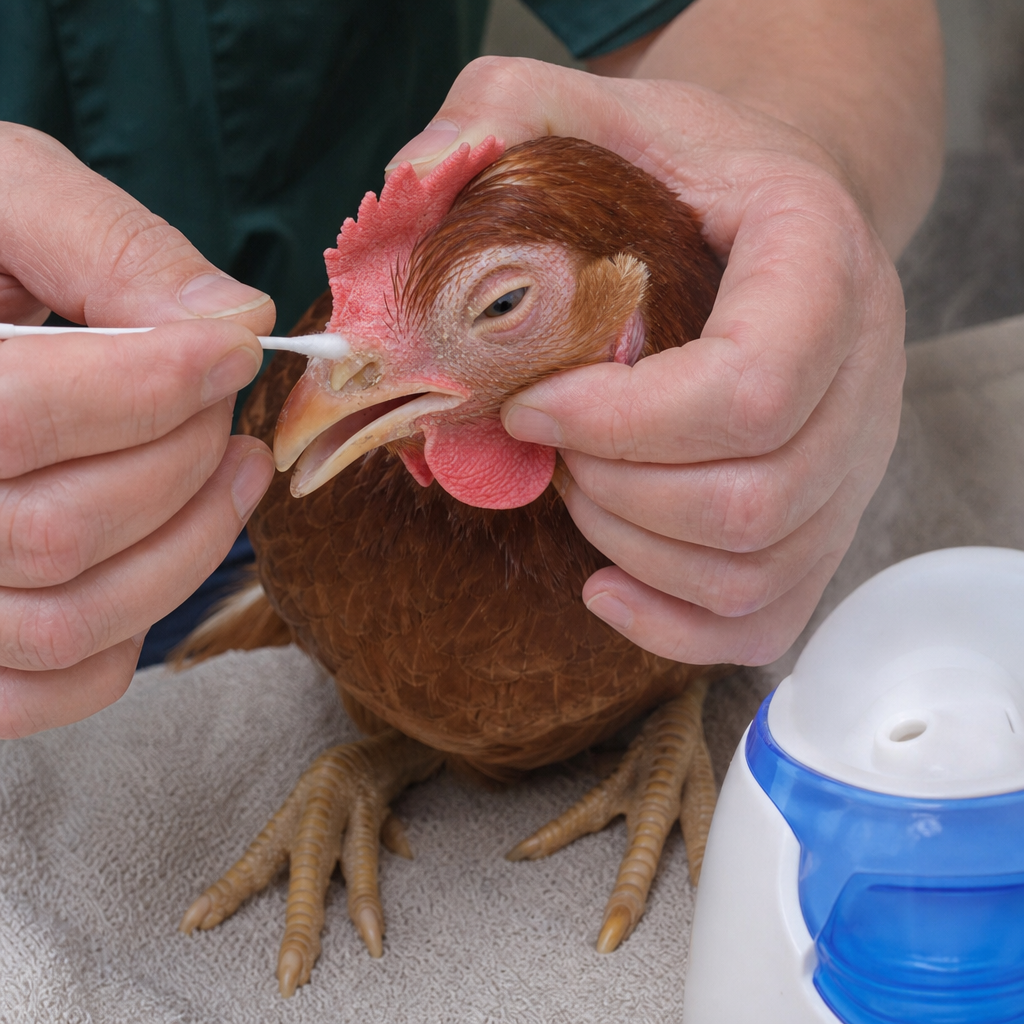
Steam treatment: 15-20 minutes in a steamy bathroom or steam tent. Opens airways, reduces mucus viscosity. Effective supportive care for any respiratory condition.
Rosemary and thyme in feed: Both contain compounds with documented respiratory antimicrobial properties. Add fresh sprigs to feed daily during outbreak.
Apple cider vinegar 1 tbsp/gallon: Acidifies the respiratory mucus environment. Use preventively in high-risk seasons (cold, wet weather).
Improve ventilation: The single most important environmental intervention. Ammonia from litter is a primary respiratory irritant and immune suppressor. Clean coop, reduce ammonia.
Photo needed
Natural remedies for Respiratory Infections, oregano-oil, garlic, apple-cider-vinegar shown together
16/9🛡️How Can Respiratory Infections Be Prevented?
- Vaccinate for IB, ILT, and Newcastle based on your region and flock history
- Quarantine new birds for 30 days - respiratory pathogens spread in the first week
- Oregano and garlic in water 2-3x weekly reduces Mycoplasma reactivation
- Control ammonia - test strips should read under 10ppm in the coop
- Reduce stress - stress is the primary trigger for Mycoplasma from latency to disease
- Closed flock management where possible - every new bird is a potential carrier
📞When Should I Call a Vet for Respiratory Infections?
Call a vet if:
- More than 10% of the flock is showing signs within 48 hours
- Any bird is gasping, coughing blood, or suffocating
- Neurological signs accompany respiratory signs (possible Newcastle)
- Birds are dying - you need a diagnosis before treating blindly
❓Respiratory Infections: Frequently Asked Questions
What antibiotics treat respiratory infections in chickens?
The most commonly used antibiotics for respiratory infections in chickens are oxytetracycline (Terramycin), tylosin (Tylan), and erythromycin, all available without a prescription. Mycoplasma specifically responds well to tylosin or doxycycline. Always complete the full course and observe egg withdrawal periods on the label.
How do you treat a respiratory infection in chickens naturally?
Natural supportive care includes oregano oil in water (2-3 drops per gallon), apple cider vinegar, garlic in feed, and fresh thyme. These have antimicrobial properties that support the immune system. Ensure good ventilation, reduce stress, and separate affected birds. Natural approaches work best for mild cases or as prevention.
What are the symptoms of a respiratory infection in chickens?
Symptoms include wheezing, rattling, or gurgling sounds when breathing, nasal discharge, swollen sinuses, watery eyes, sneezing, lethargy, and reduced egg production. Wet rattles indicate fluid in the airway. Mycoplasma causes foam in the eye corners. Severe cases show open-mouth breathing and neck stretching.
How do chickens get respiratory infections?
Respiratory infections spread through direct contact with infected birds, contaminated equipment, or airborne droplets. Mycoplasma spreads through the egg to chicks. Stress, poor ventilation, overcrowding, and dust weaken the immune system and trigger outbreaks in carrier birds. Wild birds can introduce Newcastle disease.
Can chickens survive a respiratory infection?
Most chickens survive respiratory infections with prompt treatment, though Mycoplasma and IB often become chronic conditions. Birds may become permanent carriers and spread the disease without showing symptoms themselves. Isolation and antibiotic treatment within the first few days of symptoms gives the best outcome.
📋Key Points
- ✓Respiratory infections in chickens are caused by bacteria, viruses, or a combination of both.
- ✓Key symptoms: rattling or gurgling breathing sounds, nasal discharge (clear to cloudy), watery or swollen eyes, coughing or sneezing.
- ✓Variable by pathogen. Mycoplasma: manageable but never cured. IB: good with supportive care. ILT: good if caught early and vaccinated. Newcastle velogenic: poor, high mortality.
- ✓This condition is contagious, isolate affected birds promptly.
🔗Related
Related Conditions
Medications
Natural Remedies & Supplements
📚Sources & References
- 1.Respiratory Disease in Poultry. Merck Veterinary Manual. 2024
- 2.Mycoplasma Diseases in Poultry. Merck Veterinary Manual. 2024
- 3.Highly Pathogenic Avian Influenza Preparedness. University of Georgia College of Veterinary Medicine. 2024
- 4.Management of Backyard Poultry. Merck Veterinary Manual. 2024