Aspergillosis in Chickens: Symptoms, Causes and Treatment
Aspergillosis is a fungal infection caused by Aspergillus fumigatus that primarily affects the respiratory system of young chicks (brooder pneumonia) and immunocompromised adult birds. It is not contagious bird-to-bird; instead, birds are infected individually by inhaling fungal spores from moldy bedding, feed, or hatchery equipment. There is no reliably effective treatment, making prevention through environmental management critical.
Veterinarian Reviewed
FlockVet Veterinary Editorial Team· Reviewed August 2026
This is a veterinary emergency.
If your bird is showing these signs, contact a veterinarian immediately. Do not wait. Time-sensitive conditions can deteriorate rapidly without professional intervention.
At a Glance
- Urgency
- Emergency
- Contagious
- No
- Affects Humans
- No
- Key Symptoms
- gasping and labored breathing in chicks 4-14 days old (brooder pneumonia), head bobbing or pump-handle breathing motions, cyanosis (blue tint) of comb and wattles in severe cases
- Prognosis
- Poor for birds with established pulmonary granulomas; most die within 1-3 weeks even with antifungal treatment. Good prognosis for the flock if the spore source is identified and removed early, before significant numbers are affected. Individual birds in early stages occasionally survive if treatment is started promptly.
📑 On This Pagetap to expand
🔍What Are the Symptoms of Aspergillosis (Brooder Pneumonia)?
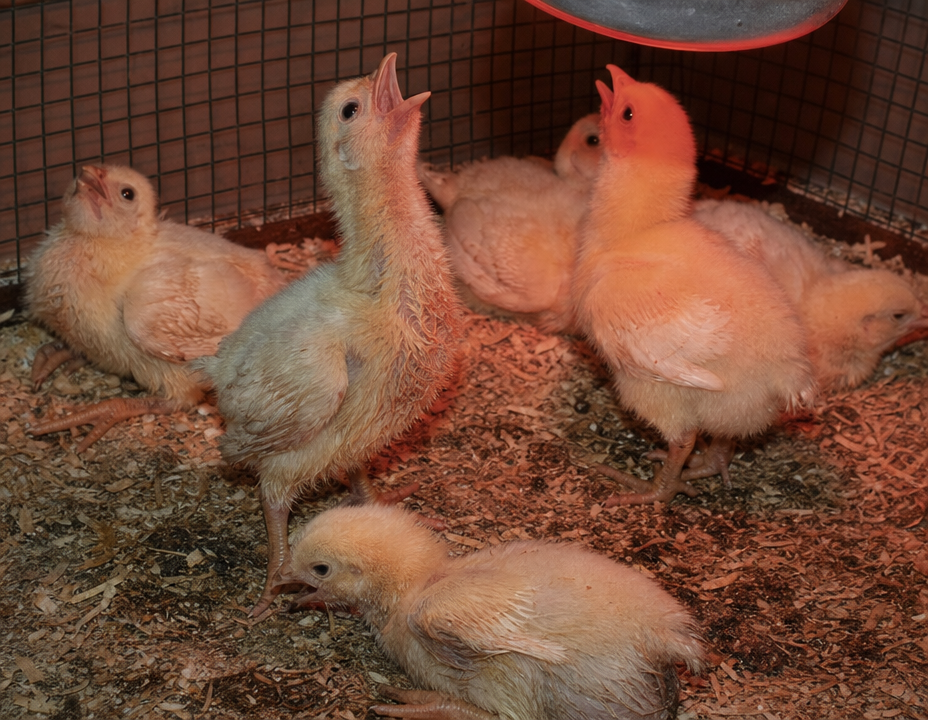
- ●Gasping and labored breathing in chicks 4-14 days old (brooder pneumonia)
- ●Head bobbing or pump-handle breathing motions
- ●Cyanosis (blue tint) of comb and wattles in severe cases
- ●Nasal discharge and eye discharge in some birds
- ●Loss of voice or unusual quiet in affected chicks
- ●Drowsiness, weakness, and huddling away from heat source
- ●Neurological signs (head tilt, loss of balance) when brain is affected
- ●In adults: gradual weight loss, reduced egg production, intermittent respiratory distress
🧬What Causes Aspergillosis (Brooder Pneumonia) in Chickens?
Aspergillus fumigatus produces millions of spores (conidia) per gram of infected substrate. Inhalation of high spore loads overwhelms respiratory defenses in young or immunosuppressed birds.
- Moldy hatchery equipment: Incubator or hatcher contamination with Aspergillus exposes all chicks to massive spore loads at hatch. This is the most common cause of brooder pneumonia outbreaks affecting large numbers of chicks simultaneously.
- Contaminated bedding: Wood shavings, straw, or peat moss that has been stored in damp conditions can harbor active Aspergillus growth. Disturbing moldy litter releases spore clouds that chicks inhale.
- Moldy feed: Improperly stored feed, especially corn-based diets, supports Aspergillus growth. Feed should be stored in sealed, dry containers and used within 2-3 weeks of manufacture.
- Immunosuppression: Adult birds rarely develop aspergillosis unless immunosuppressed by IBD, CIA, corticosteroids, or chronic stress. A sporadic adult case always warrants investigation for an underlying immunosuppressive condition.
🔬How Is Aspergillosis (Brooder Pneumonia) Diagnosed?
Brooder pneumonia in a group of young chicks with recent exposure to new bedding or a hatchery is presumptively diagnosed on clinical signs and history.
- Flock pattern: Multiple chicks gasping within the first 2 weeks of life, especially if the problem began shortly after placement on new bedding or arrival from a hatchery.
- Necropsy: Classic findings are grayish-white to yellowish plaques (granulomas) in the lungs and air sacs. Advanced cases show plaques in the trachea, syrinx, and brain. The organism can sometimes be seen as blue-green mold growth within lesions.
- Fungal culture: Minced lung tissue plated on Sabouraud's dextrose agar grows Aspergillus colonies within 48-72 hours. PCR is more sensitive and faster.
- Differentials: IB (respiratory but spreads rapidly to whole flock), Marek's (neurological in older birds), heat stress (behavioral without lung lesions), nutritional deficiency.
💊How Is Aspergillosis (Brooder Pneumonia) Treated?
Treatment of aspergillosis in poultry is generally unrewarding. Antifungal drugs are expensive, require extended courses, and do not reverse established granulomatous lesions in the lungs.
Itraconazole: 5-10 mg/kg orally once daily for 21-45 days has some efficacy in early cases or high-value individual birds. Not practical for large flock outbreaks. Requires compounding for poultry use.
Amphotericin B: Nebulization (via aerosol therapy) at 1 mg/mL for 15-30 minutes twice daily for 5-7 days has been used in individual pet birds. Not practical for production flocks.
Copper sulfate in water: 1:2000 dilution has some antifungal properties and has been used as a flock-wide adjunct. Not a replacement for removal of the spore source.
Most important intervention: Remove and replace all contaminated bedding and feed immediately. Eliminate the spore source. Improved ventilation dilutes remaining spore load. For hatchery-associated outbreaks, professional disinfection of incubators and hatchers with formaldehyde fumigation or other approved antifungal disinfectants is essential.
Natural & Integrative Care for Aspergillosis (Brooder Pneumonia)
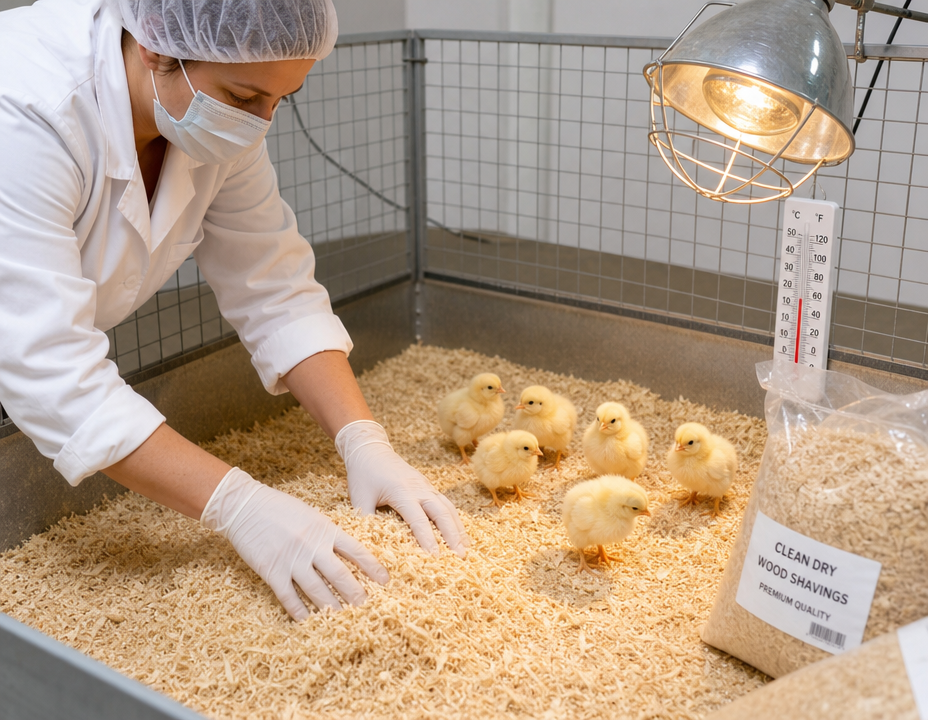
There is no reliable treatment for aspergillosis; source removal and prevention through clean, dry bedding and feed storage are the primary management tools.
Natural approaches are not effective against established aspergillosis. Removing the environmental source of spores is the only meaningful action.
Oregano oil in water: Some in vitro activity against Aspergillus has been documented, but clinical efficacy in poultry aspergillosis has not been established. It may be used as a supportive measure alongside removal of the spore source.
Vitamin A supplementation: Vitamin A maintains mucosal integrity in the respiratory tract. Deficiency predisposes birds to fungal colonization. Supplementing affected flocks during recovery supports airway health.
🛡️How Can Aspergillosis (Brooder Pneumonia) Be Prevented?
- Never use visibly moldy bedding, straw, or feed. Inspect all bedding materials before placement. Aspergillus grows on damp wood shavings, straw, peat, and any organic material stored in humid conditions.
- Store feed in sealed, dry containers away from moisture. Feed stored in paper bags in humid environments can support Aspergillus growth within 1-2 weeks.
- Disinfect incubators and hatchers between every hatch with formaldehyde fumigation or other approved antifungal agents. Hatchery aspergillosis infects all chicks simultaneously and can cause catastrophic losses.
- Maintain adequate ventilation in brooder areas. High humidity and ammonia both predispose respiratory tracts to fungal colonization.
- Change litter promptly if it becomes wet. Wet spots around drinkers are a primary Aspergillus growth site in brooder houses.
📞When Should I Call a Vet for Aspergillosis (Brooder Pneumonia)?
Call a veterinarian if:
- Multiple chicks gasp and die in the first 2 weeks of life, especially after recent introduction of new bedding. This pattern suggests hatchery or environmental Aspergillus and requires immediate source investigation.
- Adult birds develop progressive respiratory distress without improvement over 1-2 weeks. Adult aspergillosis usually indicates immunosuppression requiring workup for IBD, CIA, or other underlying conditions.
❓Aspergillosis (Brooder Pneumonia): Frequently Asked Questions
What is aspergillosis (brooder pneumonia) in chickens?
Aspergillosis is a fungal lung infection caused by Aspergillus fumigatus. Chicks inhale spores from moldy bedding, feed, or hatchery equipment, developing pneumonia in the first 2 weeks of life. It is not contagious between birds. Removing the spore source is the most important intervention.
Can aspergillosis in chickens be treated?
Treatment is largely ineffective once lesions are established. Itraconazole has some efficacy in early cases or valuable individual birds. The most important action is removing contaminated bedding or feed immediately. Prevention through clean, dry bedding storage is far more effective than trying to treat active infections.
Is aspergillosis in chickens contagious?
No. Aspergillosis is not contagious between birds. Each bird is infected independently by inhaling fungal spores from a contaminated environmental source. If multiple birds are affected simultaneously, they all inhaled spores from the same source, such as moldy bedding or a contaminated incubator.
What causes aspergillosis in chickens?
Aspergillus fumigatus spores in moldy bedding, feed, or hatchery equipment are the cause. Young chicks and immunocompromised adult birds are most susceptible. Spore loads sufficient to cause disease can build up in wood shavings stored in humid conditions, peat bedding, or moldy hay used as nest material.
How do you prevent aspergillosis in chickens?
Use only fresh, dry bedding from a reliable source. Store feed in sealed dry containers. Disinfect incubators between hatches. Maintain adequate ventilation in brooder areas. Inspect all litter before placement and replace immediately if wet patches develop around drinkers.
📋Key Points
- ✓Aspergillus fumigatus produces millions of spores (conidia) per gram of infected substrate.
- ✓Key symptoms: gasping and labored breathing in chicks 4-14 days old (brooder pneumonia), head bobbing or pump-handle breathing motions, cyanosis (blue tint) of comb and wattles in severe cases, nasal discharge and eye discharge in some birds.
- ✓Poor for birds with established pulmonary granulomas; most die within 1-3 weeks even with antifungal treatment. Good prognosis for the flock if the spore source is identified and removed early, before significant numbers are affected. Individual birds in early stages occasionally survive if treatment is started promptly.
🔗Related
Related Conditions
📚Sources & References
- 1.Aspergillosis in Poultry. Merck Veterinary Manual. 2024
- 2.Aspergillus fumigatus in Poultry Production. PubMed / Avian Pathology. 2018
- 3.Brooder Pneumonia Management. University of Georgia Extension. 2020