Pullorum Disease in Chickens: Symptoms, NPIP Testing and Control
Pullorum disease is caused by Salmonella Pullorum and primarily kills chicks in the first 2-3 weeks of life through bloody or white pasty diarrhea, weakness, and respiratory distress. It is a federally reportable condition in the United States under the National Poultry Improvement Plan (NPIP). Adult birds can be lifelong carriers without showing any signs. Test-and-cull is the regulatory control method.
Veterinarian Reviewed
FlockVet Veterinary Editorial Team· Reviewed August 2026
This is a veterinary emergency.
If your bird is showing these signs, contact a veterinarian immediately. Do not wait. Time-sensitive conditions can deteriorate rapidly without professional intervention.
At a Glance
- Urgency
- Emergency
- Contagious
- Yes
- Affects Humans
- No
- Key Symptoms
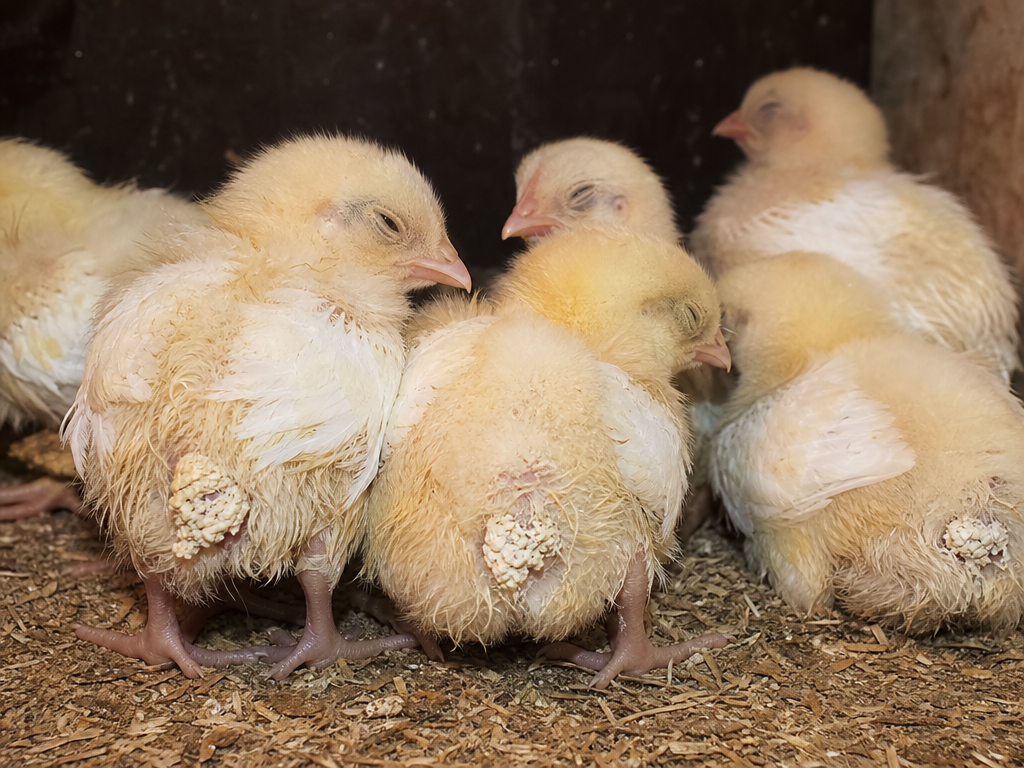
- white or gray pasty diarrhea pasted around the vent in chicks (bacillary white diarrhea), mortality beginning at 5-7 days post-hatch, peaking at 2-3 weeks, chicks huddling under heat source despite adequate temperature
- Prognosis
- High mortality in chicks (up to 80-100% in heavily infected hatches) without management intervention. Adults are asymptomatic lifelong carriers. Prognosis for flock eradication is good if the NPIP test-and-cull protocol is followed consistently through multiple test rounds until the flock achieves Pullorum-Typhoid Clean certification.
📑 On This Pagetap to expand
🔍What Are the Symptoms of Pullorum Disease?
- ●White or gray pasty diarrhea pasted around the vent in chicks (bacillary white diarrhea)
- ●Mortality beginning at 5-7 days post-hatch, peaking at 2-3 weeks
- ●Chicks huddling under heat source despite adequate temperature
- ●Drowsiness, closed eyes, and tucked head in dying chicks
- ●Gasping and labored breathing (pneumonia form)
- ●Swollen abdomen from retained yolk sac or liver enlargement
- ●Adult carriers: no visible signs (lifelong subclinical infection)
- ●Reduced hatchability from infected hatching eggs
🧬What Causes Pullorum Disease in Chickens?
Salmonella Pullorum is a host-adapted pathogen specific to chickens and turkeys that has been nearly eliminated from US commercial flocks through the NPIP but persists in unmonitored backyard and heritage breed flocks.
- Transovarial (vertical) transmission: S. Pullorum uniquely infects the ovary and oviduct of carrier hens. The organism colonizes the developing egg yolk before shell formation. Infected chicks hatch already infected and begin dying within their first week. This is the primary source of new flock infections.
- Horizontal spread in the hatcher: Infected chicks hatch and shed massive numbers of bacteria in the hatcher environment. Uninfected hatchmates inhale or ingest contaminated dust and feces, spreading the infection to the entire hatch group.
- Environmental persistence: S. Pullorum survives in manure, dust, and on equipment for weeks to months. Contaminated hatchery equipment, brooders, and coops serve as ongoing sources without proper disinfection.
- Carrier adults: Recovered birds and adults from infected flocks are lifelong carriers. They show no signs but continuously shed the organism in feces and pass it transovarially. Purchasing birds at auctions or from unknown sources is the most common way Pullorum enters a clean flock.
🔬How Is Pullorum Disease Diagnosed?
Pullorum disease is diagnosed by the combination of clinical presentation and confirmatory testing. Reporting to state veterinary authorities is legally required in the US.
- Clinical diagnosis: White pasty diarrhea with high mortality in chicks 1-3 weeks old, especially in newly hatched flocks, is Pullorum until proven otherwise.
- Whole Blood Test (WBT) for adults: A rapid agglutination test performed on a drop of fresh blood. Positive birds show visible clumping within 1 minute. Used routinely for NPIP certification.
- Tube Agglutination Test (TAT): More sensitive than WBT. Used for confirmation and NPIP certification testing in most US states.
- Culture: Organ culture (liver, spleen, ovaries) from dead chicks or euthanized suspect birds on selective Salmonella media confirms S. Pullorum.
- Reporting: Contact your state veterinarian immediately upon suspicion or confirmation. Pullorum is listed under the NPIP as a reportable condition in all 50 states.
💊How Is Pullorum Disease Treated?
Treatment of Pullorum disease in chicks can reduce mortality but does not eliminate the carrier state. The regulatory approach is test-and-cull, not treatment.
NPIP test-and-cull protocol: All reactors identified by WBT or TAT are culled. Repeat testing of the flock at 21-30 day intervals until two consecutive negative tests are achieved. This is the only path to NPIP Pullorum-Typhoid Clean status.
Antibiotic supportive treatment for chicks: Tetracyclines (chlortetracycline), furazolidone (where legal), or sulfamethazine in water can reduce chick mortality during an active outbreak. Treatment suppresses clinical signs but does not clear the carrier state. Survivors become carriers.
Environmental decontamination: Complete depopulation followed by thorough disinfection with quaternary ammonium or phenolic disinfectants, then a minimum 3-4 week downtime before restocking with tested, clean birds.
Natural & Integrative Care for Pullorum Disease
Pullorum disease is managed through NPIP test-and-cull protocols, not treatment; contact your state veterinarian immediately upon suspicion.
Natural approaches are not appropriate for Pullorum disease management. This is a regulatory emergency in the US. Contact your state veterinarian before taking any action beyond isolation.
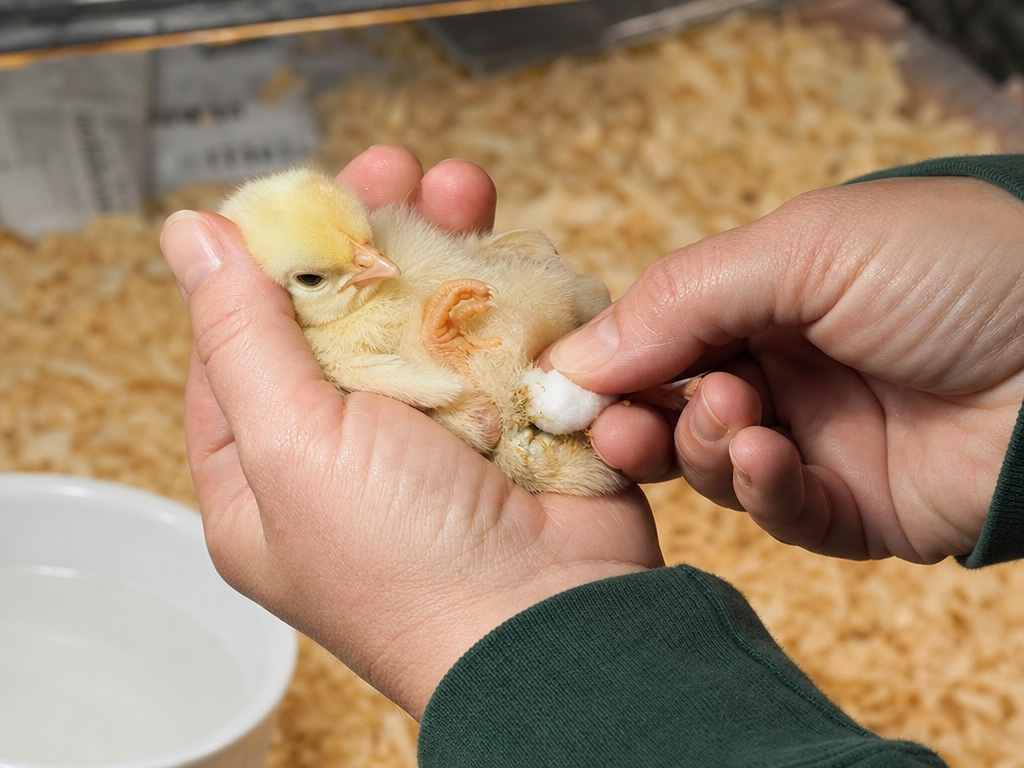
Supportive care for affected chicks (electrolytes, warmth, high-quality brooder environment) reduces stress-related secondary mortality while awaiting regulatory guidance, but does not address the primary infection.
🛡️How Can Pullorum Disease Be Prevented?
- Purchase birds only from NPIP Pullorum-Typhoid Clean certified flocks. This certification requires regular testing and is the primary line of defense for clean flocks.
- Test your flock annually if you show birds, transport them across state lines, or sell hatching eggs. Most states require NPIP testing for these activities.
- Never purchase birds at auctions, swaps, or flea markets without confirmed NPIP status. This is the single most common way Pullorum is introduced into previously clean flocks.
- Quarantine all new birds 30 days before integration, even from certified flocks. Test during quarantine if there is any doubt about certification validity.
- Thoroughly disinfect incubators and hatchers between hatches. S. Pullorum spreads explosively in the hatcher environment from a single infected egg.
📞When Should I Call a Vet for Pullorum Disease?
Call your state veterinarian immediately if you suspect Pullorum disease. This is legally required in all US states.
- Multiple chick deaths with white or bloody diarrhea in the first 3 weeks of life.
- Positive WBT or TAT test result in any adult bird.
- Lab confirmation of S. Pullorum from any flock sample.
USDA APHIS National Poultry Improvement Plan: aphis.usda.gov/npip
❓Pullorum Disease: Frequently Asked Questions
What is Pullorum disease in chickens?
Pullorum disease is caused by Salmonella Pullorum and kills chicks in the first 2-3 weeks of life with white pasty diarrhea, weakness, and respiratory distress. It is federally reportable under the NPIP. Adult carriers show no signs but pass the infection through their eggs. Test-and-cull is the regulatory control method.
How is Pullorum disease tested in chickens?
The Whole Blood Test (WBT) is the standard rapid field test: a drop of blood is mixed with Pullorum antigen and checked for agglutination within 1 minute. The Tube Agglutination Test (TAT) is more sensitive and used for NPIP certification. Both are administered by your state veterinarian or a licensed tester.
Is Pullorum disease reportable?
Yes. Pullorum disease (Salmonella Pullorum) is a reportable condition under the National Poultry Improvement Plan in all 50 US states. Confirmed or suspected cases must be reported to the state veterinarian. Failure to report is a federal violation. Contact your state veterinarian or USDA APHIS immediately upon suspicion.
Can Pullorum disease be treated?
Antibiotics reduce chick mortality but do not eliminate the carrier state in survivors. The regulatory approach is test-and-cull, not treatment. Positive adult birds are culled and the flock is retested until two consecutive clean tests are achieved. Treated chicks that survive become permanent carriers and should not be kept in a clean flock.
How does Pullorum disease spread?
Primarily through vertical (transovarial) transmission: infected hens pass the bacteria through their eggs to chicks before hatch. Horizontal spread occurs in the hatcher when infected chicks contaminate the environment. Adult carrier birds spread it through feces. Purchasing birds from unknown sources without NPIP certification is the most common entry route.
📋Key Points
- ✓Salmonella Pullorum is a host-adapted pathogen specific to chickens and turkeys that has been nearly eliminated from US commercial flocks through the NPIP but persists in unmonitored backyard and heritage breed flocks.
- ✓Key symptoms: white or gray pasty diarrhea pasted around the vent in chicks (bacillary white diarrhea), mortality beginning at 5-7 days post-hatch, peaking at 2-3 weeks, chicks huddling under heat source despite adequate temperature, drowsiness, closed eyes, and tucked head in dying chicks.
- ✓High mortality in chicks (up to 80-100% in heavily infected hatches) without management intervention. Adults are asymptomatic lifelong carriers. Prognosis for flock eradication is good if the NPIP test-and-cull protocol is followed consistently through multiple test rounds until the flock achieves Pullorum-Typhoid Clean certification.
- ✓This condition is contagious, isolate affected birds promptly.
🔗Related
Related Conditions
📚Sources & References
- 1.Pullorum Disease and Fowl Typhoid in Poultry. Merck Veterinary Manual. 2024
- 2.National Poultry Improvement Plan - Pullorum Testing. USDA APHIS. 2024
- 3.Pullorum Disease Management in Backyard Flocks. University of Georgia Extension. 2021