Diarrhea in Chickens: Symptoms, Causes and Treatment
Diarrhea in chickens is loose, watery, or discolored stool that persists beyond normal cecal droppings. It can stem from dietary changes, bacterial or viral infections, intestinal parasites, or stress. Mild cases often resolve with supportive care, while persistent or bloody diarrhea requires veterinary diagnosis to identify and treat the underlying cause.
Veterinarian Reviewed
FlockVet Editorial Team· Reviewed August 2026
At a Glance
- Urgency
- Moderate
- Contagious
- Yes
- Affects Humans
- No
- Key Symptoms
- watery or very loose droppings, staining of vent feathers (pasty vent in adults), greenish, yellow, or white liquid stool
- Prognosis
- Good for dietary and parasitic causes with prompt treatment. Guarded for coccidiosis if not treated within 24-48 hours of bloody stool onset. Poor prognosis if left untreated in chicks under 8 weeks.
📑 On This Pagetap to expand
🔍What Are the Symptoms of Diarrhea in Chickens?
- ●Watery or very loose droppings
- ●Staining of vent feathers (pasty vent in adults)
- ●Greenish, yellow, or white liquid stool
- ●Bloody droppings (coccidiosis, hemorrhagic enteritis)
- ●Lethargy and ruffled feathers
- ●Reduced feed and water intake
- ●Weight loss and muscle wasting
- ●Dehydration (sunken eyes, dry skin folds)
- ●Reduced egg production
- ●Multiple birds affected simultaneously (infectious cause)
🧬What Causes Diarrhea in Chickens in Chickens?
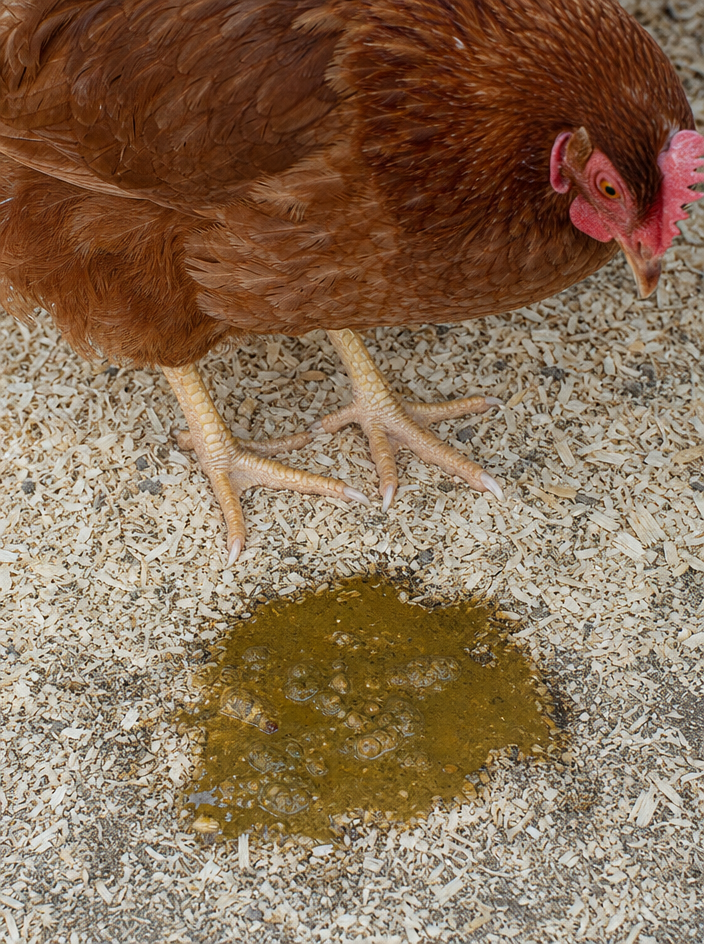
Diarrhea in chickens results from disruption of normal intestinal function by dietary, infectious, parasitic, or stress-related triggers. Identifying the pattern of onset, flock spread, and dropping color helps narrow the cause before testing.
- Dietary causes: Sudden feed changes, excess fruit or greens, high-protein feeds, or rancid feed disrupt gut flora and osmotic balance. This is the most common cause of transient diarrhea in backyard flocks.
- Coccidiosis: Eimeria protozoa destroy intestinal lining, causing bloody or mucoid diarrhea with high mortality in chicks under 12 weeks. Wet litter and overcrowding accelerate oocyst cycling.
- Bacterial infections: Salmonella, Campylobacter, Clostridium perfringens, and E. coli cause enteritis ranging from loose stool to hemorrhagic diarrhea. Clostridial necrotic enteritis produces foul-smelling, dark diarrhea.
- Viral causes: Infectious Bursal Disease (Gumboro), adenovirus, and avian rotavirus impair intestinal absorption and immunity. Viral diarrhea spreads rapidly through flocks with no specific treatment.
- Internal parasites: Roundworms, tapeworms, and histomoniasis (blackhead) damage intestinal mucosa and reduce nutrient absorption. Heavy burdens cause chronic diarrhea and wasting.
- Stress: Heat, overcrowding, transport, predator exposure, and social changes suppress immune defenses and alter gut motility, triggering loose stools that resolve when the stressor is removed.
🔬How Is Diarrhea in Chickens Diagnosed?
Start by distinguishing normal cecal droppings (brown, foamy, or mustard-yellow) from true diarrhea (watery, persistent, or bloody). A systematic approach narrows the cause:
- Dietary history first: Ask whether feed or treats changed in the past 48 hours. Rapid feed change diarrhea resolves within 1-3 days of returning to original diet.
- Flock pattern: If multiple birds are affected within 24-48 hours, suspect an infectious cause. Single-bird diarrhea is more likely dietary or parasitic.
- Dropping color: Bright red blood suggests coccidiosis. Dark tarry stool suggests hemorrhagic enteritis or Clostridium. Yellow-green watery stool suggests viral or Salmonella.
- Age factor: Chicks under 12 weeks with bloody diarrhea: coccidiosis until proven otherwise. Adults with chronic loose stool: internal parasites, Mycoplasma, or heavy metal toxicity.
- Fecal float and PCR testing: A state diagnostic lab can confirm coccidial oocysts, worm eggs, or bacterial pathogens from a pooled fresh stool sample.
💊How Is Diarrhea in Chickens Treated?
Treatment depends on the identified or most likely cause. Supportive care is appropriate while awaiting test results.
Coccidiosis: Amprolium (Corid) 1.5 teaspoons per gallon as sole water source for 5-7 days. Follow with a probiotic course to restore gut flora.
Bacterial enteritis: Broad-spectrum antibiotics such as oxytetracycline or trimethoprim-sulfamethoxazole under veterinary guidance. Clostridial enteritis responds to penicillin or bacitracin.
Internal parasites: Fenbendazole (Panacur, Safe-Guard) 10 mg/kg orally for 5 consecutive days treats roundworms and many tapeworms. Piperazine is effective against ascarids.
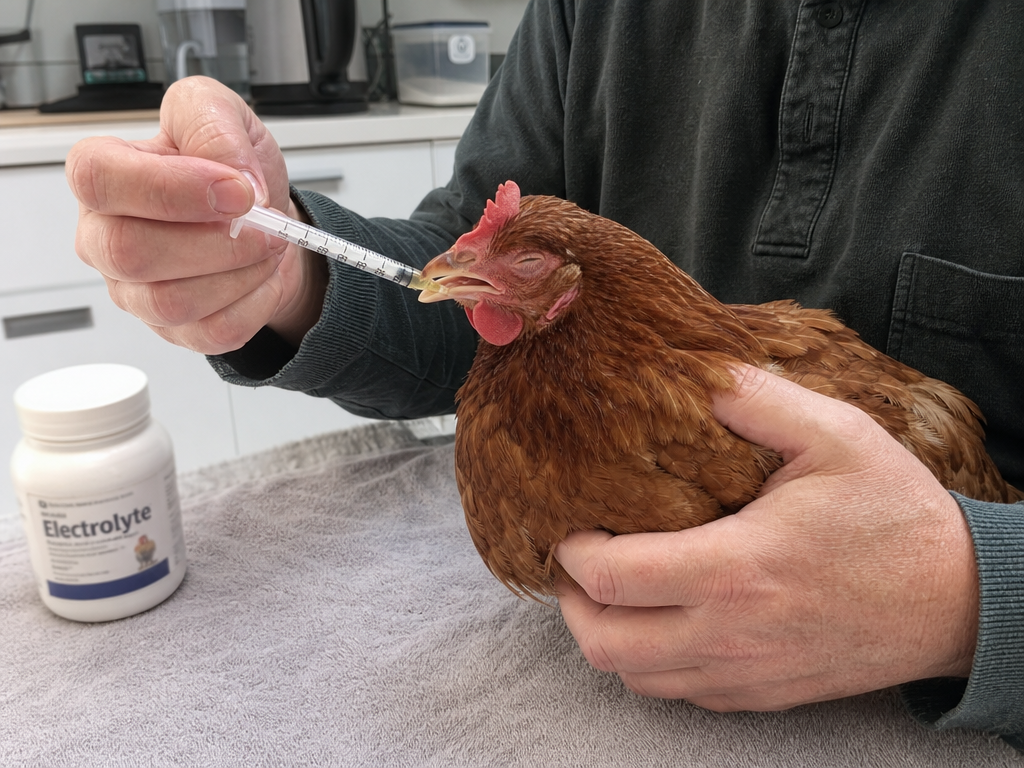
Supportive care for all causes: Electrolyte solution (Sav-A-Chick or similar) replaces lost minerals. Probiotics (Lactobacillus-based) restore microbiome balance within 3-5 days. Keep litter dry to prevent secondary reinfection.
Natural & Integrative Care for Diarrhea in Chickens
Dietary diarrhea resolves well with feed simplification and probiotics. Infectious causes require targeted treatment; natural approaches provide supportive benefit during recovery.
Natural approaches are most effective for dietary diarrhea and as supportive care alongside conventional treatment. They are not adequate sole therapy for coccidiosis or confirmed bacterial infection.
Apple cider vinegar (1 tbsp/gallon): Acidifies drinking water, supporting a healthy gut pH that is less hospitable to pathogenic bacteria. Use 3 days on, 4 days off to avoid disrupting beneficial flora.
Plain yogurt (1 tsp per bird): Live cultures of Lactobacillus acidophilus help restore microbiome balance after antibiotic treatment or stress-related dysbiosis.
Oregano oil (2-3 drops per gallon of water): Carvacrol has documented antimicrobial activity against E. coli and Salmonella. Use daily during active outbreak as a water additive.
Probiotic grit: Offering probiotic-coated grit alongside normal grit provides ongoing microbiome support during recovery.
Temporary feed simplification: Return to plain layer pellets or chick starter. Remove all treats, scratch, and kitchen scraps until stools normalize (typically 2-4 days).
🛡️How Can Diarrhea in Chickens Be Prevented?
- Transition feeds gradually over 7-10 days by mixing old and new feed in increasing proportions. Sudden changes are the most preventable cause of flock-wide diarrhea.
- Keep litter dry and well-managed. Damp litter amplifies coccidial oocysts and bacterial pathogens within 24 hours.
- Dose chicks with an amprolium coccidiostat (Corid) preventively if raising on bare ground or in areas with prior coccidiosis outbreaks.
- Deworm at least twice yearly with fenbendazole and fecal float test before each treatment to confirm parasite burden.
- Quarantine new birds 30 days before flock integration. Salmonella and Campylobacter shed silently from apparently healthy carriers.
- Offer apple cider vinegar in water 3x weekly as a gut health maintenance practice, particularly during high-stress seasons.
📞When Should I Call a Vet for Diarrhea in Chickens?
Contact a veterinarian if:
- Diarrhea is bloody or contains mucus and persists more than 24 hours despite supportive care. Coccidiosis progresses rapidly and is fatal without prompt amprolium treatment.
- Multiple birds are dying or significantly ill within 48 hours. Rapid flock mortality suggests hemorrhagic enteritis or Clostridium requiring urgent diagnosis.
- Diarrhea persists beyond 5-7 days despite dietary correction and probiotic support.
- You see neurological signs alongside diarrhea. This combination suggests botulism, Marek's, or Newcastle disease.
❓Diarrhea in Chickens: Frequently Asked Questions
What causes diarrhea in chickens?
The most common causes are sudden diet changes, coccidiosis (Eimeria), bacterial infections (Salmonella, E. coli, Clostridium), intestinal worms, and heat or other stress. In chicks, coccidiosis is the most dangerous cause and should be treated within hours of seeing bloody stool.
How do I treat diarrhea in chickens at home?
For dietary diarrhea, simplify the diet to plain pellets, offer electrolytes, and add a probiotic. For suspected coccidiosis, start Amprolium (Corid) immediately at the label dose. Diarrhea from known worm burdens responds to fenbendazole over 5 days.
What do normal chicken droppings look like vs. diarrhea?
Normal droppings are firm, brown-gray mounds with a white urate cap. Cecal droppings (produced once or twice daily) are brown, caramel, or mustard-colored and foamy. True diarrhea is watery, persists throughout the day, and often stains vent feathers.
Can chicken diarrhea spread to humans?
Salmonella and Campylobacter from infected chickens can infect humans through contact with droppings. Always wash hands after handling birds or cleaning the coop, and avoid contaminating food preparation surfaces.
How long does diarrhea last in chickens?
Dietary diarrhea typically resolves within 2-4 days of returning to a stable diet. Coccidiosis resolves within 5-7 days with Amprolium treatment. Bacterial diarrhea may persist 1-2 weeks without specific antibiotic therapy.
Is green diarrhea in chickens serious?
Green watery stool in chickens can indicate a viral infection (Newcastle, IB), Salmonella, or simply that the bird is not eating and only bile is passing. Any chicken producing green diarrhea alongside neurological signs or flock deaths requires urgent veterinary attention.
📋Key Points
- ✓Diarrhea in chickens results from disruption of normal intestinal function by dietary, infectious, parasitic, or stress-related triggers.
- ✓Key symptoms: watery or very loose droppings, staining of vent feathers (pasty vent in adults), greenish, yellow, or white liquid stool, bloody droppings (coccidiosis, hemorrhagic enteritis).
- ✓Good for dietary and parasitic causes with prompt treatment. Guarded for coccidiosis if not treated within 24-48 hours of bloody stool onset. Poor prognosis if left untreated in chicks under 8 weeks.
- ✓This condition is contagious, isolate affected birds promptly.
🔗Related
Related Conditions