Fowl Typhoid in Chickens: Symptoms, Causes and NPIP Reporting
Fowl typhoid is caused by Salmonella Gallinarum and differs from Pullorum disease (S. Pullorum) primarily in the age of birds affected: fowl typhoid kills adult chickens, while Pullorum kills chicks. Both are reportable under the NPIP. Signs include pale, anemic birds with green diarrhea and sudden death in adult laying flocks. Test-and-cull is the regulatory control approach.
Veterinarian Reviewed
FlockVet Veterinary Editorial Team· Reviewed August 2026
This is a veterinary emergency.
If your bird is showing these signs, contact a veterinarian immediately. Do not wait. Time-sensitive conditions can deteriorate rapidly without professional intervention.
At a Glance
- Urgency
- Emergency
- Contagious
- Yes
- Affects Humans
- No
- Key Symptoms
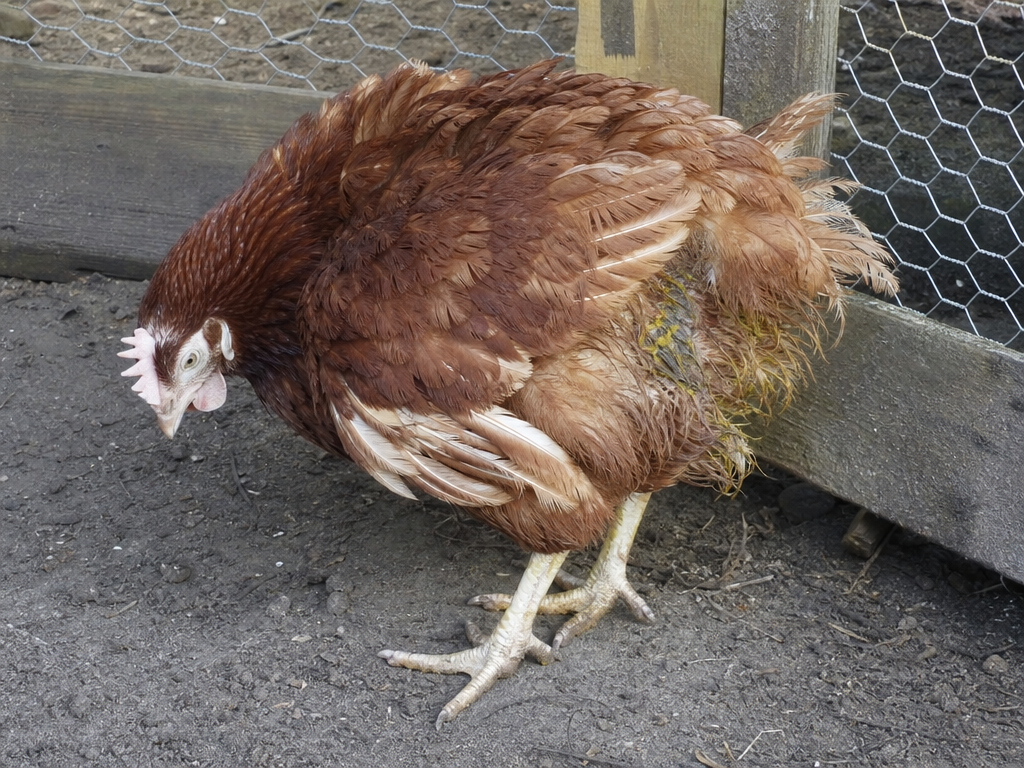
- pale, anemic-looking birds with watery green or yellow-green diarrhea, sudden death in apparently healthy adult birds, marked lethargy, weakness, and reduced activity
- Prognosis
- High mortality in acute outbreaks (10-40%) without intervention. Chronic form causes lower mortality but persistent production losses. Prognosis for flock eradication is good with complete NPIP test-and-cull cycles.
📑 On This Pagetap to expand
🔍What Are the Symptoms of Fowl Typhoid?
- ●Pale, anemic-looking birds with watery green or yellow-green diarrhea
- ●Sudden death in apparently healthy adult birds
- ●Marked lethargy, weakness, and reduced activity
- ●Pale comb and wattles from anemia
- ●Swollen, bronze-discolored liver visible at necropsy
- ●Reduced egg production and increased soft or malformed eggs
- ●Drooping wings and huddled posture
- ●Dehydration from persistent diarrhea
🧬What Causes Fowl Typhoid in Chickens?
Salmonella Gallinarum is a host-adapted, non-motile Salmonella that primarily infects chickens and turkeys, causing clinical disease in adults with low susceptibility in newly hatched chicks.
- Horizontal fecal-oral transmission: S. Gallinarum spreads through infected feces contaminating feed, water, and litter. Unlike S. Pullorum, it is primarily a disease of adult birds acquired horizontally in the flock environment.
- Carrier birds: Recovered birds can carry S. Gallinarum in their bile and excrete organisms intermittently for months. Introducing a carrier bird into a naive flock is the most common cause of new outbreaks.
- Contaminated hatching eggs: S. Gallinarum can penetrate the egg shell and infect chicks at hatch, though this is less common than with S. Pullorum.
- Wild bird reservoir: Some wild bird species carry S. Gallinarum subclinically. Open housing that allows wild bird access and fecal contamination of feed is a risk factor.
🔬How Is Fowl Typhoid Diagnosed?
Fowl typhoid should be suspected in adult flock mortality with anemia, green diarrhea, and the characteristic bronze-green liver at necropsy.
- Necropsy: Enlarged, bronze-green or mahogany-colored liver is the most distinctive finding. The spleen is also enlarged and bronze-colored. Kidneys are pale and swollen.
- Bacteriology: Culture of liver, spleen, or bile on selective Salmonella media confirms S. Gallinarum within 24-48 hours. Biochemical typing differentiates Gallinarum from Pullorum (both are S. Gallinarum biovar, distinguished by dulcitol fermentation).
- NPIP testing: The Whole Blood Test (WBT) and Tube Agglutination Test (TAT) using Pullorum-Typhoid antigen detect antibodies to both S. Pullorum and S. Gallinarum simultaneously.
- Reporting: Positive findings must be reported to the state veterinarian immediately under NPIP requirements.
💊How Is Fowl Typhoid Treated?
As with Pullorum disease, the regulatory approach to fowl typhoid is test-and-cull rather than treatment. Antibiotic treatment can suppress clinical signs and reduce acute mortality, but it does not eliminate the carrier state in recovered birds, and treated birds will still test positive on re-testing, prolonging the NPIP certification process.
NPIP test-and-cull protocol: All WBT- or TAT-positive birds are culled without exception. The remaining flock is retested at 21-30 day intervals until two consecutive clean tests are achieved. This process may take 3-6 months in a heavily infected flock. Partial culling (only culling positive reactors while keeping apparent negatives) is insufficient, as seronegative birds can harbor subclinical infection between testing intervals.
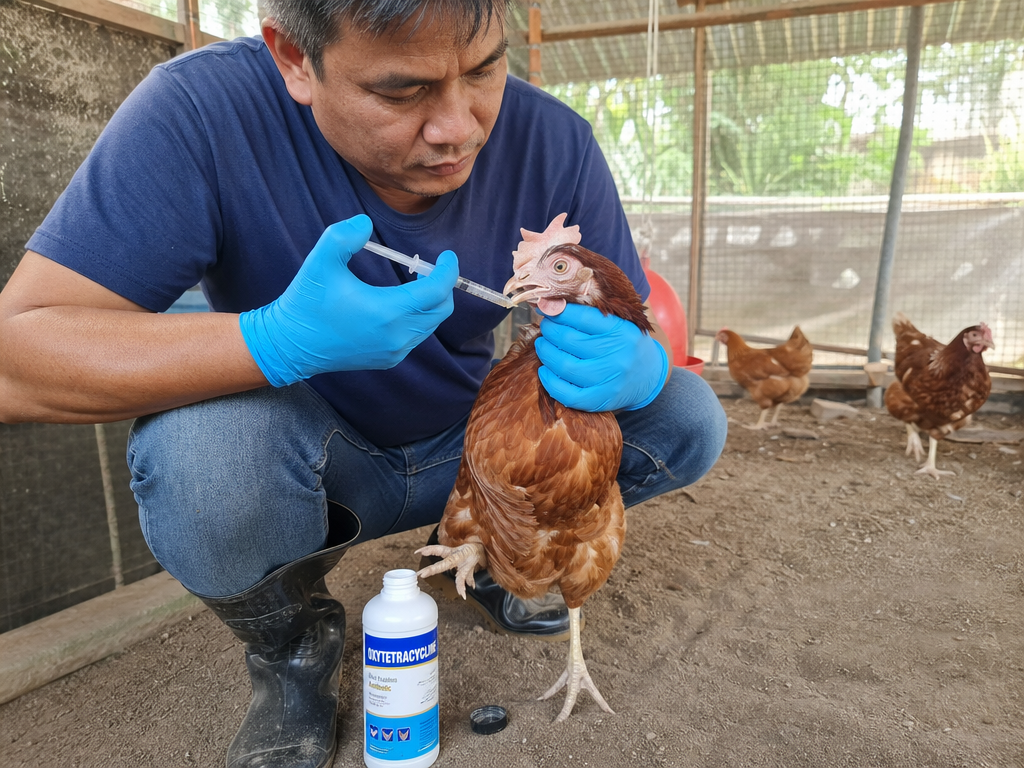
Antibiotic use during acute outbreaks: While not the regulatory management tool, sulfonamides (sulfadimethoxine 0.04% in water for 5-7 days) or tetracyclines (oxytetracycline 200 mg/gallon for 5-7 days) can reduce acute mortality when birds are dying rapidly and the economic or welfare cost of waiting for diagnosis confirmation is unacceptable. Use antibiotic treatment as a bridge to diagnosis and NPIP test-and-cull, not as a substitute. Note that chloramphenicol, historically effective, is not approved for use in food-producing animals in the United States.
Environmental decontamination: After complete depopulation, remove all litter, manure, and organic material from housing. Wash all surfaces with detergent, then disinfect with a phenolic disinfectant (effective against Salmonella) or 2% sodium hydroxide solution. Allow housing to remain empty for a minimum of 4-6 weeks before restocking. Outdoor runs contaminated with S. Gallinarum should rest for 6-12 months or have the top layer of soil removed.
Restock only from tested sources: After achieving clean status, restock only with birds from NPIP Pullorum-Typhoid Clean certified flocks. A single carrier bird can restart the cycle in a cleaned facility.
Natural & Integrative Care for Fowl Typhoid
Fowl typhoid is managed through NPIP test-and-cull protocols; contact your state veterinarian immediately on suspicion.
No effective natural treatment exists for fowl typhoid. This is a regulatory reportable disease requiring contact with state veterinary authorities before any management decisions.
🛡️How Can Fowl Typhoid Be Prevented?
- Participate in NPIP and maintain Pullorum-Typhoid Clean certification. Annual testing is required for exhibition, interstate transport, and sale of hatching eggs in most states.
- Purchase birds only from NPIP Pullorum-Typhoid Clean certified sources. Never introduce birds from auctions or unverified sources.
- Control wild bird access to feed, water, and housing areas. Screen openings and use covered feeders.
- Rodent control: eliminate rodent harborage and food access near poultry areas. Rodents can carry and amplify Salmonella Gallinarum.
- All-in, all-out flock management with complete cleaning and disinfection between flocks prevents cumulative contamination of the environment.
📞When Should I Call a Vet for Fowl Typhoid?
Call your state veterinarian immediately if:
- Adult birds develop anemia, green diarrhea, and sudden deaths at any rate above background mortality.
- WBT or TAT testing reveals positive reactors in any bird.
- Necropsy reveals the characteristic bronze-green liver consistent with S. Gallinarum infection.
❓Fowl Typhoid: Frequently Asked Questions
What is fowl typhoid and how does it differ from Pullorum disease?
Fowl typhoid (Salmonella Gallinarum) primarily kills adult chickens with anemia, green diarrhea, and sudden death. Pullorum disease (S. Pullorum) primarily kills newly hatched chicks with white pasty diarrhea. Both are detected by the same NPIP blood test (Whole Blood Test) and both are federally reportable.
Is fowl typhoid reportable in the US?
Yes. Fowl typhoid (Salmonella Gallinarum) is reportable under the National Poultry Improvement Plan in all 50 US states. Contact your state veterinarian immediately upon suspicion or confirmation. Movement of birds from infected premises is restricted pending investigation.
How does fowl typhoid spread?
S. Gallinarum spreads primarily through fecal contamination of feed, water, and litter in adult flocks. Carrier birds shed the organism intermittently for months after recovery. Wild birds and rodents can serve as environmental reservoirs. Unlike Pullorum, vertical (egg) transmission is less common.
What does fowl typhoid look like at necropsy?
The most distinctive finding is an enlarged, bronze-green or mahogany-colored liver. The spleen is similarly enlarged and discolored. Kidneys are pale and swollen. The color change results from necrotic foci and bile pigment deposition in the organ parenchyma.
Can fowl typhoid be treated with antibiotics?
Antibiotics can reduce acute mortality but do not eliminate the carrier state and are not the regulatory management approach. The NPIP protocol requires test-and-cull of all positive reactors, not antibiotic treatment. Antibiotic use creates resistant carriers that continue to shed and pass testing.
📋Key Points
- ✓Salmonella Gallinarum is a host-adapted, non-motile Salmonella that primarily infects chickens and turkeys, causing clinical disease in adults with low susceptibility in newly hatched chicks.
- ✓Key symptoms: pale, anemic-looking birds with watery green or yellow-green diarrhea, sudden death in apparently healthy adult birds, marked lethargy, weakness, and reduced activity, pale comb and wattles from anemia.
- ✓High mortality in acute outbreaks (10-40%) without intervention. Chronic form causes lower mortality but persistent production losses. Prognosis for flock eradication is good with complete NPIP test-and-cull cycles.
- ✓This condition is contagious, isolate affected birds promptly.
🔗Related
Related Conditions
📚Sources & References
- 1.Pullorum Disease and Fowl Typhoid. Merck Veterinary Manual. 2024
- 2.NPIP - Salmonella Gallinarum. USDA APHIS. 2024
- 3.Fowl Typhoid Control in Backyard Flocks. University of Georgia Extension. 2022