Mycotoxicosis in Chickens: Symptoms, Causes and Prevention
Mycotoxicosis results from consuming feed contaminated with fungal toxins (mycotoxins), primarily aflatoxins, ochratoxin A, T-2 toxin, fumonisin, and zearalenone. These toxins cause dose-dependent damage to the liver, kidneys, immune system, and reproductive organs. The condition is particularly insidious because feed may appear and smell normal despite significant mycotoxin contamination. Prevention through proper feed storage and quality sourcing is the primary control strategy.
Veterinarian Reviewed
FlockVet Veterinary Editorial Team· Reviewed August 2026
This is a veterinary emergency.
If your bird is showing these signs, contact a veterinarian immediately. Do not wait. Time-sensitive conditions can deteriorate rapidly without professional intervention.
At a Glance
- Urgency
- Emergency
- Contagious
- No
- Affects Humans
- No
- Key Symptoms
- poor growth and feed conversion in growing birds (most common early sign), pale or icteric (yellow) combs and mucous membranes from liver damage, increased susceptibility to infections from immune suppression
- Prognosis
- Depends on the toxin type, dose, and duration of exposure. Good if contaminated feed is removed promptly and exposure was short-term. Guarded if liver damage is severe (aflatoxin) or if immunosuppression has allowed secondary infections to establish. Poor prognosis for individual birds with advanced liver or kidney failure from chronic exposure.
📑 On This Pagetap to expand
🔍What Are the Symptoms of Mycotoxicosis (Mold Toxins)?
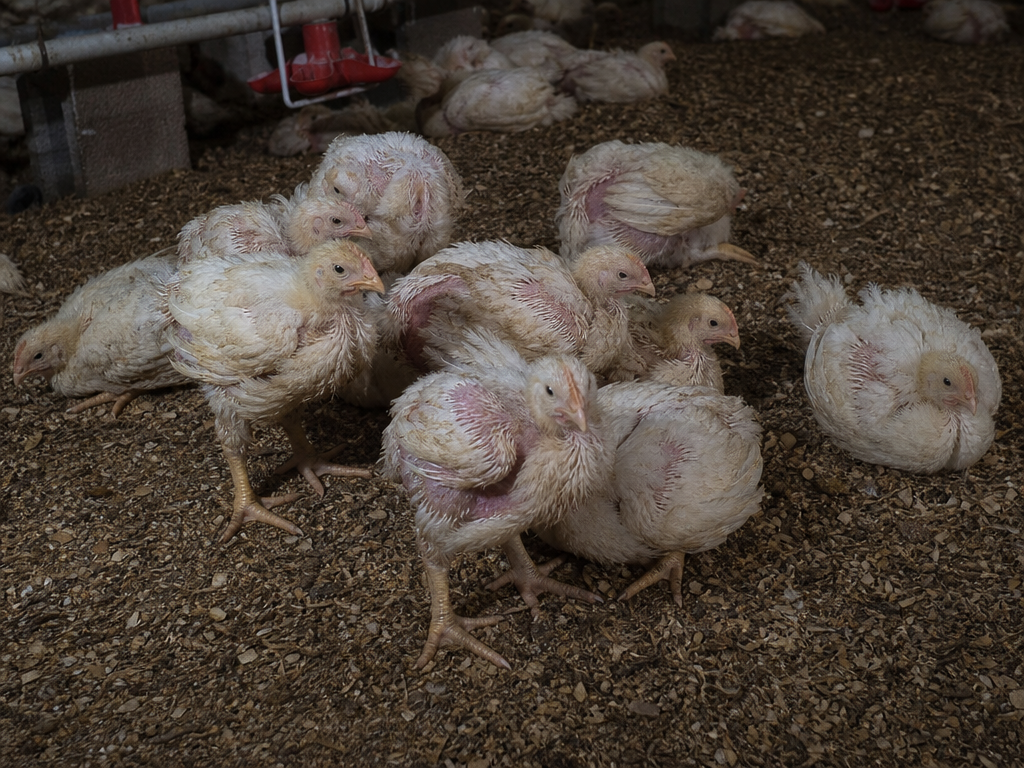
- ●Poor growth and feed conversion in growing birds (most common early sign)
- ●Pale or icteric (yellow) combs and mucous membranes from liver damage
- ●Increased susceptibility to infections from immune suppression
- ●Oral lesions and necrotic mouth ulcers (T-2 toxin)
- ●Diarrhea, poor feathering, and ruffled appearance
- ●Reproductive failure: reduced egg production, poor hatchability
- ●Hemorrhages under skin and in organs (aflatoxin, T-2 toxin)
- ●Nervous signs including incoordination and tremors in severe toxicosis
🧬What Causes Mycotoxicosis (Mold Toxins) in Chickens?
Mycotoxins are produced by mold species that grow on grain and feed ingredients before or after harvest. The most important mycotoxins in poultry production are:
- Aflatoxins (Aspergillus flavus, A. parasiticus): The most hepatotoxic class. Produced in corn, peanuts, and cottonseed during hot, dry field conditions followed by high-moisture storage. Aflatoxin B1 is a potent liver carcinogen and immunosuppressant. Chickens are moderately sensitive; turkeys and ducks are highly sensitive.
- Ochratoxin A (Aspergillus ochraceus, Penicillium verrucosum): Primarily nephrotoxic (kidney damage). Produced in grain stored at high moisture. Causes visceral gout (urate deposits in organs) and immunosuppression in affected flocks.
- T-2 toxin and deoxynivalenol (DON) (Fusarium species): Produced in cool, wet field conditions. T-2 toxin causes oral necrosis, hemorrhage, and severe immune suppression. DON (vomitoxin) causes feed refusal and reduced weight gain.
- Fumonisin (Fusarium verticillioides): Primarily affects neural function and reproduction. Common in corn. Causes leukoencephalomalacia in horses; poultry show reduced performance and immune compromise.
- Zearalenone (Fusarium species): Estrogenic mycotoxin causing reproductive disruption. Causes bursitis, enlarged bursa of Fabricius, and proventricular enlargement in chickens.
🔬How Is Mycotoxicosis (Mold Toxins) Diagnosed?
Mycotoxicosis should be suspected when performance declines gradually and non-specifically in a flock, especially if a new feed lot was recently introduced.
- Feed history: When did the decline start relative to a new feed delivery? Inspect the feed for visible mold, unusual odor, or excessive moisture. Note that most mycotoxins are invisible and odorless - normal-appearing feed can still be highly toxic.
- Differential approach: Rule out infectious causes (Newcastle, IBD, Marek's) before concluding mycotoxicosis. Mycotoxicosis typically affects the whole flock uniformly and does not spread the way infectious diseases do.
- Feed testing: Commercial ELISA kits and HPLC analysis can quantify aflatoxins, DON, and ochratoxin in feed samples. Submit a mixed sample from multiple bag locations for representative results. Most state diagnostic labs offer feed mycotoxin testing.
- Necropsy: Pale, fatty, enlarged liver with petechiae (aflatoxin); pale, swollen kidneys with visceral urate deposits (ochratoxin); oral necrotic plaques (T-2 toxin) are characteristic findings.
💊How Is Mycotoxicosis (Mold Toxins) Treated?
There is no antidote for mycotoxicosis. The primary treatment is removing the contaminated feed and supporting recovery.
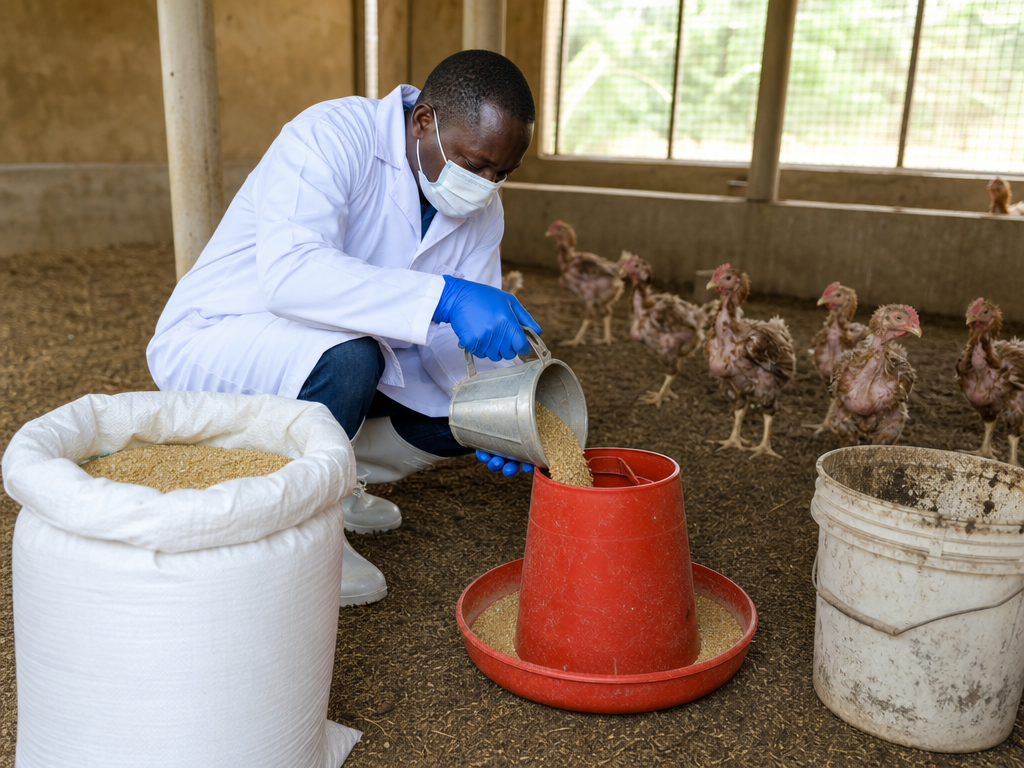
Remove the feed: Immediately remove and discard all suspect feed. Clean feeders thoroughly. Introduce a new, tested feed from a different source. This is the single most important intervention.
Toxin binders in feed: Activated clay minerals (bentonite, sepiolite, HSCAS) and sequestering agents (cholestyramine, yeast cell wall products with beta-glucans and mannans) bind mycotoxins in the gastrointestinal tract and reduce absorption. These are added at 0.1-0.5% of feed weight for prevention and acute management.
Liver support: Milk thistle (silymarin) at 200-400 mg per kg of feed has hepatoprotective activity in several species and is used as a feed additive during aflatoxin recovery. B vitamins, especially riboflavin, support hepatic detoxification.
Vitamin E and selenium: These antioxidants protect cell membranes from mycotoxin-induced oxidative damage. Supplement at 3-5x maintenance levels during recovery from T-2 toxin or aflatoxin exposure.
Natural & Integrative Care for Mycotoxicosis (Mold Toxins)
Removing contaminated feed is the only effective intervention; mycotoxin binders and nutritional support aid recovery but cannot overcome ongoing toxin exposure.
Natural supportive approaches complement feed removal as the primary intervention.
Activated charcoal (1-2g/kg body weight): Broad-spectrum adsorbent that reduces mycotoxin absorption. Most effective when given within hours of exposure, less useful for chronic ongoing exposure.
Vitamin C supplementation: 250-500 mg per gallon of drinking water supports liver detoxification and immune function during mycotoxin recovery.
Probiotics: Some Lactobacillus strains degrade mycotoxins enzymatically in the gut. Probiotic supplementation during recovery supports gut wall integrity damaged by mycotoxins.
🛡️How Can Mycotoxicosis (Mold Toxins) Be Prevented?
- Purchase feed from reputable suppliers with testing programs. Ask for a certificate of analysis showing mycotoxin levels in the most recent lot. Most commercial feed mills test for aflatoxins and DON routinely.
- Store feed in sealed, dry, pest-proof containers. Mold requires moisture to grow. Feed stored above 13% moisture or in conditions with condensation will develop mycotoxin-producing mold within weeks.
- Never use feed beyond its best-by date. Old feed, even if stored properly, accumulates oxidative damage that accelerates mold growth when temperature or humidity changes.
- Inspect every bag before use. Visible mold, unusual odor, caking, or excessive fine powder are warning signs. Discard suspect bags even if the cost seems high - treatment is more expensive than prevention.
- Use a commercial mycotoxin binder (clay-based or yeast cell wall) continuously in regions with high aflatoxin or Fusarium risk (Southeast US, corn belt), particularly during summer and fall when field moisture and temperature conditions favor mold growth.
📞When Should I Call a Vet for Mycotoxicosis (Mold Toxins)?
Consult a veterinarian if:
- Flock-wide decline in growth, feed conversion, or egg production follows a new feed lot. Submit the feed for mycotoxin testing before making management changes.
- You find pale, enlarged livers with petechiae at necropsy. This pattern warrants emergency feed testing and replacement while awaiting results.
- Mortality increases after switching feeds and you cannot identify an infectious cause through standard diagnostic workup.
❓Mycotoxicosis (Mold Toxins): Frequently Asked Questions
What is mycotoxicosis in chickens?
Mycotoxicosis results from eating feed contaminated with mold toxins (mycotoxins) such as aflatoxins, ochratoxin, T-2 toxin, fumonisin, or zearalenone. These toxins damage the liver, kidneys, immune system, and reproductive organs. The feed often looks and smells normal. Removing the contaminated feed is the only effective treatment.
How do I know if my chicken feed has mycotoxins?
You often cannot tell by looking or smelling. Contaminated feed appears normal in most cases. The clues are flock-level: gradual decline in growth or egg production after a new feed lot arrives, increased disease susceptibility, or unusual pale or yellow combs. Commercial ELISA kits and feed laboratory testing can confirm mycotoxin levels.
What mycotoxins are most dangerous for chickens?
Aflatoxin B1 is the most hepatotoxic and immunosuppressive, produced in corn and peanuts. T-2 toxin causes oral necrosis and severe immune suppression. Ochratoxin A damages kidneys and causes visceral gout. All are produced by different mold species under different moisture and temperature conditions.
How do you prevent mycotoxins in chicken feed?
Store feed in sealed, dry containers away from moisture and pests. Use feed before its best-by date. Purchase from suppliers with mycotoxin testing programs. In high-risk regions, add a mycotoxin binder (clay mineral or yeast cell wall product) to feed continuously. Inspect every bag before use and discard anything that smells unusual or shows visible mold.
Can mycotoxins in chicken feed affect humans who eat the eggs or meat?
Aflatoxin M1 is excreted in milk and eggs from animals consuming aflatoxin-contaminated feed. Regulatory agencies set maximum allowed levels in feed and food products. Consuming eggs or meat from backyard flocks exposed to mycotoxins poses low but non-zero risk, particularly for aflatoxins. Using high-quality tested feed minimizes any transfer.
📋Key Points
- ✓Mycotoxins are produced by mold species that grow on grain and feed ingredients before or after harvest.
- ✓Key symptoms: poor growth and feed conversion in growing birds (most common early sign), pale or icteric (yellow) combs and mucous membranes from liver damage, increased susceptibility to infections from immune suppression, oral lesions and necrotic mouth ulcers (t-2 toxin).
- ✓Depends on the toxin type, dose, and duration of exposure. Good if contaminated feed is removed promptly and exposure was short-term. Guarded if liver damage is severe (aflatoxin) or if immunosuppression has allowed secondary infections to establish. Poor prognosis for individual birds with advanced liver or kidney failure from chronic exposure.
🔗Related
Related Conditions
📚Sources & References
- 1.Mycotoxicosis in Poultry. Merck Veterinary Manual. 2024
- 2.Mycotoxins in Poultry Feed. PubMed / Poultry Science. 2017
- 3.Aflatoxin in Poultry Feeds. University of Georgia Extension. 2020