Fatty Liver Hemorrhagic Syndrome (FLHS) in Chickens: Symptoms, Causes and Treatment
Fatty liver syndrome in chickens is a metabolic disorder in which excessive fat makes the liver enlarged, fragile, and prone to fatal hemorrhage. It mainly affects high-producing, overweight hens fed energy-dense diets and may cause reduced laying, pale combs, weakness, or sudden death. Management focuses on balanced nutrition, weight control, exercise, and veterinary assessment of sick hens.
Veterinarian Reviewed
FlockVet Veterinary Editorial Team· Reviewed January 2026
At a Glance
- Urgency
- Moderate
- Contagious
- No
- Affects Humans
- No
- Key Symptoms
- sudden death with no prior obvious signs, hen found dead in apparent good body condition, pale or yellowish comb before death
- Prognosis
- Fatal for hens that experience liver rupture. Excellent for hens identified at the risk stage (overweight, declining production) where dietary correction can reverse fat accumulation before rupture.
📑 On This Pagetap to expand
🔍What Are the Symptoms of Fatty Liver Hemorrhagic Syndrome (FLHS)?
- ●Sudden death with no prior obvious signs
- ●Hen found dead in apparent good body condition
- ●Pale or yellowish comb before death
- ●Reduced egg production in the weeks preceding
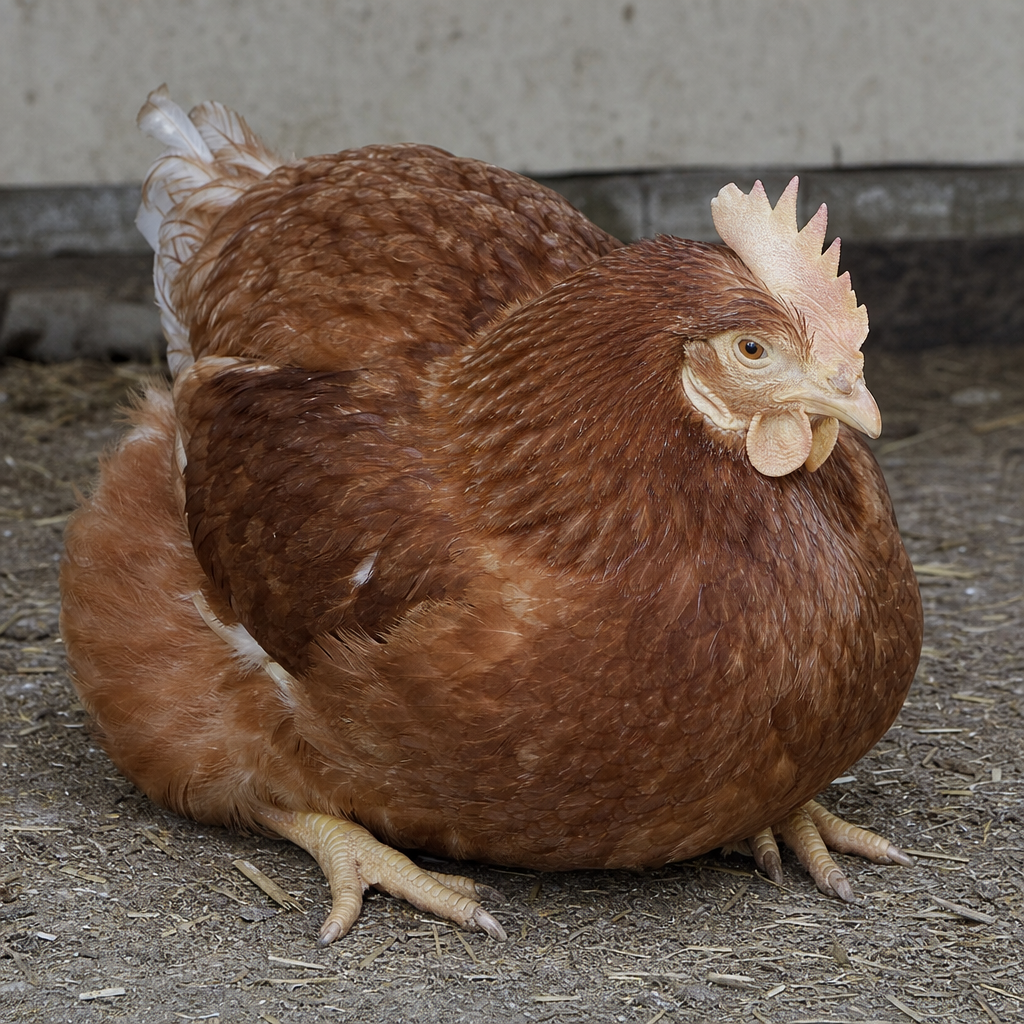
- ●Overweight body condition in laying hens
- ●Lethargy before collapse
- ●Abdominal distension (blood from liver rupture)
🧬What Causes Fatty Liver Hemorrhagic Syndrome (FLHS) in Chickens?
FLHS results from excessive energy intake relative to energy expenditure, causing fat deposition in the liver:
- High-energy diet: Excess scratch grains, cracked corn, and high-carbohydrate treats deposit fat in liver tissue
- Confinement without exercise: Hens that cannot free-range burn fewer calories, accumulating fat
- High production genetics: High-production breeds (Red Sex Links, ISA Browns, Leghorns) are under genetic pressure to convert feed to eggs, creating metabolic vulnerability
- Hot weather reducing activity: Inactive hens in summer gain weight
- Vitamin E and selenium deficiency: Both protect the liver against oxidative damage from fat accumulation
🔬How Is Fatty Liver Hemorrhagic Syndrome (FLHS) Diagnosed?
💊How Is Fatty Liver Hemorrhagic Syndrome (FLHS) Treated?
There is no acute treatment for liver rupture - it is fatal. For hens showing early signs (weight gain, egg production decline, pale comb):
- Reduce dietary energy: cut scratch grains completely, switch to standard layer pellets
- Increase exercise: increase run space or free-range time
- Vitamin E (200 IU per bird) and selenium supplementation: protects liver from oxidative damage
- Methionine supplementation: the amino acid methionine is required for fat export from the liver
- Choline supplementation: supports hepatic fat metabolism
Natural & Integrative Care for Fatty Liver Hemorrhagic Syndrome (FLHS)
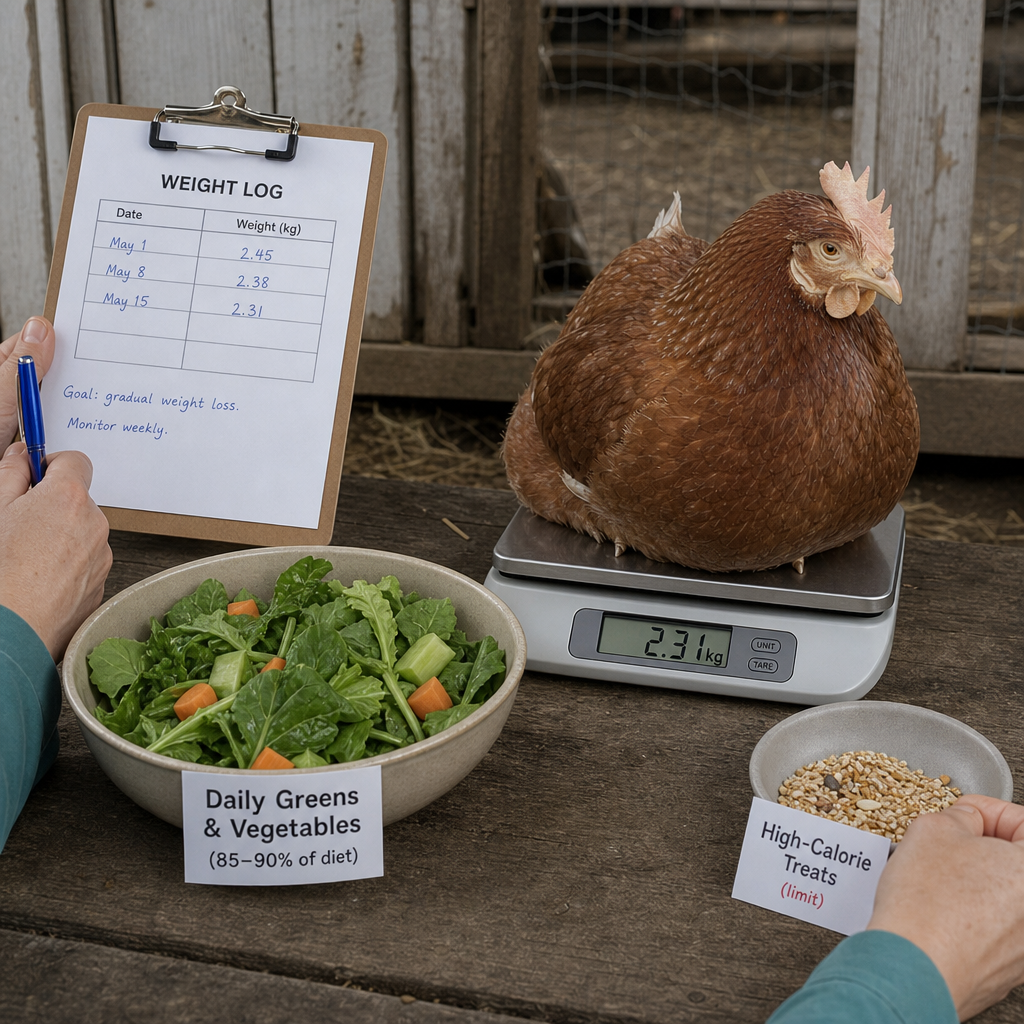
FLHS is a diet and management disease - natural intervention (milk thistle, leafy greens, reduced scratch, exercise) directly addresses all root causes. Prevention is entirely achievable.
Milk thistle (silymarin): The most evidence-supported natural liver protectant available. Silymarin has documented hepatoprotective, anti-inflammatory, and antioxidant effects in the liver. Add milk thistle powder to feed at 0.5-1% of feed weight. This is appropriate for any flock with known FLHS risk.
Leafy greens: Kale, Swiss chard, dandelion, and spinach are high in choline, vitamin E, and antioxidants that support hepatic fat metabolism. Add fresh greens daily as a significant portion of diet.
Reduce scratch grains: The most important dietary intervention. Scratch should be less than 5% of diet for confined hens, less than 10% for free-range birds. This single change prevents the majority of FLHS cases.
Vitamin E-rich foods: Sunflower seeds, wheat germ, spinach. Vitamin E is the primary antioxidant protecting liver cells from damage during fat accumulation.
Exercise and foraging: Free-range access for minimum 4 hours daily significantly reduces FLHS incidence. Movement burns the calories that would otherwise be stored in the liver.
Photo needed
Natural remedies for Fatty Liver Hemorrhagic Syndrome (FLHS), milk-thistle, vitamin-e, selenium shown together
16/9🛡️How Can Fatty Liver Hemorrhagic Syndrome (FLHS) Be Prevented?
- Limit scratch grains to less than 10% of total diet
- Free-range or large run access for daily exercise
- Milk thistle in feed for high-production breeds preventively
- Fresh greens daily: kale, dandelion, spinach
- Vitamin E and selenium supplementation for confined flocks
- Monitor body condition monthly - lay hens should have defined keel bone, not buried in fat
📞When Should I Call a Vet for Fatty Liver Hemorrhagic Syndrome (FLHS)?
Call a vet if:
- Multiple hens are dying suddenly in apparent good condition - post-mortem is valuable to confirm FLHS and rule out infectious disease
- You want confirmation of diagnosis in a live bird
❓Fatty Liver Hemorrhagic Syndrome (FLHS): Frequently Asked Questions
What is fatty liver syndrome in chickens?
Fatty liver hemorrhagic syndrome (FLHS) is a metabolic disorder where excess fat accumulates in the liver, causing it to become enlarged and fragile. The liver may rupture and cause fatal internal bleeding, often with no prior warning signs. It primarily affects high-production laying hens fed high-energy diets.
What causes fatty liver syndrome in chickens?
The primary cause is excessive energy intake relative to activity level - typically from high-calorie feeds, excessive scratch or treats, and limited ranging. High estrogen levels in peak-production hens stimulate fat synthesis. Genetics, obesity, and heat stress all contribute.
How do you prevent fatty liver syndrome in chickens?
Prevention focuses on diet management: avoid overfeeding scratch and high-energy treats, ensure balanced layer feed, encourage exercise through free ranging, and maintain body condition scoring. Supplementing with choline, biotin, and vitamin B12 supports liver health.
📋Key Points
- ✓FLHS results from excessive energy intake relative to energy expenditure, causing fat deposition in the liver: High-energy diet: Excess scratch grains, cracked corn, and high-carbohydrate treats deposit fat in liver tissue Confinement without exercise: Hens that cannot free-range burn fewer calories, accumulating fat High production genetics: High-production breeds (Red Sex Links, ISA Browns, Leghorns) are under genetic pressure to convert feed to eggs, creating metabolic vulnerability Hot weather reducing activity: Inactive hens in summer gain weight Vitamin E and selenium deficiency: Both protect the liver against oxidative damage from fat accumulation
- ✓Key symptoms: sudden death with no prior obvious signs, hen found dead in apparent good body condition, pale or yellowish comb before death, reduced egg production in the weeks preceding.
- ✓Fatal for hens that experience liver rupture. Excellent for hens identified at the risk stage (overweight, declining production) where dietary correction can reverse fat accumulation before rupture.
🔗Related
Related Conditions
Natural Remedies & Supplements
📚Sources & References
- 1.Fatty Liver Hemorrhagic Syndrome in Poultry. Merck Veterinary Manual. 2024
- 2.Nutritional Diseases of Poultry. Merck Veterinary Manual. 2024