Mycoplasma Synoviae in Chickens: Symptoms, Causes and Treatment
Mycoplasma synoviae (MS) causes two distinct syndromes in chickens: infectious synovitis (joint swelling and lameness from synovial membrane infection) and upper respiratory tract disease (mild, often subclinical). MS is also increasingly associated with eggshell apex abnormalities, reducing hatching egg quality. It is transmitted vertically through eggs and horizontally through respiratory secretions. Antibiotics manage but do not eliminate infection.
Veterinarian Reviewed
FlockVet Veterinary Editorial Team· Reviewed August 2026
At a Glance
- Urgency
- Moderate
- Contagious
- Yes
- Affects Humans
- No
- Key Symptoms
- swollen, hot hock joints, wing joints, or footpad bursa, lameness ranging from slight limping to inability to walk, pale, stunted birds reluctant to move to feed or water
- Prognosis
- Good for individual birds with mild synovitis treated promptly with antibiotics. Recovery of full locomotion is typical within 2-3 weeks of treatment. Chronic cases with severe joint damage may have permanent lameness. Prognosis for elimination from the flock is poor without a complete depopulation and replacement with tested MS-free stock.
📑 On This Pagetap to expand
🔍What Are the Symptoms of Mycoplasma Synoviae?
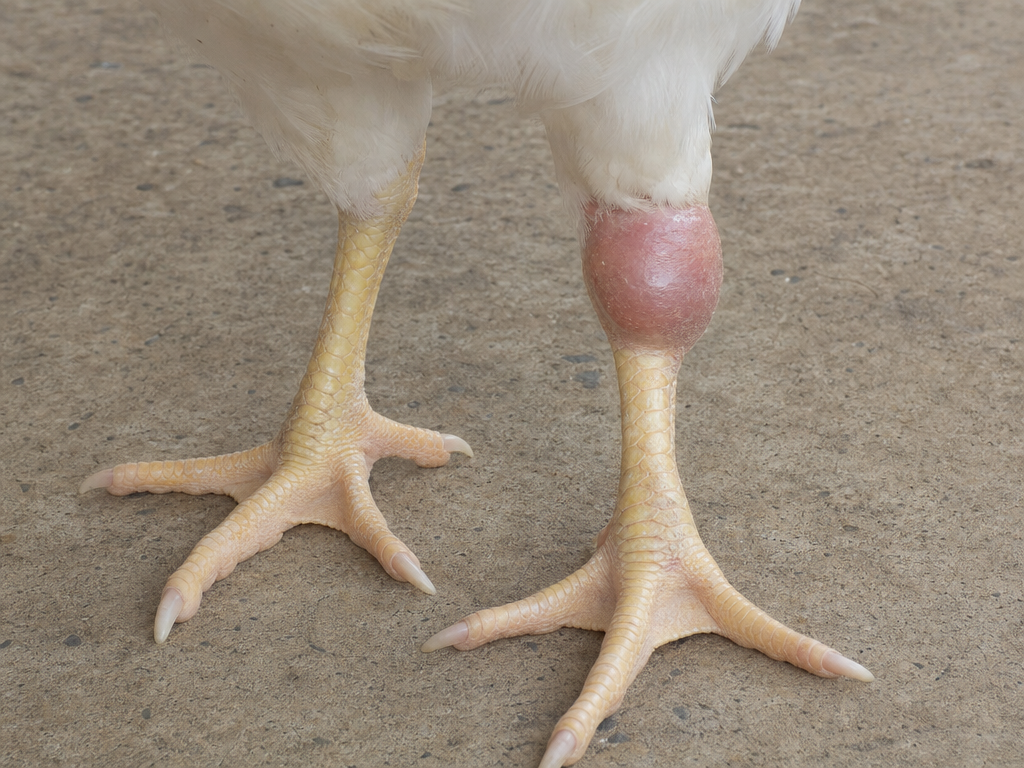
- ●Swollen, hot hock joints, wing joints, or footpad bursa
- ●Lameness ranging from slight limping to inability to walk
- ●Pale, stunted birds reluctant to move to feed or water
- ●Creamy white exudate in affected joint spaces
- ●Eggshell apex abnormalities: thin, rough, or discolored band at the tip of the egg
- ●Mild upper respiratory signs (sneezing, nasal discharge) in some strains
- ●Weight loss from reduced feed access in lame birds
- ●Increased susceptibility to secondary infections
🧬What Causes Mycoplasma Synoviae in Chickens?
Mycoplasma synoviae is a small, wall-less bacterium that evades many common antibiotics and is naturally resistant to beta-lactams (penicillin, amoxicillin).
- Vertical transmission: MS infects the ovary and oviduct, contaminating eggs before shell formation. Infected chicks hatch and can develop synovitis from this maternally acquired infection when stressed.
- Respiratory horizontal spread: MS spreads between birds through respiratory secretions (aerosol and contact). Flock-level seroprevalence can reach 90%+ in commercial operations.
- Stress triggers: Concurrent infections, vaccination reactions, temperature stress, or dietary deficiencies can activate latent MS infection into clinical synovitis. Many birds carry MS subclinically until a stressor precipitates joint disease.
- Eggshell apex abnormality: Certain MS strains (particularly the "MS-H" strain and some European isolates) infect the uterus and deposit material at the egg apex during the final stage of shell formation, creating the characteristic thin, pale band at the pointed end of the egg.
🔬How Is Mycoplasma Synoviae Diagnosed?
Swollen, creamy exudate-filled joints in growing or adult chickens, especially hock joints, are the classic MS synovitis presentation.
- Joint aspiration: The creamy white exudate from affected joints is pathognomonic for MS synovitis. Culture of joint fluid on PPLO media grows Mycoplasma within 7-14 days.
- Serology (ELISA, HI test): Detects MS antibodies in the flock. Seroconversion confirms exposure. Used for flock-level surveillance and breeder flock monitoring.
- PCR: Rapid, sensitive detection of MS from joint fluid, respiratory swabs, or reproductive tract samples. Can differentiate MS from M. gallisepticum.
- Eggshell apex QC: Candling or visual inspection of hatching eggs for apex abnormalities can trigger MS investigation in breeder flocks.
💊How Is Mycoplasma Synoviae Treated?
Antibiotics suppress MS infection and reduce clinical signs but do not eliminate the organism from the flock. Treated birds remain carriers.
Tylosin (drug of choice): Tylosin phosphate 50-100 mg/gallon in drinking water for 5-7 days provides good MS suppression. Repeat courses may be needed when clinical signs recur under stress.
Oxytetracycline: 200-400 mg/gallon in water for 5-7 days as an alternative to tylosin. Also effective against Mycoplasma species.
Tiamulin: 250 mg/gallon for 3-5 days is highly effective against MS and may produce longer remissions than tylosin. Requires a veterinary prescription in the US.
Enrofloxacin: Under veterinary prescription for fluoroquinolone-sensitive isolates. Reserve for cases where first-line options fail.
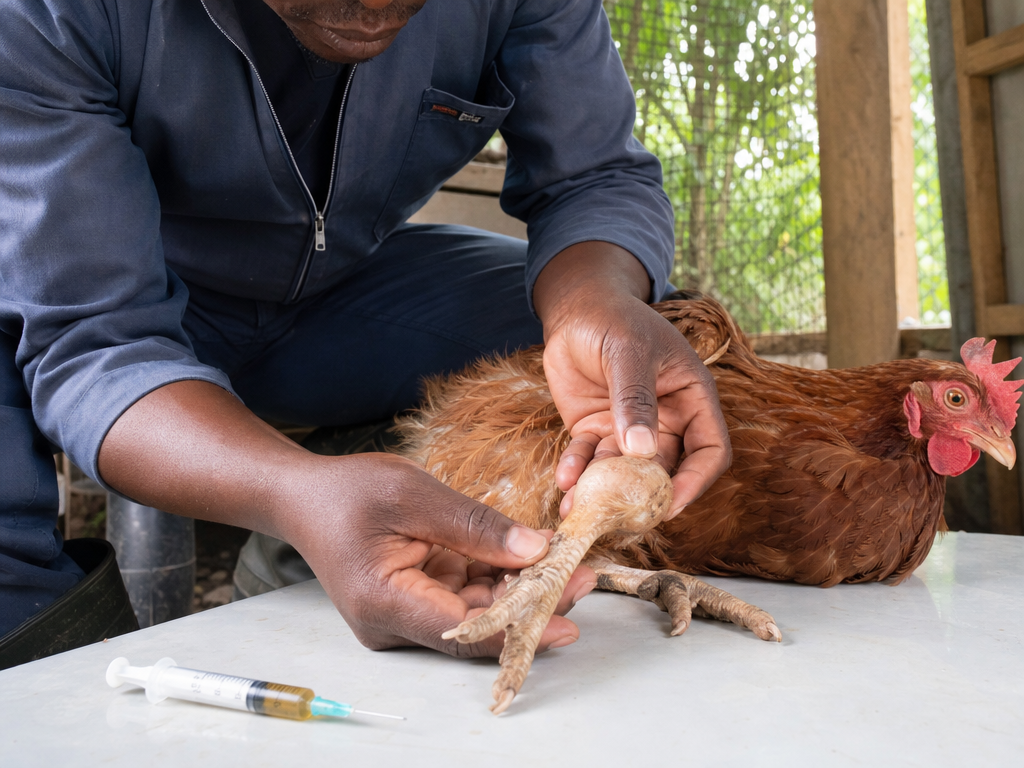
Physical management of synovitis: In individual pet birds, joint aspiration to remove the creamy exudate combined with antibiotic treatment provides rapid relief. Provide soft bedding and easy food and water access to prevent secondary starvation in lame birds.
Natural & Integrative Care for Mycoplasma Synoviae
Tylosin or tiamulin reduces MS clinical signs and maintains flock performance, but cannot eliminate the carrier state; long-term management requires stress reduction and periodic antibiotic courses.
Natural approaches provide supportive benefit but do not adequately control MS infection.
Anti-inflammatory diet support: Turmeric (1/4 tsp per bird daily in feed) and omega-3-rich feed ingredients (flaxseed, fish meal) have mild anti-inflammatory properties that may reduce joint swelling comfort in affected birds while antibiotic treatment takes effect.
Vitamin E and selenium: Support immune function and reduce oxidative damage in inflamed joint tissue. Supplement at 2-3x maintenance during active synovitis.
🛡️How Can Mycoplasma Synoviae Be Prevented?
- Source birds from MS-free or MS-monitored breeder flocks. Ask for serology records (ELISA negative). MS-free flocks require regular testing to maintain certification.
- Vaccinate with live MS vaccine (available in some countries) to reduce colonization rates and vertical transmission in breeder flocks.
- Minimize stressors that activate latent MS infection: maintain optimal temperature, avoid overcrowding, and keep vaccination schedules current to prevent concurrent infections that trigger synovitis outbreaks.
- All-in, all-out management and thorough disinfection between flocks. MS survives poorly in the environment and is susceptible to standard disinfectants, making thorough cleaning effective at reducing flock-to-flock carryover.
📞When Should I Call a Vet for Mycoplasma Synoviae?
Consult a veterinarian if:
- Multiple birds develop joint swelling and lameness. Joint aspiration and culture will confirm MS vs. other causes (Staphylococcus, viral arthritis) and guide antibiotic selection.
- Antibiotic treatment with tylosin does not reduce lameness within 7-10 days. Resistance testing or alternative antibiotic selection may be needed.
- You notice eggshell apex abnormalities in a laying flock. MS testing of the flock is indicated, particularly if the flock produces hatching eggs.
❓Mycoplasma Synoviae: Frequently Asked Questions
What is Mycoplasma synoviae in chickens?
Mycoplasma synoviae (MS) is a wall-less bacterium that infects the joints (causing swelling and lameness) and upper respiratory tract of chickens. It also causes eggshell apex abnormalities in infected layers. It spreads vertically through eggs and horizontally through respiratory secretions. Antibiotics manage but do not eliminate infection.
How do you treat Mycoplasma synoviae in chickens?
Tylosin phosphate at 50-100 mg/gallon of water for 5-7 days is the most commonly used first-line treatment. Tiamulin is highly effective and may produce longer remissions. Oxytetracycline is an alternative. Treatment reduces signs but does not eliminate MS from the flock; carriers remain infectious.
Is Mycoplasma synoviae the same as Mycoplasma gallisepticum?
No. They are distinct Mycoplasma species with different primary manifestations. M. gallisepticum (MG) primarily causes chronic respiratory disease (sneezing, nasal discharge, air sacculitis). M. synoviae (MS) primarily causes joint disease (synovitis, lameness) and eggshell defects. Both can occur together and both are managed with similar antibiotics.
What causes the swollen joints in Mycoplasma synoviae?
MS bacteria colonize the synovial membranes lining the joints, triggering an inflammatory response that fills the joint space with a creamy white exudate. The hock joint, wing joints, and foot pad bursae are most commonly affected. The exudate is visible on joint aspiration and is the most reliable field diagnostic sign.
Can Mycoplasma synoviae spread to humans?
No. Mycoplasma synoviae is not a human pathogen. It is specific to chickens and some other poultry species. There is no zoonotic risk from handling infected birds or their eggs with normal hygiene precautions.
📋Key Points
- ✓Mycoplasma synoviae is a small, wall-less bacterium that evades many common antibiotics and is naturally resistant to beta-lactams (penicillin, amoxicillin).
- ✓Key symptoms: swollen, hot hock joints, wing joints, or footpad bursa, lameness ranging from slight limping to inability to walk, pale, stunted birds reluctant to move to feed or water, creamy white exudate in affected joint spaces.
- ✓Good for individual birds with mild synovitis treated promptly with antibiotics. Recovery of full locomotion is typical within 2-3 weeks of treatment. Chronic cases with severe joint damage may have permanent lameness. Prognosis for elimination from the flock is poor without a complete depopulation and replacement with tested MS-free stock.
- ✓This condition is contagious, isolate affected birds promptly.
🔗Related
Related Conditions
📚Sources & References
- 1.Mycoplasmosis in Poultry - Synoviae. Merck Veterinary Manual. 2024
- 2.Mycoplasma synoviae Infection in Poultry. PubMed / Avian Pathology. 2015
- 3.Eggshell Apex Abnormalities and Mycoplasma synoviae. PubMed / Avian Diseases. 2016