Mycoplasma in Chickens (MG and MS) in Chickens: Symptoms, Causes and Treatment
Mycoplasma gallisepticum (MG) and Mycoplasma synoviae (MS) are the two most economically important mycoplasma infections in backyard and commercial poultry. MG causes chronic respiratory disease with rattling, nasal discharge, and eye swelling. MS causes infectious synovitis with swollen joints. Both establish lifelong carrier status in the flock.
Veterinarian Reviewed
FlockVet Veterinary Editorial Team· Reviewed August 2026
At a Glance
- Urgency
- Moderate
- Contagious
- Yes
- Affects Humans
- No
- Key Symptoms
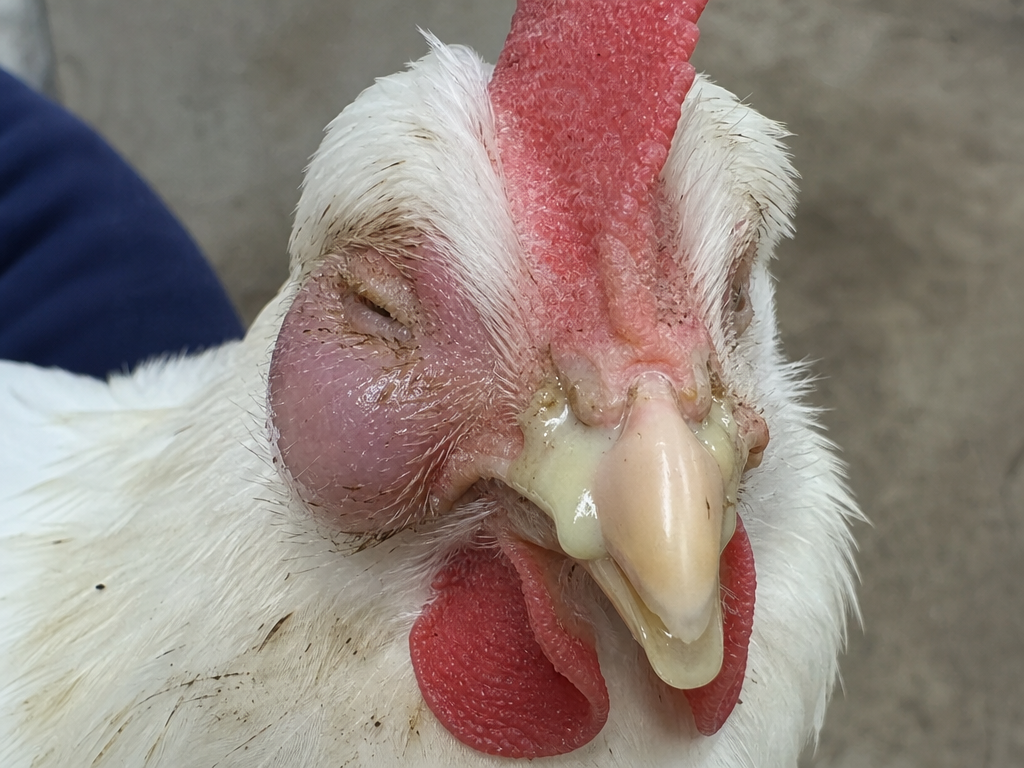
- rattling or gurgling breathing sounds, nasal discharge - clear to cloudy, foamy, watery eye discharge (mg signature)
- Prognosis
- MG/MS are lifelong conditions - the flock remains positive indefinitely once infected. With antibiotic treatment, clinical signs resolve within 5-10 days and birds resume normal laying. Flare-ups recur with each major stressor. Commercial farms depopulate MG-positive flocks; backyard keepers manage carriers with periodic antibiotic courses and stress reduction.
📑 On This Pagetap to expand
🔍What Are the Symptoms of Mycoplasma in Chickens (MG and MS)?
- ●Rattling or gurgling breathing sounds
- ●Nasal discharge - clear to cloudy
- ●Foamy, watery eye discharge (MG signature)
- ●Swollen sinuses - facial swelling under the eyes
- ●Reduced egg production and quality
- ●Swollen hock joints (MS - synovitis form)
- ●Creamy breast blister fluid (MS)
- ●Lethargy and reduced feed consumption during flare-ups
🧬What Causes Mycoplasma in Chickens (MG and MS) in Chickens?
Mycoplasma is a bacteria-like organism without a cell wall, making it resistant to many common antibiotics. Once established in a flock, it is nearly impossible to eliminate.
- Direct contact with infected birds: MG and MS spread through respiratory secretions, nasal discharge, and eye discharge. A single carrier bird can infect an entire flock within weeks.
- Vertical transmission (egg): Infected hens pass mycoplasma into the egg, infecting chicks before they hatch. This is how commercially sourced chicks from non-NPIP flocks introduce mycoplasma silently.
- Stress activation: Many birds carry mycoplasma subclinically for months or years. Environmental stress - cold snaps, new flock additions, poor ventilation - triggers active disease in carriers.
- Contaminated equipment: Mycoplasma survives briefly on equipment, clothing, and surfaces. Biosecurity breaks between flocks allow transmission.
🔬How Is Mycoplasma in Chickens (MG and MS) Diagnosed?
MG is strongly suspected when multiple birds show foamy eye discharge with respiratory sounds. Confirmation requires testing.
- Clinical diagnosis: Foamy eye discharge + rattling breathing + facial swelling in multiple birds = MG until proven otherwise.
- Serology (blood test): Rapid plate agglutination (RPA) test detects MG and MS antibodies. Available through state veterinary labs. Results in 24-48 hours.
- PCR swab: Most sensitive test. Choanal or cloacal swabs sent to a diagnostic lab. Distinguishes MG from MS and other respiratory pathogens.
- NPIP testing: Birds enrolled in the National Poultry Improvement Plan are tested regularly for both MG and MS.
💊How Is Mycoplasma in Chickens (MG and MS) Treated?
Antibiotics suppress MG/MS but do not eliminate the organism. Treated birds remain carriers for life.
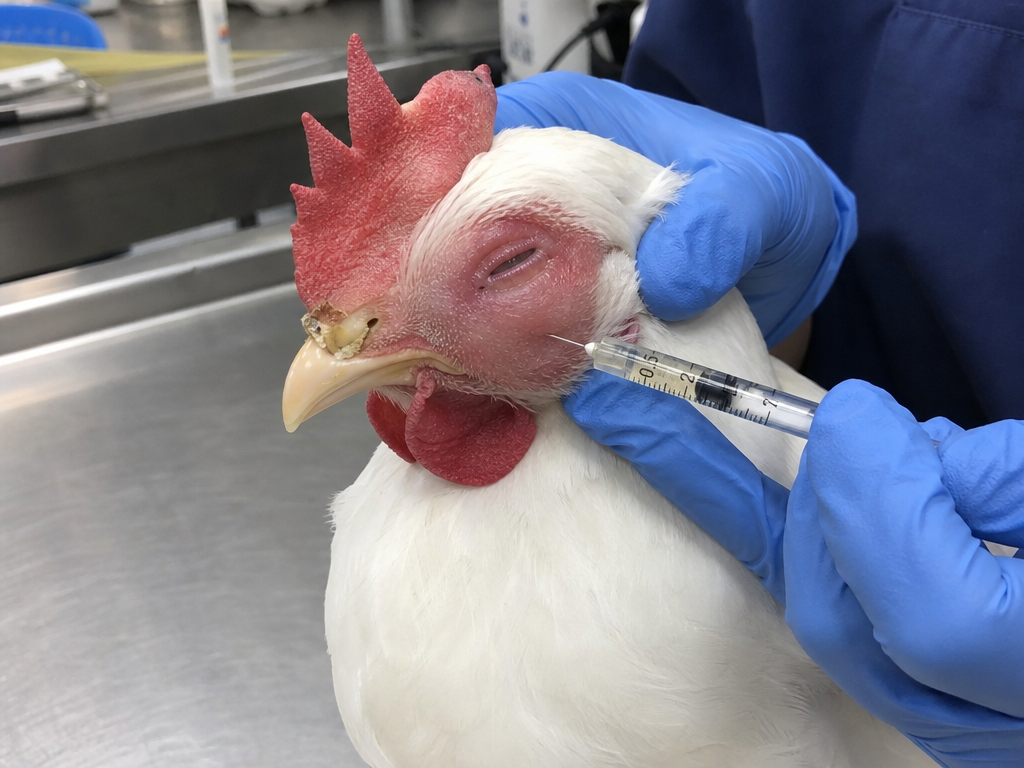
- Tylosin (Tylan 50): 0.5 mL IM once daily for 5 days, or Tylan 50 added to water at label dose. Most commonly used first-line treatment. 14-day egg withdrawal.
- Doxycycline: 25 mg/kg orally daily for 5-7 days. Effective for both MG and MS. Available as water-soluble powder. Egg withdrawal: 7 days.
- Enrofloxacin (Baytril): Prescription only. 10 mg/kg once daily for 5-7 days. Reserve for severe cases due to resistance concerns. Not approved for layer hens.
- Treat the full flock: All birds are considered exposed and should be treated simultaneously to reduce shedding.
Natural & Integrative Care for Mycoplasma in Chickens (MG and MS)
Natural options reduce stress-related flare-ups but cannot clear mycoplasma.
- Ventilation improvement: High ammonia triggers mycoplasma flare-ups. Improving airflow and reducing litter moisture reduces active disease frequency.
- Oregano oil: Some studies suggest antimicrobial properties, but evidence for mycoplasma specifically is limited. Add 1 tsp dried oregano per gallon of water as a supportive measure.
- Vitamin C: Supplementing 1 g/gallon of water during stress periods supports immune function and may reduce flare severity.
🛡️How Can Mycoplasma in Chickens (MG and MS) Be Prevented?
Mycoplasma-free flocks require strict biosecurity. Once introduced, MG/MS are nearly impossible to eliminate without depopulation.
- NPIP-certified stock only: Purchase chicks and hatching eggs from National Poultry Improvement Plan certified flocks that are tested MG/MS negative.
- Closed flock policy: Do not add new birds to a flock without a 30-day quarantine and MG/MS testing. One untested bird can destroy a clean flock.
- No sharing equipment: Do not borrow feeders, waterers, or coops from other flocks. Mycoplasma survives briefly on contaminated surfaces.
- Vaccination: Live MG vaccines are available for commercial operations. Not commonly used in backyard flocks due to the risk of spreading vaccine strain.
📞When Should I Call a Vet for Mycoplasma in Chickens (MG and MS)?
Call a vet if multiple birds develop eye swelling and respiratory sounds within 48 hours of each other, if a bird stops eating entirely, if you see open-mouth breathing or blue-tinged comb (oxygen deprivation), or if antibiotic treatment shows no improvement within 72 hours. MG/MS complicated by secondary pathogens requires targeted culture and sensitivity testing.
❓Mycoplasma in Chickens (MG and MS): Frequently Asked Questions
What is Mycoplasma in chickens?
Mycoplasma gallisepticum (MG) is a bacteria-like respiratory pathogen that causes chronic respiratory disease in chickens with rattling breathing, foamy eye discharge, and nasal drip. Once a flock is infected, birds become lifelong carriers. It is the most common infectious respiratory disease in backyard flocks.
How do I know if my chicken has Mycoplasma?
The hallmark signs are foamy, watery discharge from one or both eyes combined with a rattling or gurgling breathing sound. Multiple birds developing these signs within days of each other strongly suggests MG. Confirm with a serology blood test or PCR swab through your state veterinary diagnostic lab.
Can Mycoplasma in chickens be cured?
No. Antibiotic treatment (Tylan, doxycycline) suppresses active disease and reduces shedding, but the organism persists lifelong in the respiratory tract. Treated birds recover from clinical signs and resume laying, but remain carriers that can infect new birds added to the flock. A clean flock requires starting over.
Is Mycoplasma in chickens contagious to other birds?
Yes, highly contagious to other chickens, turkeys, and pheasants. MG spreads through respiratory secretions, eye discharge, and hatching eggs. It does not spread to mammals or humans. Strict quarantine of new birds and separate equipment are essential to prevent introduction into a clean flock.
What antibiotic treats Mycoplasma in chickens?
Tylosin (Tylan 50) is the most commonly used treatment - 0.5 mL by injection once daily for 5 days, or in drinking water at label dose. Doxycycline at 25 mg/kg daily for 5-7 days is an effective oral alternative. Both have egg withdrawal periods. Enrofloxacin (Baytril) is reserved for prescription use in severe cases.
📋Key Points
- ✓Mycoplasma is a bacteria-like organism without a cell wall, making it resistant to many common antibiotics.
- ✓Key symptoms: rattling or gurgling breathing sounds, nasal discharge - clear to cloudy, foamy, watery eye discharge (mg signature), swollen sinuses - facial swelling under the eyes.
- ✓MG/MS are lifelong conditions - the flock remains positive indefinitely once infected. With antibiotic treatment, clinical signs resolve within 5-10 days and birds resume normal laying. Flare-ups recur with each major stressor. Commercial farms depopulate MG-positive flocks; backyard keepers manage carriers with periodic antibiotic courses and stress reduction.
- ✓This condition is contagious, isolate affected birds promptly.
🔗Related
Related Conditions
📚Sources & References
- 1.Mycoplasmosis in Poultry. Merck Veterinary Manual. 2024
- 2.Mycoplasma gallisepticum Infection in Poultry. USDA APHIS. 2023
- 3.Respiratory Disease Management in Backyard Flocks. University of Georgia Extension. 2022