Air Sacculitis in Chickens: Symptoms, Causes and Treatment
Air sacculitis is inflammation and infection of the air sacs, the large transparent membrane-lined spaces that connect to the lungs and allow air flow through the bird's respiratory system. It is almost always a secondary condition: Mycoplasma gallisepticum or infectious bronchitis virus damages the air sac lining, then E. coli or other bacteria colonize the compromised sacs. Treatment targets both the primary pathogen and the secondary bacterial infection.
Veterinarian Reviewed
FlockVet Veterinary Editorial Team· Reviewed August 2026
At a Glance
- Urgency
- Moderate
- Contagious
- Yes
- Affects Humans
- No
- Key Symptoms
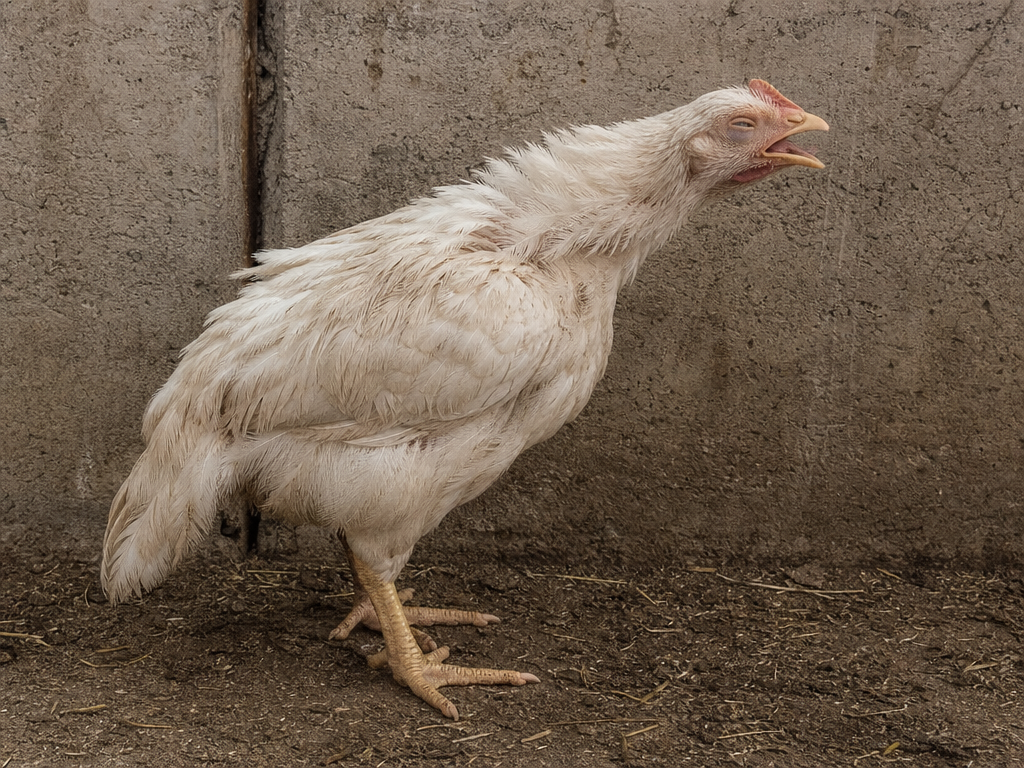
- rattling, gurgling, or crackling sounds during breathing (the primary clinical sign), open-mouth breathing and labored respiration in severe cases, reduced activity, hunched posture, and fluffed feathers
- Prognosis
- Good with early treatment and environmental correction. Mortality is low in otherwise healthy flocks. Birds with severe, established air sacculitis (thick cheesy exudate filling multiple sacs) have a guarded prognosis for full respiratory recovery even with appropriate antibiotics. Chronic air sacculitis from inadequate treatment or persistent Mycoplasma infection causes ongoing production losses.
📑 On This Pagetap to expand
🔍What Are the Symptoms of Air Sacculitis?
- ●Rattling, gurgling, or crackling sounds during breathing (the primary clinical sign)
- ●Open-mouth breathing and labored respiration in severe cases
- ●Reduced activity, hunched posture, and fluffed feathers
- ●Nasal discharge and sneezing preceding air sac signs
- ●Pale comb from reduced oxygen exchange
- ●Reduced egg production in layers
- ●Poor growth and feed conversion in broilers
- ●White to yellow cheesy exudate in air sacs visible at necropsy
🧬What Causes Air Sacculitis in Chickens?
Air sacculitis is the result of a two-hit process: a primary pathogen damages the air sac epithelium, then secondary opportunistic bacteria colonize the compromised tissue.
- Primary pathogens: Mycoplasma gallisepticum (MG) is the most common primary agent, damaging the ciliated epithelium of the air sac lining and impairing mucociliary clearance. Infectious Bronchitis Virus (IBV) and Newcastle Disease Virus can also initiate the same process. Immunosuppression from IBD or CIA removes the immune defense that would normally prevent colonization.
- Secondary bacterial pathogens: E. coli (most common) colonizes the damaged air sac lining and produces the cheesy exudate that characterizes advanced air sacculitis. Pasteurella, Hemophilus, and Salmonella can also be involved as secondary invaders.
- The "complicated chronic respiratory disease" syndrome: The combination of MG + E. coli air sacculitis is the most economically important respiratory syndrome in commercial poultry worldwide and is now considered a standard pathological unit.
- Environmental stress amplification: High ammonia levels, poor ventilation, dust, and temperature extremes dramatically worsen both the primary Mycoplasma infection and the secondary E. coli colonization of damaged air sacs.
🔬How Is Air Sacculitis Diagnosed?
Rattling breath sounds on auscultation or simply at rest are the hallmark sign of air sacculitis. Necropsy confirms the diagnosis.
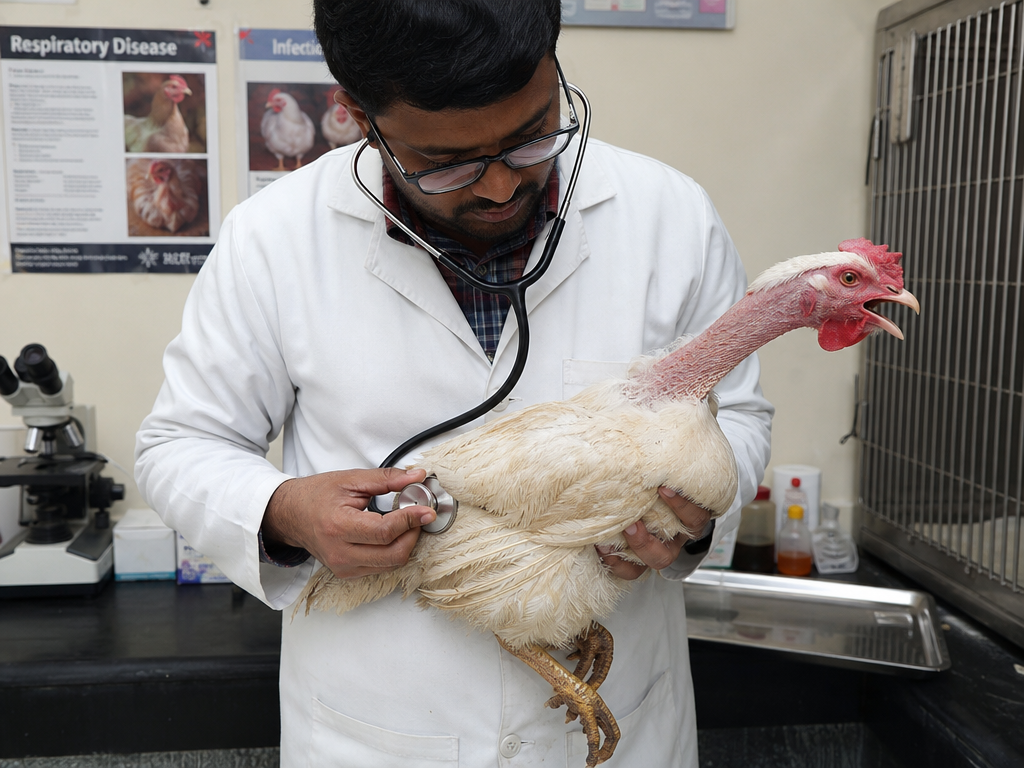
- Physical exam: Hold the bird quietly and listen for rattling, gurgling, or clicking sounds with each breath. In severe cases, breathing sounds are audible without any instrument.
- Auscultation: A stethoscope placed over the syrinx (junction of trachea and bronchi, at the sternum base) reveals rattling or crackling sounds in affected birds.
- Necropsy: Air sacs are normally transparent and paper-thin. In air sacculitis, they are opaque, thickened, and contain yellow to white cheesy exudate. The extent (anterior vs. all sacs) indicates severity and chronicity.
- Culture and sensitivity: E. coli from air sac exudate should be tested for antibiotic sensitivity. E. coli resistance patterns vary by region and previous antibiotic exposure history.
💊How Is Air Sacculitis Treated?
Treatment must address both the primary pathogen (Mycoplasma or virus) and the secondary bacterial infection (usually E. coli).
For Mycoplasma-associated air sacculitis: Tylosin 50-100 mg/gallon for 5-7 days, or tiamulin 250 mg/gallon for 3-5 days. These target MG as the primary pathogen.
For secondary E. coli: Enrofloxacin (under veterinary prescription) or trimethoprim-sulfamethoxazole targets gram-negative secondary bacteria. Sensitivity testing guides drug selection as fluoroquinolone resistance is increasing.
Combination therapy: In severe outbreaks, tylosin (or tiamulin) plus a fluoroquinolone or tetracycline simultaneously addresses both the primary Mycoplasma and the secondary E. coli.
Environmental management: Reducing ammonia to below 25 ppm, increasing ventilation, and reducing stocking density are the most impactful supportive measures. High ammonia is both a cause and a perpetuator of air sacculitis.
Natural & Integrative Care for Air Sacculitis
Air sacculitis requires dual treatment targeting both the Mycoplasma primary infection and secondary E. coli, combined with ammonia reduction and ventilation improvement.
Environmental improvement is the most important natural intervention for air sacculitis.
Ammonia reduction: Fresh litter, proper ventilation, and reduced stocking density lower ammonia levels that damage the respiratory epithelium. This is the single most impactful action beyond antibiotics.
Oregano oil: Added to water (3-5 drops per gallon), carvacrol has some in vitro activity against E. coli and Mycoplasma. Used as an adjunct during recovery, not a replacement for targeted antibiotics in established air sacculitis.
🛡️How Can Air Sacculitis Be Prevented?
- Vaccinate against Mycoplasma gallisepticum using live F-strain or ts-11 vaccine at the appropriate age. MG vaccination significantly reduces air sacculitis incidence by preventing the primary predisposing infection.
- Vaccinate against Newcastle disease and infectious bronchitis on schedule. These viruses initiate the same air sac damage as MG and set up the same secondary E. coli colonization.
- Maintain litter quality and ventilation. Ammonia above 25 ppm directly damages the respiratory epithelium. Check ammonia at bird level, not the doorway, where levels are always lower.
- Avoid overcrowding. Stocking density above recommendations concentrates respiratory pathogens and reduces ventilation per bird.
📞When Should I Call a Vet for Air Sacculitis?
Consult a veterinarian if:
- You hear rattling breath sounds in multiple birds in the flock. Confirm the diagnosis with auscultation and a necropsy on one bird to assess air sac severity and culture secondary bacteria.
- Treatment with a single antibiotic does not improve respiratory signs within 5-7 days. Combination therapy targeting both Mycoplasma and E. coli may be needed.
- Recurring air sacculitis outbreaks despite treatment. This pattern suggests persistent Mycoplasma in the flock requiring vaccination or flock replacement.
❓Air Sacculitis: Frequently Asked Questions
What is air sacculitis in chickens?
Air sacculitis is infection and inflammation of the air sacs, the large transparent cavities connected to the lungs. Rattling or gurgling breathing is the primary sign. It almost always involves two pathogens: Mycoplasma gallisepticum (primary) that damages the air sac lining, then E. coli (secondary) that colonizes the damaged tissue. Treatment targets both organisms.
What causes rattling breathing in chickens?
Rattling breathing in chickens is most commonly caused by air sacculitis, where the air sacs fill with mucus and cheesy exudate from infection. The sound is caused by air moving through partially obstructed air passages. Mycoplasma gallisepticum is the most common primary cause. High ammonia and poor ventilation are major contributing factors.
How do you treat air sacculitis in chickens?
Treatment targets both the primary pathogen (usually Mycoplasma, treated with tylosin or tiamulin) and secondary E. coli (treated with enrofloxacin or trimethoprim-sulfa). Environmental improvements, especially ammonia reduction through fresh litter and better ventilation, are essential supportive measures alongside antibiotics.
Is air sacculitis contagious?
The primary pathogens (Mycoplasma gallisepticum, IBV) are highly contagious through respiratory droplets. Air sacculitis as a syndrome spreads when susceptible unvaccinated birds are exposed to these primary pathogens. Once Mycoplasma is in a flock, it spreads to all birds. Good biosecurity and vaccination are the key preventive measures.
How do you prevent air sacculitis in chickens?
Vaccinate against Mycoplasma gallisepticum, Newcastle disease, and infectious bronchitis. Maintain litter quality and ventilation to keep ammonia below 25 ppm at bird level. Avoid overcrowding. Source birds from Mycoplasma-clean certified flocks where possible.
📋Key Points
- ✓Air sacculitis is the result of a two-hit process: a primary pathogen damages the air sac epithelium, then secondary opportunistic bacteria colonize the compromised tissue.
- ✓Key symptoms: rattling, gurgling, or crackling sounds during breathing (the primary clinical sign), open-mouth breathing and labored respiration in severe cases, reduced activity, hunched posture, and fluffed feathers, nasal discharge and sneezing preceding air sac signs.
- ✓Good with early treatment and environmental correction. Mortality is low in otherwise healthy flocks. Birds with severe, established air sacculitis (thick cheesy exudate filling multiple sacs) have a guarded prognosis for full respiratory recovery even with appropriate antibiotics. Chronic air sacculitis from inadequate treatment or persistent Mycoplasma infection causes ongoing production losses.
- ✓This condition is contagious, isolate affected birds promptly.
🔗Related
Related Conditions
📚Sources & References
- 1.Air Sacculitis in Poultry. Merck Veterinary Manual. 2024
- 2.Complicated Chronic Respiratory Disease in Broilers. PubMed / Avian Diseases. 2018
- 3.Respiratory Disease Management in Poultry. University of Georgia Extension. 2021