Chicken Eye Infection (Conjunctivitis) in Chickens: Symptoms, Causes and Treatment
Eye infections in chickens range from bacterial conjunctivitis to viral disease and Mycoplasma. They present as swollen, watery, or crusty eyes and require prompt treatment to prevent blindness. The most common cause in backyard flocks is Mycoplasma gallisepticum, often triggered by respiratory illness.
Veterinarian Reviewed
FlockVet Veterinary Editorial Team· Reviewed August 2026
At a Glance
- Urgency
- Moderate
- Contagious
- Yes
- Affects Humans
- No
- Key Symptoms
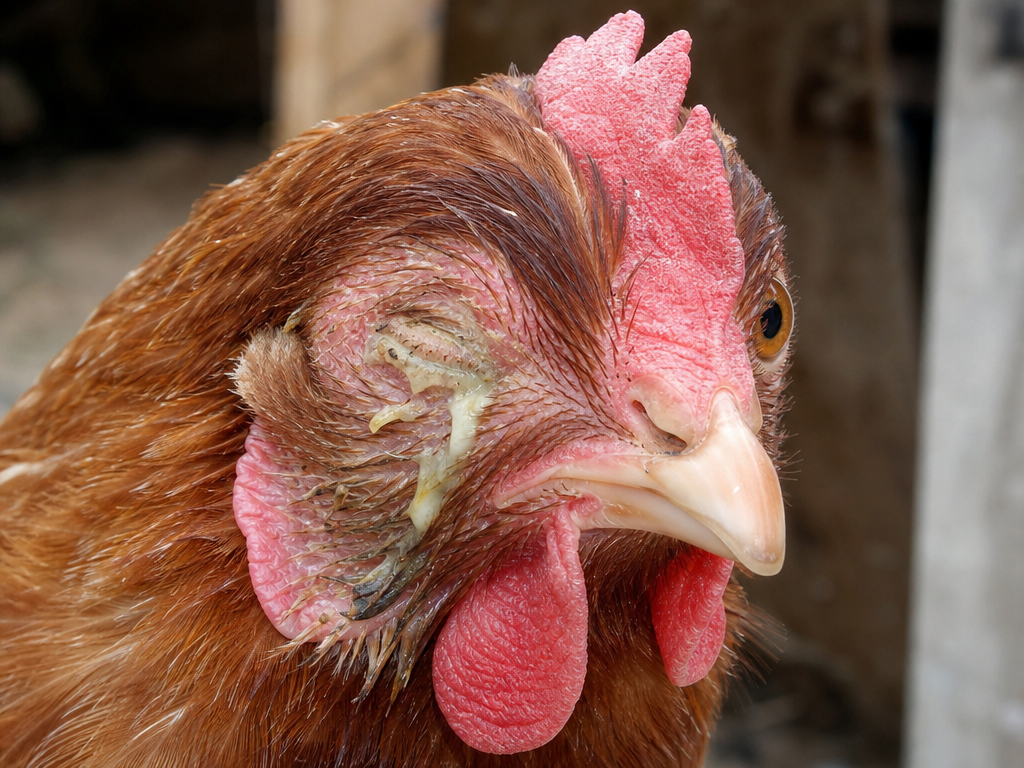
- swollen, puffy eyelids - one or both eyes, watery or thick discharge from the eye, crusting and matting of eyelashes
- Prognosis
- Prognosis is good for single-bird infections caught early. MG is lifelong - birds become permanent carriers after recovery, meaning the flock remains positive indefinitely. Infectious Coryza responds to antibiotics but survivors remain carriers. Cases with corneal opacity (clouding) may result in permanent partial blindness in the affected eye.
📑 On This Pagetap to expand
🔍What Are the Symptoms of Chicken Eye Infection (Conjunctivitis)?
- ●Swollen, puffy eyelids - one or both eyes
- ●Watery or thick discharge from the eye
- ●Crusting and matting of eyelashes
- ●Closed or partially closed eye
- ●Rubbing the eye on the wing or against objects
- ●Cloudy or opaque cornea in severe cases
- ●Reduced appetite due to vision impairment
- ●Concurrent nasal discharge or respiratory sounds
🧬What Causes Chicken Eye Infection (Conjunctivitis) in Chickens?
Chicken eye infections have multiple causes, and identifying the correct one determines the treatment.
- Mycoplasma gallisepticum (most common): MG is the leading cause of eye disease in backyard flocks, producing foamy eye discharge, swelling, and sinusitis alongside respiratory signs. Carriers spread it continuously.
- Ammonia and dust irritation: High ammonia from wet litter or excessive dust causes chemical conjunctivitis with watery eyes in multiple birds simultaneously. No discharge, no crusting - birds recover with improved ventilation.
- Infectious Coryza (Avibacterium paragallinarum): Causes sudden swollen face, foul-smelling nasal discharge, and eye swelling. Spreads rapidly through the flock.
- Vitamin A deficiency: Produces white, cheesy plaques in the mouth and eyes along with chronic respiratory symptoms. Common in flocks on unfortified scratch-only diets.
- Physical injury: Pecking injuries from flockmates, foreign debris in the eye, or wire abrasions cause unilateral (one-sided) infections with no flock spread.
🔬How Is Chicken Eye Infection (Conjunctivitis) Diagnosed?
Start by determining whether one eye or both eyes are affected, and whether other birds are sick.
- One eye only, no flock spread: Likely physical injury or localized infection. Examine carefully for foreign bodies, wounds, or debris.
- Both eyes, multiple birds, respiratory signs: Strongly suggests MG, Coryza, or Newcastle Disease. Isolate and contact a vet.
- Foamy eye discharge: Classic MG sign. Often accompanied by rattling breathing and nasal discharge.
- Watery eyes in whole flock, no discharge: Check ammonia levels and litter moisture first before treating as infection.
- Vet diagnosis: PCR swabs confirm MG vs Coryza vs other causes when multiple birds are affected.
💊How Is Chicken Eye Infection (Conjunctivitis) Treated?
Treatment depends on the underlying cause.
- MG (Mycoplasma): Tylosin (Tylan 50, 0.5 mL IM once daily for 5 days) or doxycycline (25 mg/kg orally daily for 5-7 days). Note egg withdrawal periods apply.
- Infectious Coryza: Sulfonamides (sulfadimethoxine) or doxycycline in water for 5-7 days. Full flock treatment required - all carriers must be treated.
- Topical treatment: Terramycin ophthalmic ointment applied 2-3 times daily can help clear secondary bacterial infection regardless of underlying cause.
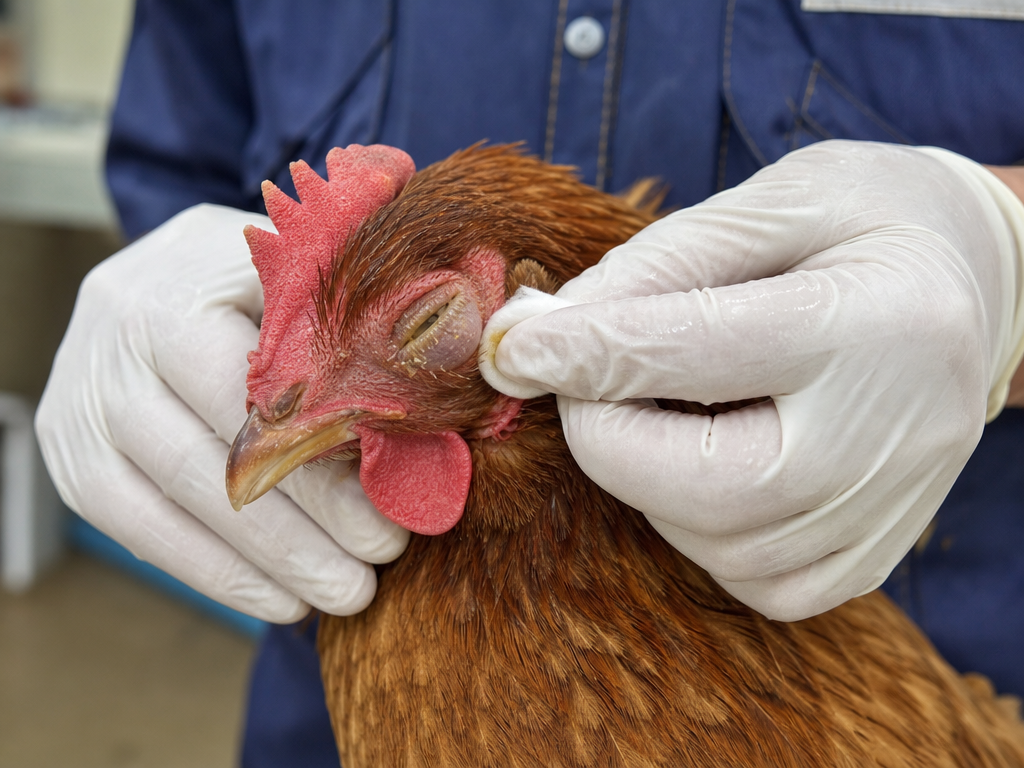
- Clean the eye: Gently flush with saline or warm water and remove all crust before applying ointment. Do not force the eye open.
Natural & Integrative Care for Chicken Eye Infection (Conjunctivitis)
Natural options support recovery but do not eliminate bacterial infections without antibiotics.
- Saline eye wash: Flush the affected eye with sterile saline (1/4 tsp non-iodized salt per cup of boiled, cooled water) 2-3 times daily to remove discharge and debris.
- Ventilation improvement: If ammonia or dust is the cause, improving coop ventilation often resolves the problem without medication within 48-72 hours.
- Vitamin A support: Add vitamin A-rich foods (dark leafy greens, cooked sweet potato) or a poultry vitamin supplement to support immune function and ocular health.
🛡️How Can Chicken Eye Infection (Conjunctivitis) Be Prevented?
Most chicken eye infections are preventable with good biosecurity and coop management.
- Test before adding new birds: Purchase from NPIP-certified flocks and quarantine new arrivals for 30 days before flock integration.
- Maintain dry litter: Wet litter elevates ammonia and creates bacterial breeding grounds. Refresh litter weekly and add lime as needed.
- Adequate ventilation: Keep ammonia levels below 25 ppm (you can smell it at 25 ppm). Cross-ventilation without drafts is ideal.
- Vitamin A in diet: Ensure the flock receives a complete layer pellet - scratch-only diets cause vitamin A deficiency and increase susceptibility to eye infections.
📞When Should I Call a Vet for Chicken Eye Infection (Conjunctivitis)?
Call a vet immediately if the eye is cloudy, the bird cannot open the eye at all, multiple birds develop eye problems within 48 hours, or there is facial swelling with foul-smelling discharge (Coryza). Delay allows permanent corneal damage and flock-wide spread.
❓Chicken Eye Infection (Conjunctivitis): Frequently Asked Questions
What causes eye infections in chickens?
The most common cause is Mycoplasma gallisepticum (MG), a respiratory bacteria that also affects the eyes with foamy discharge and swelling. Other causes include Infectious Coryza, ammonia irritation, Vitamin A deficiency, and physical injury. Single-eye infections are usually injury; both eyes with flock spread suggests an infectious disease.
How do I treat my chicken's swollen eye?
Clean the eye gently with warm saline water, then apply Terramycin ophthalmic ointment 2-3 times daily. If multiple birds are affected or the eye has foamy discharge, the cause is likely Mycoplasma or Coryza and requires antibiotics like Tylan or doxycycline. Improve coop ventilation and litter dryness regardless of cause.
Is chicken eye infection contagious to humans?
Standard chicken eye infections (MG, Coryza, conjunctivitis) are not contagious to humans. Salmonella can rarely be transmitted through contact with infected birds, but eye infections themselves pose no human health risk. Wash hands after handling any sick birds as general biosecurity.
Can a chicken eye infection heal on its own?
Minor ammonia irritation or a small foreign body injury may resolve with improved ventilation and cleaning alone. Bacterial infections from MG or Coryza do not clear without antibiotics and will worsen, potentially causing permanent eye damage. Always treat proactively when discharge or swelling persists beyond 24-48 hours.
What is Terramycin for chickens?
Terramycin is an oxytetracycline ophthalmic ointment available over the counter at farm stores. Applied 2-3 times daily directly to the eye, it treats secondary bacterial infections and is safe for chickens. It treats the eye locally but does not eliminate systemic infections like MG, which require injectable or oral antibiotics.
📋Key Points
- ✓Chicken eye infections have multiple causes, and identifying the correct one determines the treatment.
- ✓Key symptoms: swollen, puffy eyelids - one or both eyes, watery or thick discharge from the eye, crusting and matting of eyelashes, closed or partially closed eye.
- ✓Prognosis is good for single-bird infections caught early. MG is lifelong - birds become permanent carriers after recovery, meaning the flock remains positive indefinitely. Infectious Coryza responds to antibiotics but survivors remain carriers. Cases with corneal opacity (clouding) may result in permanent partial blindness in the affected eye.
- ✓This condition is contagious, isolate affected birds promptly.
🔗Related
Related Conditions
📚Sources & References
- 1.Mycoplasmosis in Poultry. Merck Veterinary Manual. 2024
- 2.Infectious Coryza in Poultry. Merck Veterinary Manual. 2024
- 3.Nutritional Diseases of Poultry. Merck Veterinary Manual. 2024