Lash Egg in Chickens (Salpingitis) in Chickens: Symptoms, Causes and Treatment
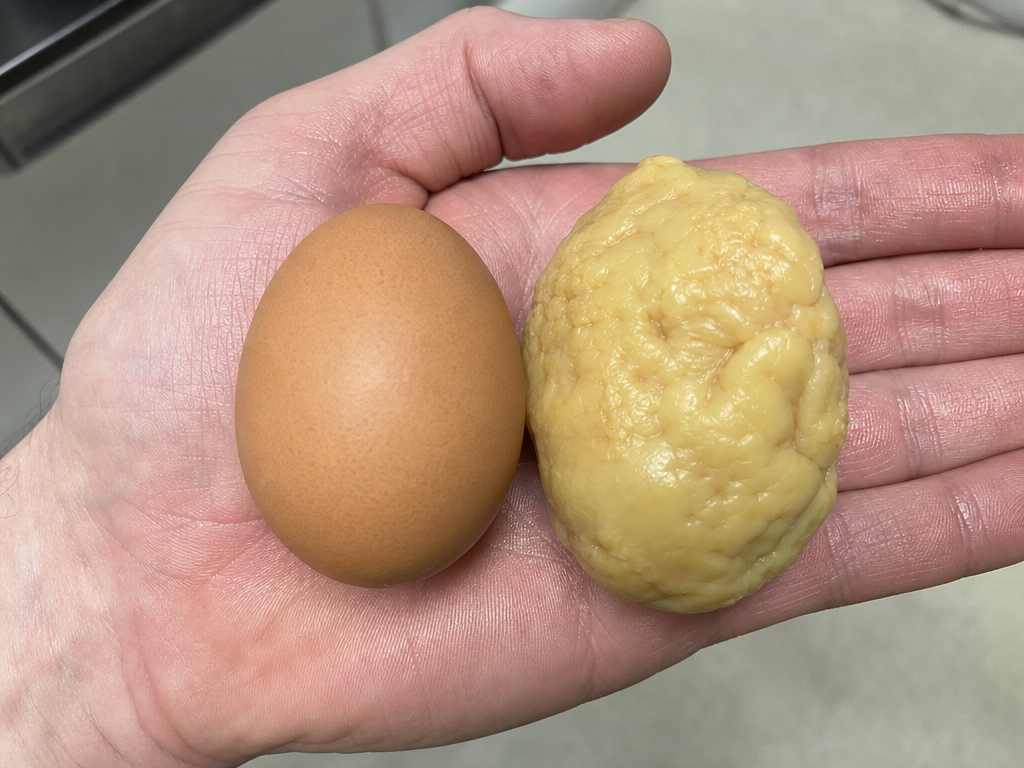
A lash egg is a mass of caseous (cheese-like) material expelled from the oviduct as a result of salpingitis - a bacterial infection of the oviduct. It is not a real egg but a layered mass of inflammatory material, pus, and sometimes yolk or albumen remnants. Finding a lash egg means the hen has an active reproductive tract infection that requires prompt veterinary evaluation.
Veterinarian Reviewed
FlockVet Veterinary Editorial Team· Reviewed August 2026
This is a veterinary emergency.
If your bird is showing these signs, contact a veterinarian immediately. Do not wait. Time-sensitive conditions can deteriorate rapidly without professional intervention.
At a Glance
- Urgency
- Emergency
- Contagious
- No
- Affects Humans
- No
- Key Symptoms
- passing a rubbery, waxy, or layered mass instead of a normal egg, lash material that is yellowish, tan, or orange in color, reduced or stopped egg production
- Prognosis
- Prognosis depends on how far infection has spread. Hens treated early with antibiotics and hormonal implants often live comfortably for 1-3 more years as non-laying birds. Those with peritonitis (infection spread into the abdomen) have a much poorer prognosis regardless of treatment. Many small flock owners elect palliative care over expensive surgery, keeping the hen comfortable until quality of life declines.
📑 On This Pagetap to expand
🔍What Are the Symptoms of Lash Egg in Chickens (Salpingitis)?
- ●Passing a rubbery, waxy, or layered mass instead of a normal egg
- ●Lash material that is yellowish, tan, or orange in color
- ●Reduced or stopped egg production
- ●Lethargy and reduced appetite
- ●Distended or painful abdomen on palpation
- ●Occasional discharge from the vent
- ●Weight loss over time
🧬What Causes Lash Egg in Chickens (Salpingitis) in Chickens?
Lash eggs result from salpingitis - bacterial infection causing the oviduct lining to produce inflammatory exudate instead of normal egg components.
- E. coli infection (most common): E. coli ascending from the cloaca or entering via the bloodstream is the most common bacterial cause. Often follows stress, immune suppression, or concurrent disease.
- Mycoplasma gallisepticum: MG can establish in the reproductive tract and cause chronic salpingitis. Lash eggs from MG infection tend to be associated with other MG signs (respiratory, eye discharge).
- Salmonella and Pasteurella: Both can colonize the oviduct and cause inflammatory salpingitis. Salmonella may be a concurrent finding in flocks with poor biosecurity.
- Reproductive dysfunction and reverse peristalsis: Yolk material that enters the oviduct abnormally can trigger a chronic inflammatory response that produces lash material over time.
🔬How Is Lash Egg in Chickens (Salpingitis) Diagnosed?
Finding a lash egg is the diagnosis - but the lash egg is a symptom, not a disease. The underlying infection must be assessed.
- Examine the lash egg: Cut it open - layers of tan, waxy, cheesy material confirm salpingitis. A foul smell indicates active bacterial infection.
- Physical exam of the hen: Palpate the abdomen for masses, pain, or fluid. Feel for a distended oviduct. A normal hen's abdomen is soft and yielding.
- Vet evaluation: Ultrasound or X-ray can assess the extent of oviduct involvement and whether peritonitis is present. Cultures from vent discharge identify the causative bacteria.
💊How Is Lash Egg in Chickens (Salpingitis) Treated?
Lash eggs indicate serious oviduct infection that often requires antibiotics and sometimes surgery.
- Antibiotics: Broad-spectrum antibiotics (enrofloxacin, amoxicillin, or trimethoprim-sulfa per vet guidance) for 7-14 days. Antibiotic choice should ideally be guided by culture results.
- Hormonal implant (Suprelorin): A GnRH agonist implant stops ovulation, giving the oviduct time to heal. Lasts 6-12 months. Requires a vet. Highly effective for extending quality of life in valuable birds.
- Salpingohysterectomy (surgical removal of oviduct): The definitive treatment. Removes the source of infection and eliminates future laying. Expensive but curative in hens with localized disease.
Natural & Integrative Care for Lash Egg in Chickens (Salpingitis)
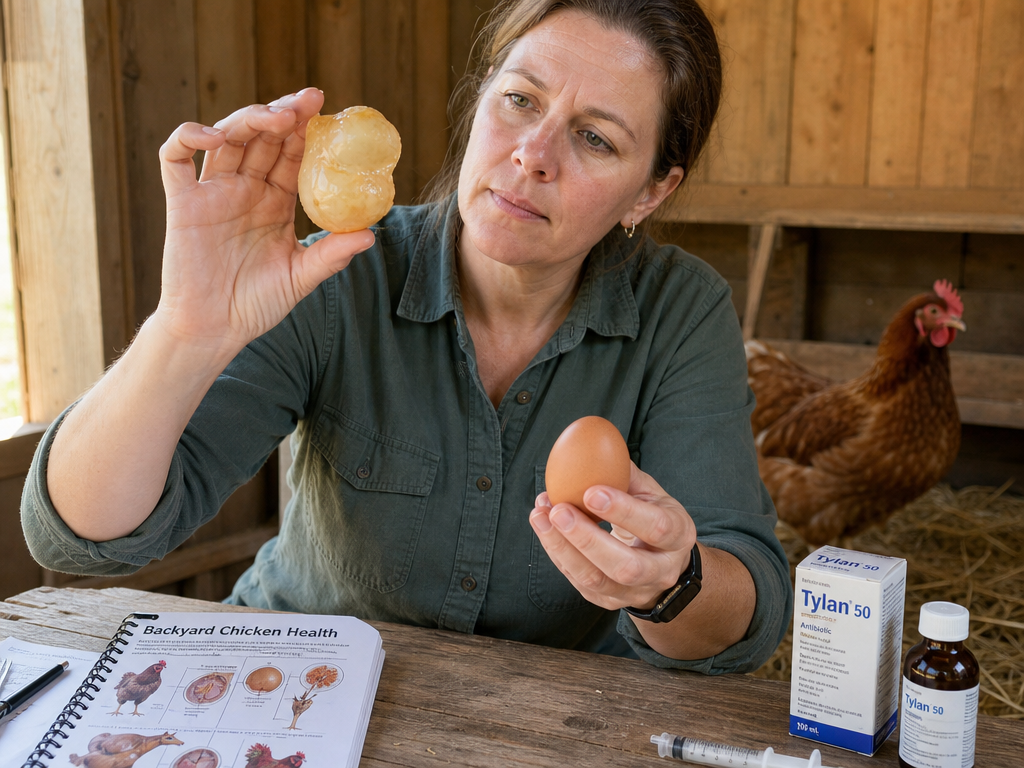
Natural care is supportive only - bacterial salpingitis requires antibiotics to resolve.
- Nutrition support: High-quality feed with added vitamins A and E supports immune function during recovery. Probiotics help maintain gut flora during antibiotic treatment.
- Reduce laying pressure: Reduce artificial light to less than 12 hours daily to slow ovulation naturally, reducing further oviduct trauma.
🛡️How Can Lash Egg in Chickens (Salpingitis) Be Prevented?
Lash eggs are difficult to prevent definitively, but risk factors can be reduced.
- Biosecurity: Prevent MG and E. coli introduction via strict quarantine of new birds and clean equipment protocols.
- Avoid forcing production: Supplemental lighting beyond 16 hours daily overdrives the reproductive system. Maximum 14-15 hours is sufficient for good production without excessive strain.
- Monitor flocks regularly: Weekly palpation of laying hens catches reproductive abnormalities early, before salpingitis progresses to peritonitis.
📞When Should I Call a Vet for Lash Egg in Chickens (Salpingitis)?
Call a vet the same day you find a lash egg. Salpingitis is often well-advanced by the time the first lash egg appears. If the hen is lethargic, has a distended painful abdomen, or has not eaten in 24 hours, this is an emergency - peritonitis may have already developed, which is rapidly fatal without intervention.
❓Lash Egg in Chickens (Salpingitis): Frequently Asked Questions
What is a lash egg?
A lash egg is a mass of caseous (cheese-like) inflammatory material expelled from the oviduct of a hen with salpingitis - a bacterial oviduct infection. It is not a real egg. Cut open, it reveals layers of tan, waxy material, often with pus or yolk remnants. Finding one means your hen has a reproductive tract infection requiring veterinary evaluation.
Is a lash egg serious?
Yes. A lash egg is not a harmless oddity - it indicates active bacterial infection of the oviduct (salpingitis). The infection is often well-advanced by the time the first lash egg is expelled. Without treatment (antibiotics, hormonal implant, or surgery), salpingitis progresses to peritonitis, which is often fatal.
What does a lash egg look like?
A lash egg is a rubbery, waxy, or cheese-like mass ranging from golf ball to orange size. It is typically tan, yellow, or orange and has a layered cross-section when cut open, resembling an onion of inflammatory material. It may have a foul odor from active bacterial infection.
Can a chicken survive salpingitis?
Yes, with treatment. Hens diagnosed early and treated with antibiotics plus a hormonal implant (Suprelorin) to stop ovulation often live comfortably for years as non-layers. Surgical removal of the oviduct is curative in hens with localized disease. Untreated salpingitis progresses to peritonitis and is fatal.
How do I treat a lash egg at home?
You cannot treat salpingitis at home effectively - it requires antibiotics that need a veterinary prescription, and the hen should be examined to assess whether peritonitis has developed. While waiting for a vet appointment, keep the hen warm, offer high-quality feed, and reduce lighting to minimize ovulation pressure on the infected oviduct.
📋Key Points
- ✓Lash eggs result from salpingitis - bacterial infection causing the oviduct lining to produce inflammatory exudate instead of normal egg components.
- ✓Key symptoms: passing a rubbery, waxy, or layered mass instead of a normal egg, lash material that is yellowish, tan, or orange in color, reduced or stopped egg production, lethargy and reduced appetite.
- ✓Prognosis depends on how far infection has spread. Hens treated early with antibiotics and hormonal implants often live comfortably for 1-3 more years as non-laying birds. Those with peritonitis (infection spread into the abdomen) have a much poorer prognosis regardless of treatment. Many small flock owners elect palliative care over expensive surgery, keeping the hen comfortable until quality of life declines.
🔗Related
Related Conditions
📚Sources & References
- 1.Reproductive Disorders in Poultry. Merck Veterinary Manual. 2024
- 2.Salpingitis in Poultry. Merck Veterinary Manual. 2024
- 3.Common Reproductive Problems in Backyard Hens. Merck Veterinary Manual. 2023