Infectious Laryngotracheitis in Chickens: Symptoms, Causes and Vaccination
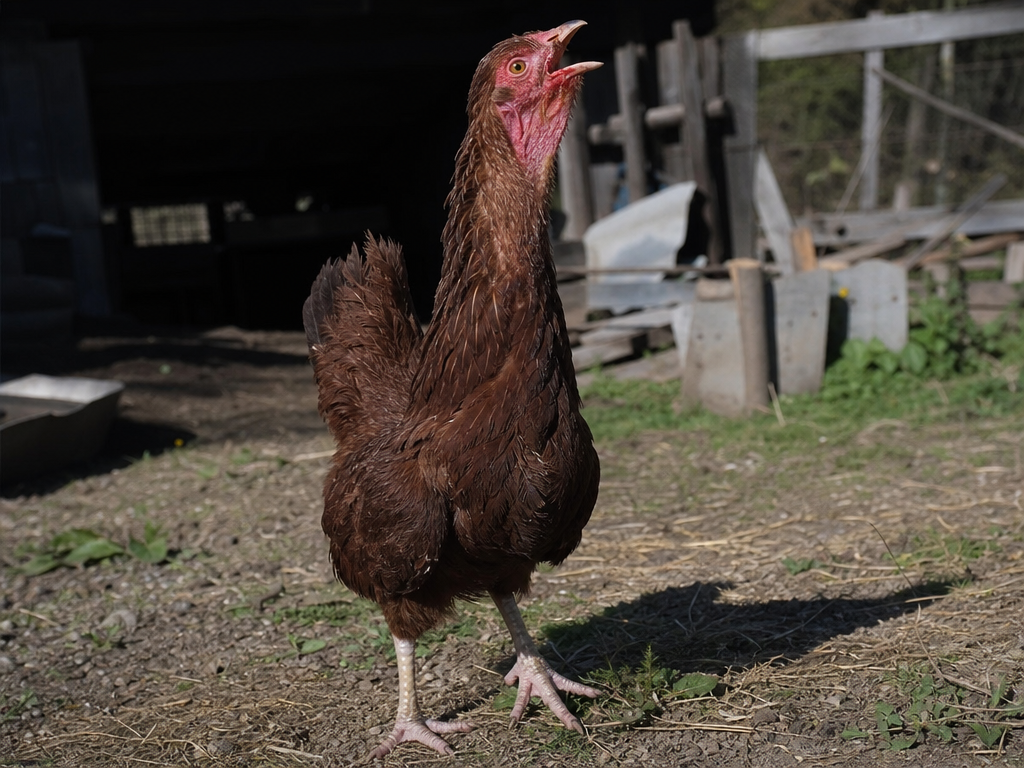
Infectious Laryngotracheitis (ILT) is caused by Gallid herpesvirus 1 and produces severe hemorrhagic tracheitis with gasping, blood-streaked mucus, and characteristic 'pump-handle' breathing as birds attempt to clear obstructed airways. Mortality can reach 70% in susceptible flocks without vaccination. Vaccination is available and effective, but vaccine virus can persist and cause disease in unvaccinated contacts.
Veterinarian Reviewed
FlockVet Veterinary Editorial Team· Reviewed August 2026
This is a veterinary emergency.
If your bird is showing these signs, contact a veterinarian immediately. Do not wait. Time-sensitive conditions can deteriorate rapidly without professional intervention.
At a Glance
- Urgency
- Emergency
- Contagious
- Yes
- Affects Humans
- No
- Key Symptoms
- severe gasping and extension of the neck with each breath (pump-handle breathing), blood-streaked mucus coughed or shaken from the trachea, rattling, gurgling respiratory sounds audible across the coop
- Prognosis
- Highly variable by strain and flock vaccination status. Unvaccinated flocks exposed to virulent field strains: 10-70% mortality. Vaccinated flocks: subclinical to mild signs. Survivors may have permanent tracheal scarring. The ILT virus establishes lifelong latent infection in all exposed birds regardless of clinical outcome.
📑 On This Pagetap to expand
🔍What Are the Symptoms of Infectious Laryngotracheitis?
- ●Severe gasping and extension of the neck with each breath (pump-handle breathing)
- ●Blood-streaked mucus coughed or shaken from the trachea
- ●Rattling, gurgling respiratory sounds audible across the coop
- ●Bright red blood and necrotic tissue in the trachea visible at necropsy
- ●Death from tracheal obstruction by blood and mucus casts
- ●Eye discharge (conjunctivitis) may precede respiratory signs in mild strains
- ●Rapid flock spread (80-100% morbidity within 10 days)
- ●Survivors may have permanent tracheal scarring affecting future respiratory health
🧬What Causes Infectious Laryngotracheitis in Chickens?
Gallid herpesvirus 1 (GaHV-1) replicates in the tracheal and laryngeal mucosa, causing severe hemorrhagic necrosis that obstructs the airway with blood and mucus casts.
- Highly virulent field strains: Field ILT virus causes the classic severe hemorrhagic tracheitis. Mortality rates of 10-70% in susceptible flocks are documented. Once introduced to a region, field virus persists in latent carrier birds indefinitely.
- Vaccine-derived strains: Live ILT vaccines (CEO - chicken embryo origin; TCO - tissue culture origin) can revert to virulence after passage through birds and cause outbreak disease. Vaccine-associated field spread of ILT is a recognized problem, particularly with CEO-type vaccines.
- Latent carriers: Recovered birds harbor ILT virus in the trigeminal ganglia as a latent herpesvirus infection for life. Stress can reactivate virus shedding from carrier birds, introducing ILT to new naive flocks.
- Fomite transmission: ILT virus survives on equipment, clothing, and in the environment for days to weeks. Contaminated vehicles and shared equipment are major transmission routes between premises.
🔬How Is Infectious Laryngotracheitis Diagnosed?
The combination of gasping, blood-streaked mucus, and pump-handle breathing in a flock is the classic ILT presentation and warrants immediate diagnosis.
- Tracheal examination: The trachea of a freshly dead bird shows bright red hemorrhagic mucosa with blood and casts of necrotic tissue. This finding is pathognomonic for ILT.
- PCR: Real-time PCR on fresh tracheal swabs or tissue is the fastest and most sensitive confirmatory test. Also differentiates field virus from vaccine-derived strains.
- Virus isolation: On embryonated eggs or cell culture, ILT virus produces characteristic cytopathic effects. Used for subtyping.
- Reportable in some states: ILT is reportable in several US states. Check with your state veterinarian regarding reporting requirements in your area.
💊How Is Infectious Laryngotracheitis Treated?
There is no specific antiviral treatment for ILT. GaHV-1 is a herpesvirus with no approved poultry antiviral. All management focuses on reducing mortality from secondary infections, airway management, and breaking flock-level transmission.
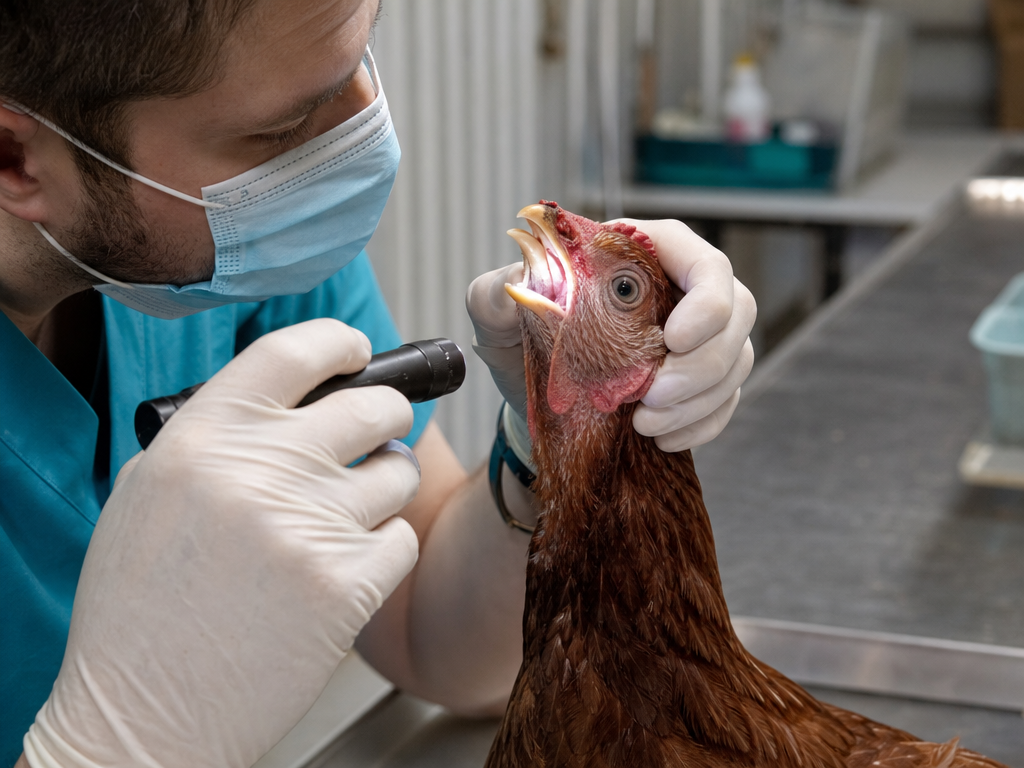
Emergency airway clearance (individual birds): Birds found dying from tracheal blood cast obstruction may occasionally be saved by immediate intervention. Restrain the bird, open the beak, and carefully remove visible blood casts from the trachea with a small cotton swab or fine forceps. Extend the neck, hold the bird upside down, and swing gently to dislodge deeper material. This is an emergency measure, not a treatment for the viral infection itself, and success depends on the severity of obstruction.
Secondary bacterial infection control: GaHV-1 destroys tracheal epithelium, creating an ideal environment for secondary bacterial pneumonia (E. coli, Mycoplasma, ORT). Broad-spectrum antibiotics significantly reduce mortality from these secondary infections. Oxytetracycline (200-400 mg/gallon for 5-7 days), tylosin (100 mg/gallon for 5 days), or amoxicillin (15 mg/kg twice daily) are standard choices. Begin antibiotic coverage immediately when ILT is suspected, without waiting for lab confirmation.
Emergency vaccination of at-risk birds: Vaccinating unaffected birds in the same facility immediately with ILT eye-drop vaccine can reduce the severity of disease if exposure has not yet occurred. Protection develops over 7-10 days. This strategy works best early in an outbreak when some birds have not yet been exposed. CEO-strain vaccines provide faster protection than TCO but carry higher reversion risk.
Biosecurity lockdown during outbreak: Move no birds, equipment, clothing, or vehicles off the premises during an active ILT outbreak. GaHV-1 spreads readily via fomites and can devastate neighboring unvaccinated flocks. Notify neighboring poultry operations so they can pre-emptively vaccinate.
State reporting: Contact your state veterinarian before taking any actions beyond isolation. ILT is reportable in several US states and some states provide regulatory assistance for outbreak management. Confirm reporting requirements in your state before the need arises.
Natural & Integrative Care for Infectious Laryngotracheitis
ILT requires vaccination for prevention; there is no treatment; secondary bacterial infections should be managed with antibiotics during outbreaks.
No natural treatments are effective against ILT. This is a rapidly progressing viral disease with high mortality potential. Do not delay vaccination or veterinary consultation.
Supportive care (electrolytes, vitamin C, reduced stress, good ventilation) reduces secondary losses but does not affect ILT virus replication or tracheal damage.
🛡️How Can Infectious Laryngotracheitis Be Prevented?
- Vaccinate in endemic areas using eye-drop ILT vaccine (TCO strain preferred over CEO to minimize vaccine reversion risk). Administer 4-6 weeks before expected exposure or at 2-4 weeks of age in high-risk areas.
- Maintain strict biosecurity. ILT spreads via fomites; disinfect boots, clothing, and equipment between premises. Never allow visitors from premises with ILT history.
- Do not mix birds with unknown ILT history into naive flocks. Recovered latent carriers can reactivate and shed virus when stressed.
- In ILT-free areas, avoid vaccination with live virus, as vaccine virus itself can persist and spread to unvaccinated birds on neighboring premises.
📞When Should I Call a Vet for Infectious Laryngotracheitis?
Call a veterinarian immediately if:
- Birds develop gasping and blood-streaked mucus. This presentation requires urgent ILT confirmation and reporting to the state veterinarian in states where ILT is reportable.
- Mortality exceeds 5% within the first 72 hours of respiratory signs. Initiate antibiotic coverage for secondary infections while awaiting lab confirmation.
❓Infectious Laryngotracheitis: Frequently Asked Questions
What is infectious laryngotracheitis (ILT) in chickens?
ILT is caused by Gallid herpesvirus 1 and causes severe hemorrhagic tracheitis with gasping, blood-streaked mucus, and pump-handle breathing as birds try to clear obstructed airways. Mortality ranges from 10-70% in unvaccinated flocks. There is no treatment; vaccination is the primary prevention strategy.
What does pump-handle breathing mean in chickens?
Pump-handle breathing describes the exaggerated neck-extending and head-pumping motion chickens make when trying to breathe through a severely obstructed trachea. It is a classic sign of ILT and indicates that blood, mucus, or necrotic casts are blocking the airway. Any bird showing this sign requires urgent evaluation.
Is there a vaccine for infectious laryngotracheitis?
Yes. Live attenuated ILT vaccines (CEO and TCO strains) are applied by eye-drop. TCO strains are preferred as they have lower reversion-to-virulence risk. Vaccination takes 7-10 days to establish protective immunity. In ILT-free areas, vaccination should be avoided as vaccine virus can spread to unvaccinated birds on neighboring farms.
How does ILT spread between flocks?
ILT spreads through respiratory aerosols, direct bird contact, and contaminated fomites (clothing, equipment, vehicles). Latent carrier birds recovered from previous infection can reactivate and shed virus when stressed. Vaccine virus can also spread from vaccinated to unvaccinated birds in adjacent facilities.
Can chickens recover from ILT?
Yes. Surviving birds recover from clinical ILT but harbor the virus as a lifelong latent infection in the trigeminal ganglia. They can reactivate and shed virus under stress conditions, serving as a reservoir that can infect naive birds months or years later. ILT virus persists indefinitely in recovered flocks.
📋Key Points
- ✓Gallid herpesvirus 1 (GaHV-1) replicates in the tracheal and laryngeal mucosa, causing severe hemorrhagic necrosis that obstructs the airway with blood and mucus casts.
- ✓Key symptoms: severe gasping and extension of the neck with each breath (pump-handle breathing), blood-streaked mucus coughed or shaken from the trachea, rattling, gurgling respiratory sounds audible across the coop, bright red blood and necrotic tissue in the trachea visible at necropsy.
- ✓Highly variable by strain and flock vaccination status. Unvaccinated flocks exposed to virulent field strains: 10-70% mortality. Vaccinated flocks: subclinical to mild signs. Survivors may have permanent tracheal scarring. The ILT virus establishes lifelong latent infection in all exposed birds regardless of clinical outcome.
- ✓This condition is contagious, isolate affected birds promptly.
🔗Related
Related Conditions
📚Sources & References
- 1.Infectious Laryngotracheitis in Poultry. Merck Veterinary Manual. 2024
- 2.Gallid Herpesvirus 1 - ILT Review. PubMed / Avian Pathology. 2014
- 3.ILT Vaccination and Control. University of Georgia Extension. 2021