Gapeworms in Chickens: Symptoms, Causes and Treatment
Gapeworm in chickens is a Syngamus trachea roundworm infestation of the trachea acquired by eating infective larvae or carrier hosts such as earthworms and slugs. Birds gape, cough, shake the head, stretch the neck, and may suffocate when worm burdens are heavy. Treatment requires a veterinary-directed anthelmintic such as fenbendazole plus repeat dosing and range management.
Veterinarian Reviewed
FlockVet Veterinary Editorial Team· Reviewed August 2026
At a Glance
- Urgency
- Moderate
- Contagious
- Yes
- Affects Humans
- No
- Key Symptoms
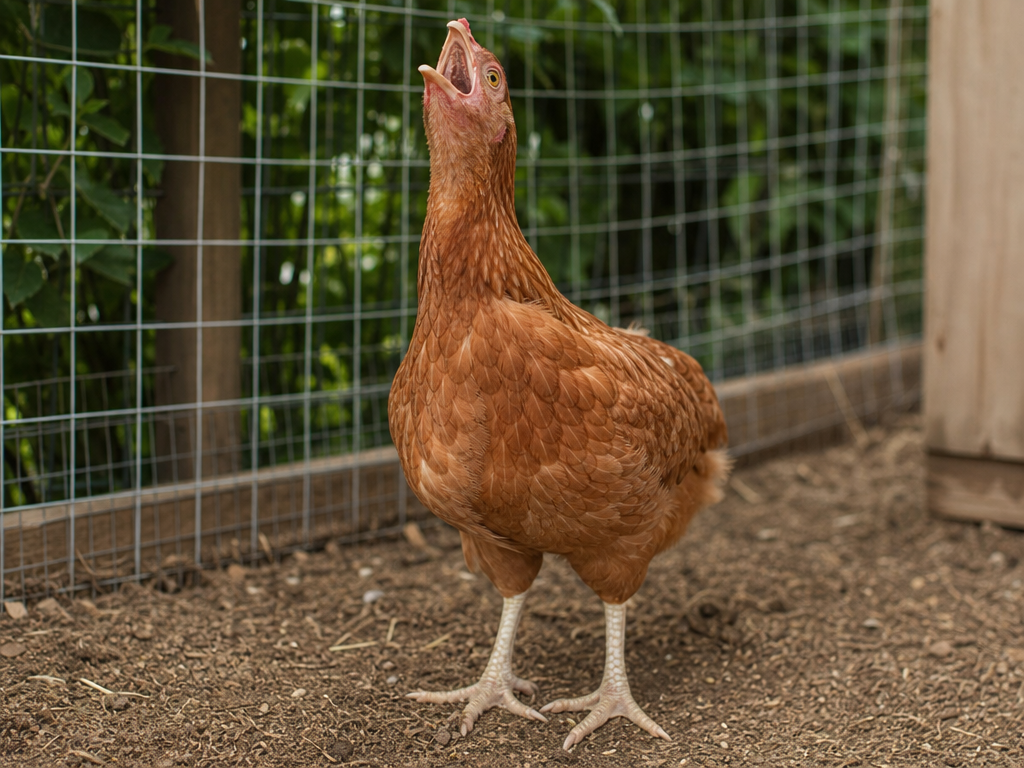
- open-mouth breathing ('gaping') - rhythmic stretching of the neck and beak, head shaking or neck-stretching as if trying to dislodge something, wheezing, rattling, or gurgling sounds with each breath
- Prognosis
- Prognosis is good to excellent when gapeworms are detected early and treated promptly with fenbendazole - most birds show marked improvement within 48–72 hours of starting treatment, with full recovery in 5–7 days. Heavily infected young chicks or poults with complete tracheal obstruction carry a poor prognosis without immediate veterinary intervention; mortality can reach 50–100% in affected young birds left untreated. Adult birds with moderate burdens and no secondary infection recover fully in the majority of cases.
📑 On This Pagetap to expand
🔍What Are the Symptoms of Gapeworms?
- ●Open-mouth breathing ('gaping') - rhythmic stretching of the neck and beak
- ●Head shaking or neck-stretching as if trying to dislodge something
- ●Wheezing, rattling, or gurgling sounds with each breath
- ●Labored, rapid breathing with exaggerated effort
- ●Lethargy and separation from the flock
- ●Reduced appetite and weight loss
- ●Blue-tinged comb or wattles in advanced cases (cyanosis from oxygen deprivation)
- ●Gasping or suffocation in young chicks or heavily infected adults
- ●Visible red-and-white Y-shaped worms in mucus when bird coughs or sneezes
🧬What Causes Gapeworms in Chickens?
Gapeworms (Syngamus trachea) are nematodes (roundworms) with a direct and indirect lifecycle. Understanding both routes explains why this parasite is so difficult to eliminate on free-range land.
Direct Transmission
An infected bird passes Syngamus eggs in its feces. These eggs embryonate in the soil and become infective larvae within 7–14 days in warm, moist conditions. Susceptible birds ingest embryonated eggs or third-stage larvae directly from contaminated ground, feeders, or water. Larvae migrate through the gut wall to the lungs via the bloodstream, then travel up the bronchi into the trachea where they mature into adult worms and mate permanently.
Indirect Transmission - The Earthworm Problem
Earthworms, slugs, snails, and beetles serve as paratenic (transport) hosts. They ingest Syngamus larvae from the soil, and the larvae encyst in their tissues without further development. When a chicken eats an infected earthworm, the larvae are released from the worm's tissues in the gut and complete their migration to the trachea. This indirect route is the primary infection source for pasture-raised flocks - larvae can survive inside earthworms for years, maintaining a reservoir in previously contaminated soil long after birds are removed.
The Worm Pair and Tracheal Damage
The male worm (4–6 mm) permanently attaches to the much larger female (10–20 mm) in a Y-shaped copulatory embrace embedded in the tracheal mucosa. The pair feeds on tracheal tissue and blood, causing inflammation, mucosal erosion, and excess mucus production. In heavy infestations, worm masses physically obstruct the trachea - particularly lethal in young birds whose airways are narrow. Chicks and poults under 6 weeks old are most vulnerable because their tracheas are small enough to be fully occluded by even a moderate worm burden.
Risk Factors
- Age: Birds under 6 weeks carry the highest mortality risk
- Pasture access: Free-ranging on earthworm-rich soil is the dominant risk factor
- Stocking density on permanent runs: Parasite pressure builds rapidly in overused land
- Species susceptibility: Guinea fowl, pheasants, and turkeys are often more severely affected than adult chickens
- Season: Spring and early summer - peak earthworm activity increases transmission
🔬How Is Gapeworms Diagnosed?
Gapeworms have a near-pathognomonic presentation: the combination of open-mouth breathing with neck-stretching (gaping) and a rattling respiratory sound in a free-range bird is Syngamus trachea until proven otherwise. No other common poultry condition produces this specific triad.
Home Assessment
Observe the bird at rest and during movement. True gaping is rhythmic and purposeful - the bird extends its neck and opens its beak repeatedly, as if trying to clear the airway. Hold a penlight to the open mouth: in heavy infestations, the red-and-white Y-shaped worm pairs may be visible in the trachea as a bright red mass. If mucus is present, examine it - expelled worm pairs are occasionally found in expelled mucus or directly on coop bedding after a coughing episode.
Fecal Float
Standard fecal flotation using zinc sulfate solution will reveal Syngamus eggs - oval, double-operculated, 70–100 µm, often containing developing larvae. A negative fecal float does not rule out gapeworm - eggs may not be shed continuously, and tracheal burden can cause severe signs before the female begins laying eggs at full capacity.
Post-mortem Confirmation
If a bird dies, open the trachea immediately. The bright red Y-shaped worm pairs embedded in the tracheal lining are unmistakable - they are visible to the naked eye and confirm the diagnosis definitively.
Differential Diagnoses
- Infectious Laryngotracheitis (ILT): Also causes gasping and bloody tracheal discharge, but spreads rapidly flock-wide, often with bloody mucus and high mortality - rare in isolated individual birds
- Aspergillosis: Fungal respiratory infection causing labored breathing without the neck-stretching gaping behavior; usually follows moldy bedding exposure
- Mycoplasma / Respiratory Infections: Rattling breathing, but nasal discharge is typically present; rarely causes the characteristic open-mouth gaping
- Tracheal obstruction (other foreign body): Sudden onset, no worm burden history; affects housed birds as often as pastured
- Newcastle Disease / AIV: Respiratory signs accompanied by neurological signs and rapid flock-wide spread; federally reportable - call your state vet if suspected
When in doubt, perform a fecal float. If a bird dies, always open the trachea - a 30-second procedure that gives a definitive answer.
💊How Is Gapeworms Treated?
Anthelmintic (deworming) treatment is the only effective cure for gapeworms. Supportive care alone cannot clear the worm burden from the trachea.
First-Line: Fenbendazole (Panacur / Safe-Guard)
Fenbendazole is the most widely used and evidence-supported treatment for Syngamus trachea in poultry.
- Dose: 10–50 mg/kg body weight orally once daily for 5 consecutive days
- Form: Panacur 10% liquid (100 mg/mL) or Safe-Guard aquasol can be dosed directly by syringe or added to water
- Water dosing: Safe-Guard Aquasol at 1 mg/mL in drinking water for 5 days (ensure birds drink full dose - monitor water consumption)
- Egg withdrawal: No established FDA withdrawal period for fenbendazole in laying hens - consult your veterinarian; many practitioners use a 7-14 day egg withdrawal as precaution
- Note: Fenbendazole is an extra-label use in poultry in the US - a veterinarian prescription or VCPR is required in many states
Alternative: Flubendazole
Flubendazole 60 ppm in feed for 7 days is licensed for gapeworm treatment in poultry in the UK and EU. It is not FDA-approved for poultry in the US but is used extra-label under veterinary supervision. It is considered highly effective against Syngamus trachea with a good safety margin.
Alternative: Ivermectin
Ivermectin 200–400 µg/kg (0.2–0.4 mg/kg) given subcutaneously or orally has documented activity against Syngamus trachea. It is commonly used in small flocks as a single dose, repeated in 10–14 days. It is also an extra-label use in US poultry. Egg and meat withdrawal periods are not established - a minimum 14-day egg withdrawal is commonly applied.
Supportive Care During Treatment
In birds with severe airway obstruction, treatment alone may not clear the blockage fast enough. Emergency measures include gentle physical removal of visible worm masses from the trachea using fine forceps - this requires restraint and ideally veterinary assistance. Provide a warm, low-stress environment, ensure adequate hydration (birds struggling to breathe may reduce water intake), and observe closely for the first 24–48 hours after treatment begins.
Retreatment
Recheck fecal flotation 14 days after completing the course. If egg shedding persists, repeat the 5-day course. Heavily contaminated pasture can re-infect treated birds within weeks - retreatment without environmental management is ineffective long-term.
Fenbendazole for gapeworm in chickens
Safeguard and Panacur are common fenbendazole products available through farm suppliers and veterinary channels. A commonly used off-label protocol is 10 mg/kg by mouth or accurately mixed into feed once daily for 5 days, repeated in 14 days. Product concentrations differ, so a veterinarian should calculate the amount and provide an egg withdrawal interval appropriate to local rules.
Natural & Integrative Care for Gapeworms
Fenbendazole is non-negotiable for active gapeworm infection - natural care supports prevention and immune resilience but cannot clear tracheal worm burdens. Garlic and wormwood work best as off-season prevention supplements on high-risk pasture.
Natural care has a supporting role in gapeworm management - primarily as a prevention strategy and a complement to anthelmintic treatment, not as a replacement for it. An actively gaping bird needs fenbendazole, not garlic water. That said, several natural approaches have documented or plausible antiparasitic activity and are appropriate as part of an integrated program.
Wormwood (Artemisia absinthium)
Wormwood contains thujone and absinthin compounds with documented antiparasitic properties in in-vitro studies. Add 1–2 tsp of dried wormwood per 5 lbs of feed during high-risk seasons (spring, fall). Do not use continuously for more than 2 weeks - thujone can accumulate and cause neurological effects at high doses. This is a preventive supplement, not a treatment for active infestation.
Garlic
Allicin from crushed garlic has broad-spectrum antiparasitic activity and is one of the most studied herbal antihelmintics in poultry. Crush 4–6 cloves per gallon of drinking water, steep overnight, and use as the sole water source 3 days per week during parasite season. Several small-scale poultry studies report reduced nematode egg counts with continuous garlic supplementation, though evidence specific to Syngamus is limited.
Pumpkin Seeds
Pumpkin seeds (pepitas) contain cucurbitacin, a compound reported to paralyze roundworms. Feed raw, ground pumpkin seeds at 1 tablespoon per bird 2x weekly. Evidence is primarily anecdotal for chickens, but the safety profile is excellent and the practice is low-risk. This is a supportive supplement, not a curative treatment.
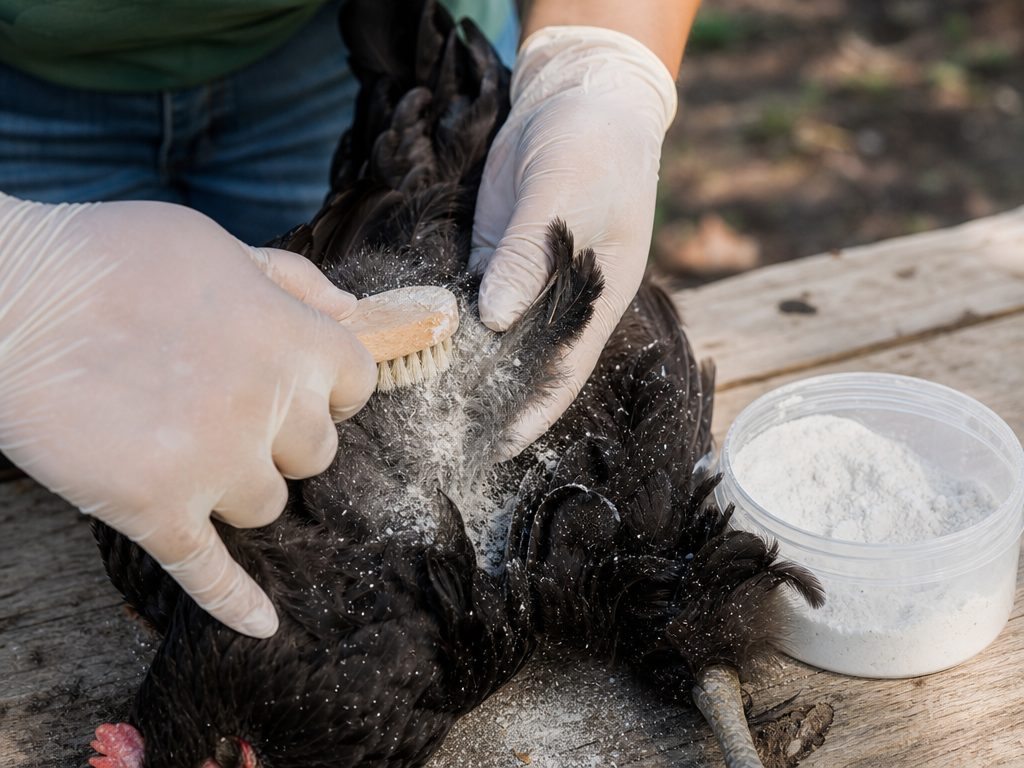
Diatomaceous Earth (DE) - Prevention Use
Food-grade DE added to dust bathing areas (1 cup per square foot of dust bath) may reduce parasite load in the environment and on the bird. DE does not kill internal parasites directly - its role is reducing ectoparasite burden that stresses the immune system. Mix into bedding at 1 lb per 5 square feet of coop floor for general hygiene management.
Apple Cider Vinegar
ACV at 1 tablespoon per gallon of drinking water acidifies gut pH slightly, which may create a marginally less favorable environment for parasites. It is commonly used preventively in backyard flocks. Evidence for antiparasitic efficacy is not strong - use as a supportive supplement to anthelmintic treatment, not as a standalone intervention.
When Natural Care Is Insufficient
Any bird showing active gaping behavior - open-mouth breathing with neck stretching - requires immediate anthelmintic treatment. Natural care cannot mechanically clear worm masses from the trachea, and a heavily infected bird can suffocate within 24–48 hours. Do not delay conventional treatment in favor of natural approaches for an acutely affected bird.
🛡️How Can Gapeworms Be Prevented?
- Pasture rotation (highest impact): Move birds to fresh ground every 4–6 weeks during spring and summer. Resting contaminated pasture for 3–6 months allows egg and larval die-off in earthworms and soil - though resistant larvae in earthworms can survive 2–3 years, full rest periods of 6+ months reduce pressure substantially
- Prevent earthworm access for chicks under 8 weeks: Keep young birds on wire flooring or in covered runs during the first 2 months when mortality risk is highest. Delay pasture access until birds are larger and better able to tolerate worm burdens
- Strategic anthelmintic rotation: Treat the whole flock with fenbendazole or ivermectin twice yearly (spring and fall) on pasture operations with documented gapeworm history. Rotate drug classes to reduce resistance development
- Diatomaceous earth in dust baths and bedding: Add food-grade DE to established dust bath areas and mix into coop litter. Reduces overall parasite pressure and supports skin and respiratory health
- Quarantine new birds for 30 days: New birds are a primary introduction route for Syngamus trachea onto clean land. Treat all incoming birds with a 5-day fenbendazole course during quarantine before introducing to the flock
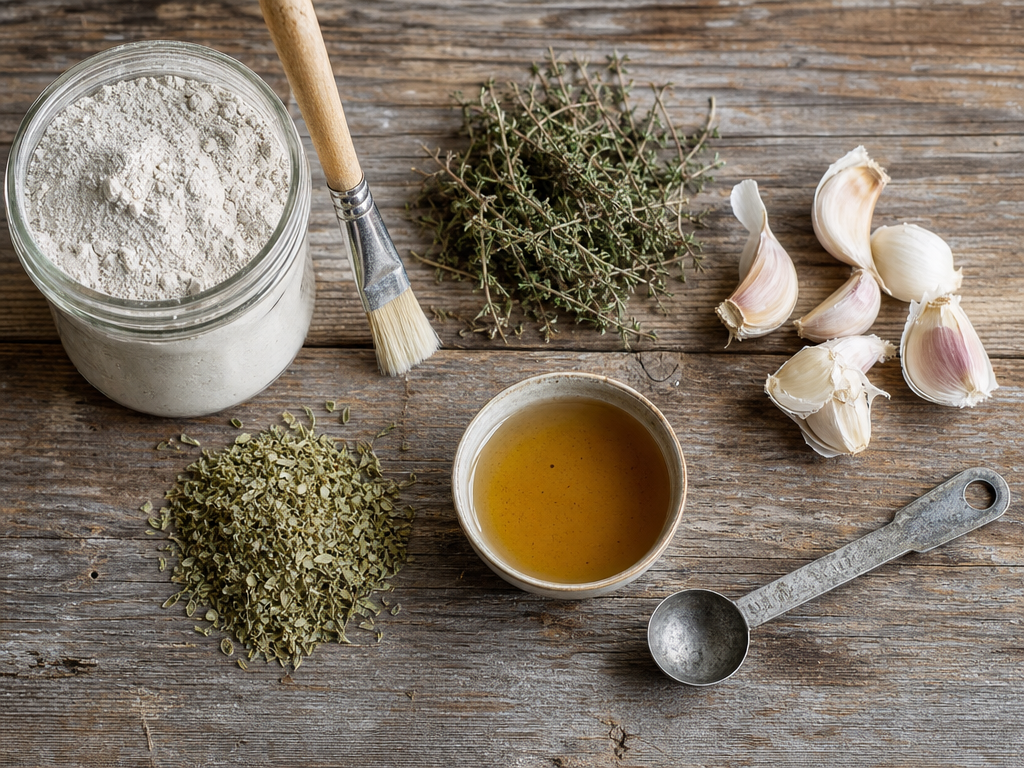
- Garlic and wormwood in water/feed preventively: During peak parasite season (spring, early summer), add crushed garlic to water 3x weekly and wormwood to feed 2x weekly as antiparasitic support
- Reduce earthworm exposure in permanent runs: In high-risk permanent runs, limit earthworm access with a clean wood chip or gravel layer. Where complete prevention isn't feasible, monitor young birds closely and test fecal floats quarterly
- Annual fecal float monitoring: Test a pooled fecal sample from 5–10 birds each spring. Early detection of egg shedding before clinical signs allows treatment before the flock develops significant airway disease
📞When Should I Call a Vet for Gapeworms?
Call or visit a veterinarian if any of the following apply:
- A bird is actively gasping, cyanotic (blue comb/wattles), or appears near suffocation - this is a same-day emergency
- Young chicks or poults under 6 weeks are showing gaping behavior - mortality risk is high and deterioration is rapid
- Multiple birds in the flock are showing signs simultaneously - a heavy pasture infestation may require prescription-level treatment and management planning
- No improvement within 48 hours of starting fenbendazole treatment - the diagnosis may be incorrect, the dose may be insufficient, or secondary bacterial infection may have developed
- You need a prescription anthelmintic - fenbendazole and ivermectin are extra-label in US poultry and legally require a valid veterinarian-client-patient relationship (VCPR)
- You suspect Newcastle Disease or Infectious Laryngotracheitis based on rapid flock-wide spread with high mortality - these are federally reportable diseases requiring state veterinarian notification
❓Gapeworms: Frequently Asked Questions
How do you treat gapeworm in chickens?
Fenbendazole (Safeguard or Panacur) is the most effective treatment, given at 10mg/kg in feed for 5 consecutive days. Ivermectin pour-on applied to the skin also works against gapeworms. Both require a repeat treatment in 14 days to catch any newly hatched worms. There is no licensed gapeworm treatment in the US - these are off-label uses.
What is gapeworm in chickens?
Gapeworm (Syngamus trachea) is a parasitic roundworm that attaches in permanent mating pairs to the trachea and airway of poultry. The characteristic Y-shape of the male-female pair is why they are called gapeworms. They cause the distinctive open-mouth gaping and head-shaking behavior as birds struggle to breathe.
How do you check for gapeworm in chickens?
Shine a flashlight directly into the open mouth of a gaping, head-shaking bird. Gapeworms appear as small red Y-shaped worms attached to the trachea wall - they are visible to the naked eye in moderate to heavy infestations. A fecal float test can detect gapeworm eggs, but visual inspection is more conclusive.
How do you treat gapeworms in chickens naturally?
Natural approaches include wormwood, pumpkin seeds, and garlic, which may reduce worm burden. Thyme has traditional use as a respiratory support herb. These are not proven replacements for fenbendazole in an active infestation but work as preventive measures. Remove intermediate hosts (earthworms, slugs) from the range.
How do chickens get gapeworm?
Chickens get gapeworm by ingesting infected earthworms, slugs, snails, or insects that carry the gapeworm larvae. Ground-ranging birds on land previously occupied by poultry are at highest risk. Free-ranging in wooded areas with abundant earthworm populations is a significant risk factor.
📋Key Points
- ✓Gapeworms ( Syngamus trachea ) are nematodes (roundworms) with a direct and indirect lifecycle.
- ✓Key symptoms: open-mouth breathing ('gaping') - rhythmic stretching of the neck and beak, head shaking or neck-stretching as if trying to dislodge something, wheezing, rattling, or gurgling sounds with each breath, labored, rapid breathing with exaggerated effort.
- ✓Prognosis is good to excellent when gapeworms are detected early and treated promptly with fenbendazole - most birds show marked improvement within 48–72 hours of starting treatment, with full recovery in 5–7 days. Heavily infected young chicks or poults with complete tracheal obstruction carry a poor prognosis without immediate veterinary intervention; mortality can reach 50–100% in affected young birds left untreated. Adult birds with moderate burdens and no secondary infection recover fully in the majority of cases.
- ✓This condition is contagious, isolate affected birds promptly.
🔗Related
Related Conditions
Medications
Natural Remedies & Supplements
📚Sources & References
- 1.Gapeworms (Syngamus trachea) in Poultry. Merck Veterinary Manual. 2024
- 2.Internal Parasites of Poultry. Merck Veterinary Manual. 2024
- 3.Parasites of Backyard Chickens. University of Georgia Cooperative Extension Poultry Science. 2023