Coccidiosis in Chickens: Symptoms, Causes and Treatment
Coccidiosis in chickens is an intestinal disease caused by Eimeria protozoa acquired from contaminated litter, feed, water, or soil. It commonly causes bloody or watery diarrhea, lethargy, pale combs, poor growth, and sudden death in chicks. Prompt treatment with amprolium in drinking water, plus hydration and dry litter, is the standard response.
Veterinarian Reviewed
FlockVet Veterinary Editorial Team· Reviewed January 2026
At a Glance
- Urgency
- Moderate
- Contagious
- Yes
- Affects Humans
- No
- Key Symptoms
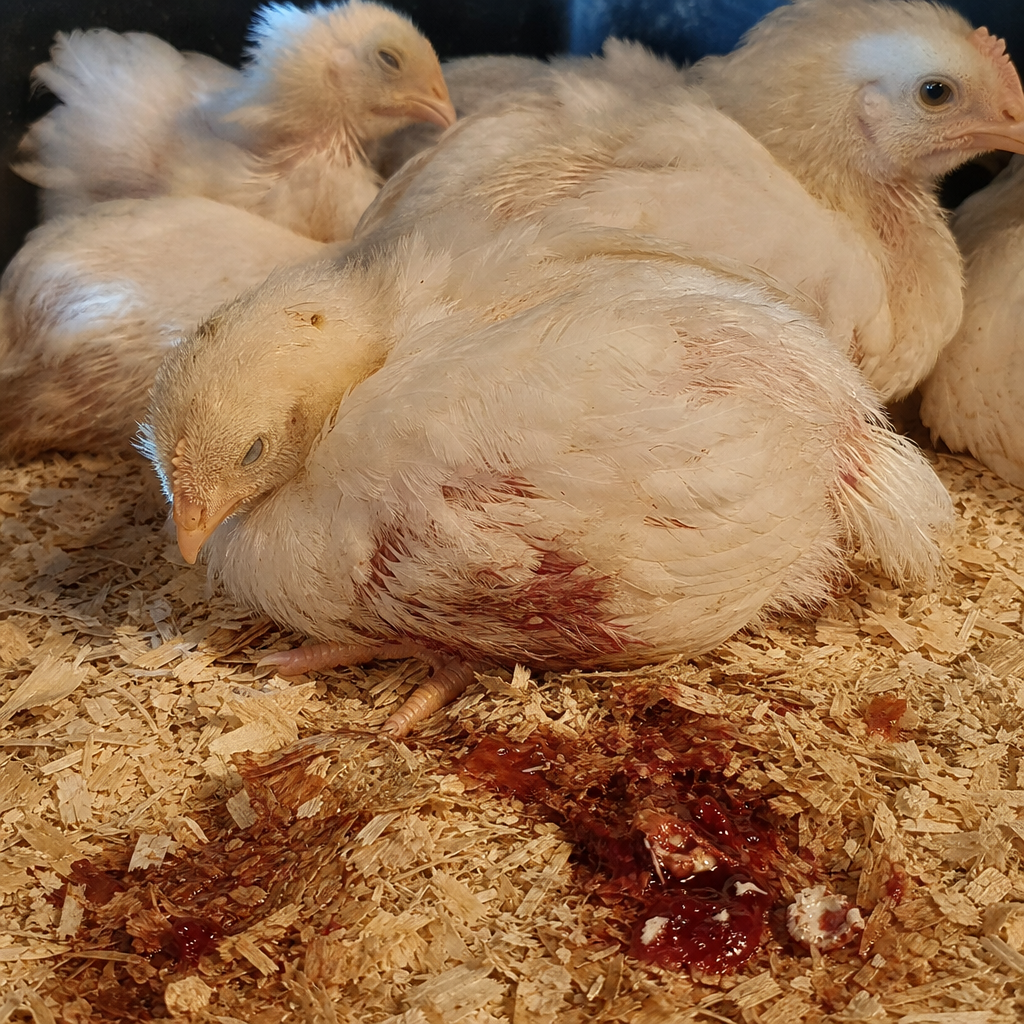
- bloody or rust-colored droppings (most alarming sign), watery diarrhea, possibly with mucus, chicks huddled together under heat lamp
- Prognosis
- Excellent with prompt treatment - most affected chicks recover fully within 5-7 days of Amprolium treatment. Untreated severe cases carry high mortality. Birds that survive develop solid immunity to the specific Eimeria strains in their environment.
📑 On This Pagetap to expand
🔍What Are the Symptoms of Coccidiosis?
- ●Bloody or rust-colored droppings (most alarming sign)
- ●Watery diarrhea, possibly with mucus
- ●Chicks huddled together under heat lamp
- ●Lethargy and unresponsiveness
- ●Fluffed feathers despite adequate heat
- ●Not eating or drinking
- ●Pale comb (anemia from blood loss)
- ●Sudden death in chicks 3-6 weeks old
- ●Weight loss and failure to thrive
🧬What Causes Coccidiosis in Chickens?
Coccidiosis is caused by Eimeria protozoa - there are 9 species that infect chickens, each targeting a specific region of the intestine. The most pathogenic species are E. tenella (cecal - causes cecal bleeding and the classic bloody droppings), E. necatrix, and E. brunetti.
Cocci oocysts are shed in feces and become infective in the environment within days. Chicks are infected by ingesting oocysts from contaminated soil, litter, feed, or water. The parasite then destroys intestinal cells during replication - the bleeding and diarrhea are from this cellular destruction, not from the parasite itself.
Why it hits chicks hardest (3-6 weeks):
- No acquired immunity yet - adult birds build immunity through low-level exposure
- Young intestinal tissue is more vulnerable to cellular destruction
- Higher fecal-oral contact in brooder environments
- Stress of weaning and temperature transitions coincides with peak vulnerability
Triggers for outbreak in older birds:
- Introduction of new birds from a different environment (carrying different Eimeria strains)
- Immunosuppression from Marek's disease, IBD, or other illness
- Heavy rain flooding the coop and concentrating oocysts
- Overcrowding increasing fecal contamination density
🔬How Is Coccidiosis Diagnosed?
Presumptive diagnosis is based on clinical signs - bloody droppings in chicks 3-6 weeks old is coccidiosis until proven otherwise. Confirmatory diagnosis requires a fecal float to identify Eimeria oocysts under microscopy.
Important distinction: Cecal droppings (normal) are brown and foamy, sometimes with a slight orange tinge. Coccidial bloody droppings are frank red blood, often with mucus. If you're uncertain, treat - the cost of treating unnecessarily is low; the cost of not treating is high.
Post-mortem findings (if a chick dies):
- E. tenella: Swollen, blood-filled ceca with visible petechiae (small hemorrhages)
- E. necatrix: Small intestine thickened, fluid-filled, with white spots (oocyst clusters)
- E. brunetti: Lower small intestine and colon lesions
💊How Is Coccidiosis Treated?
Amprolium (Corid) - first-line treatment
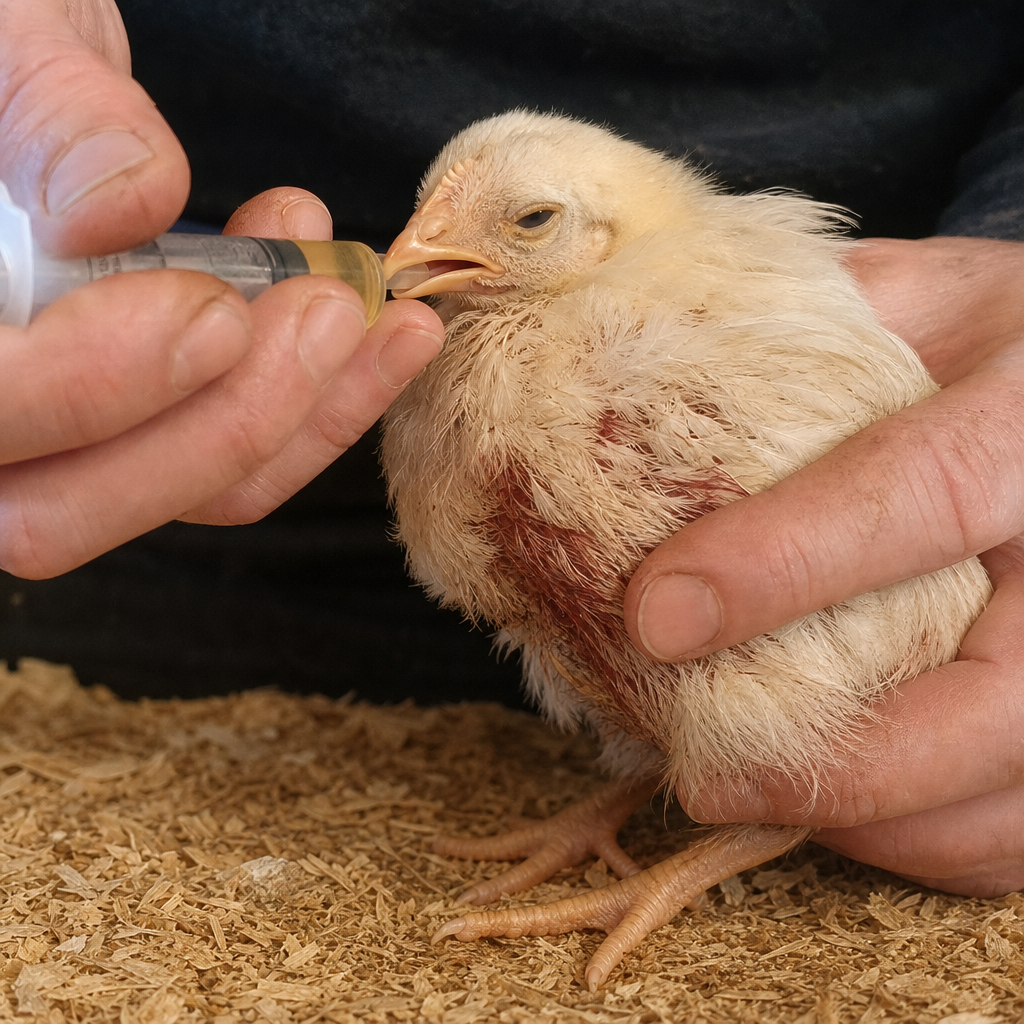
Amprolium is a thiamine antagonist that starves the parasite of the B-vitamin it needs to reproduce. It is available OTC, has no egg withdrawal requirement, and is highly effective.
- High-dose treatment (active outbreak): 1.5 teaspoons of Corid 20% soluble powder (or 2 teaspoons liquid Corid 9.6%) per gallon of water for 5-7 days
- Prevention dose: 1/3 teaspoon Corid 20% per gallon for 21 days in high-risk situations
- Make fresh solution every 24 hours
- Remove all other water sources - treated water must be their only water source
- Supplement with B vitamins after treatment (Amprolium blocks thiamine absorption - give a B-complex for 3-5 days after completing treatment)
Sulfonamides (alternative): Sulfadimethoxine (Albon) is effective but requires vet prescription and has longer egg/meat withdrawal times.
Supportive care alongside medication:
- Electrolytes in water (Sav-A-Chick or similar)
- Vitamin K supplementation - cocci destroys the intestinal cells responsible for vitamin K synthesis, leading to clotting failure
- Keep chicks warm - sick chicks lose thermoregulation
- Isolate severely affected birds from healthy flock members
Amprolium dosing for coccidiosis in chickens
Amprolium is sold over the counter as Corid at farm and livestock supply stores. For the common 9.6% liquid, mix 2 teaspoons per gallon of drinking water; for 20% soluble powder, mix 1.5 teaspoons per gallon. Provide it as the only water source for 5-7 days and mix fresh solution daily. Amprolium has a zero-day egg withdrawal under its labeled poultry use, but keepers should verify the current product label and local veterinary guidance.
Natural & Integrative Care for Coccidiosis
Treat active outbreaks with Amprolium - natural remedies are not fast enough alone. Use oregano, thyme, fermented feed, and ACV as ongoing prevention to reduce oocyst load and build gut immunity.
Natural approaches play a supporting role in coccidiosis management. For an active outbreak with bloody droppings, Amprolium treatment is necessary - natural remedies alone are not adequate to control an acute coccidial infection quickly enough to prevent fatalities.
Where natural care excels: prevention, immune support, and recovery.
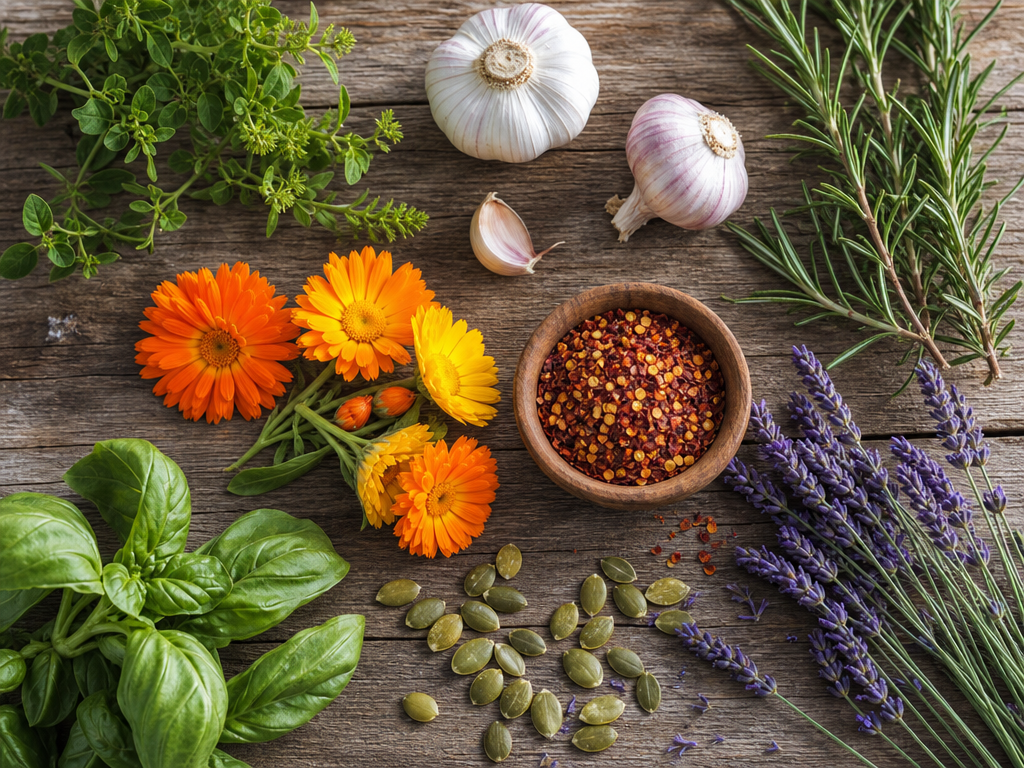
Thyme and oregano (coccidiostatic properties)
Research from Poultry Science journal has demonstrated that thymol (from thyme) and carvacrol (from oregano) have coccidiostatic effects - they inhibit Eimeria replication without the drug resistance concerns associated with coccidiostats. Add fresh thyme and oregano sprigs to feed or water 2-3 times per week as a preventive measure.
Sweet wormwood (Artemisia annua)
Contains artemisinin, which has demonstrated antiprotozoal activity. Used in traditional poultry management in many cultures. Add dried wormwood to feed at 1-2% of feed weight as a preventive.
Apple cider vinegar
1 tablespoon per gallon of water acidifies the gut environment and creates less hospitable conditions for Eimeria replication. Not a treatment - a preventive support.
Fermented feed
Fermented feed dramatically increases beneficial gut bacteria, which compete with Eimeria for intestinal colonization. Studies have shown reduced oocyst shedding in flocks fed fermented feed. This is a genuinely effective preventive tool.
Vitamin E + Selenium
Both nutrients strengthen mucosal immunity in the intestinal tract, making it more resistant to Eimeria invasion. Critical during recovery phase.
🛡️How Can Coccidiosis Be Prevented?
- Controlled exposure in chicks - allow small amounts of soil and outdoor exposure from week 2 onward, so chicks build immunity gradually before oocyst load overwhelms them
- Never use medicated chick starter with vaccinated chicks - Amprolium interferes with the coccidiosis vaccine
- Keep brooder dry - wet litter concentrates oocysts and dramatically increases infection pressure
- Clean waterers daily - oocysts accumulate in waterer residue
- Fermented feed 3-4x per week reduces oocyst shedding and builds gut immunity
- Oregano and thyme in water 3x per week (coccidiostatic)
- Do not move chicks to the adult coop too early - let immunity develop first (typically 8-10 weeks)
📞When Should I Call a Vet for Coccidiosis?
Call a vet if:
- Mortality continues after 48 hours of Amprolium treatment
- Bloody droppings persist beyond 5 days of treatment
- Older birds (adults) are affected - this suggests immunosuppression from another underlying condition
- Outbreak occurs in a vaccinated flock
- You need fecal float confirmation of species to guide treatment
❓Coccidiosis: Frequently Asked Questions
How do you treat coccidiosis in chickens?
The primary treatment for coccidiosis is amprolium (sold as Corid), given in drinking water for 5-7 days. Dosage is 2 teaspoons of liquid or 1.5 teaspoons of powder per gallon. Remove all other water sources so birds drink only the medicated water. Follow up with a vitamin supplement to restore B1 after treatment.
What is amprolium and how does it treat coccidiosis in chickens?
Amprolium (brand name Corid) works by blocking thiamine absorption in coccidia parasites, which they need to reproduce. It does not kill existing coccidia directly but stops the population from multiplying, allowing the bird's immune system to catch up. It is available over the counter at most farm supply stores.
What causes coccidiosis in chickens?
Coccidiosis is caused by single-celled Eimeria parasites that reproduce in the intestinal lining. Chickens ingest the oocysts through contaminated feed, water, or litter. Wet conditions, overcrowding, and young birds under 6 months old are highest risk. Stress and poor sanitation accelerate outbreaks.
How do you treat coccidiosis in chickens naturally?
Natural approaches include apple cider vinegar in water (1 tablespoon per gallon) to lower gut pH, oregano oil as an antimicrobial, and probiotics to restore gut flora. These support recovery but are not a replacement for amprolium in active, severe outbreaks. Natural methods work best as prevention.
What are the signs of coccidiosis in chickens?
Signs include bloody or watery diarrhea (sometimes with mucus), lethargy, ruffled feathers, pale comb, weight loss, and hunching. Young chicks may die suddenly without obvious prior symptoms. Bloody droppings are the most recognizable sign, though not all strains cause visible blood.
How do you cure coccidiosis in chickens?
Coccidiosis can be cured with a full 5-7 day course of amprolium. Most birds recover within a week if treated promptly. Survivors develop immunity to the specific Eimeria strains they were exposed to, though they remain susceptible to other strains. Clean the coop and dry out litter after treatment to prevent reinfection.
📋Key Points
- ✓Coccidiosis is caused by Eimeria protozoa - there are 9 species that infect chickens, each targeting a specific region of the intestine.
- ✓Key symptoms: bloody or rust-colored droppings (most alarming sign), watery diarrhea, possibly with mucus, chicks huddled together under heat lamp, lethargy and unresponsiveness.
- ✓Excellent with prompt treatment - most affected chicks recover fully within 5-7 days of Amprolium treatment. Untreated severe cases carry high mortality. Birds that survive develop solid immunity to the specific Eimeria strains in their environment.
- ✓This condition is contagious, isolate affected birds promptly.
🔗Related
Related Conditions
Medications
Natural Remedies & Supplements
📚Sources & References
- 1.Coccidiosis in Poultry. Merck Veterinary Manual. 2024
- 2.Coccidiosis. USDA Animal and Plant Health Inspection Service. 2023
- 3.Management of Backyard Poultry. Merck Veterinary Manual. 2024
- 4.Poultry Programs - UC Davis School of Veterinary Medicine. UC Davis Veterinary Medicine Extension. 2024