Campylobacter in Chickens: Zoonotic Risk, Symptoms and Prevention
Campylobacter jejuni and C. coli are the leading bacterial causes of gastroenteritis in humans worldwide, and chickens are the primary reservoir. Most chickens carry Campylobacter in their intestines without showing any signs of illness. The primary risk is to humans who handle birds or consume undercooked poultry. Backyard flock owners must understand hygiene protocols to prevent transmission.
Veterinarian Reviewed
FlockVet Veterinary Editorial Team· Reviewed August 2026
At a Glance
- Urgency
- Mild
- Contagious
- Yes
- Affects Humans
- Yes, zoonotic
- Key Symptoms
- in chickens: usually none (subclinical carrier state in most adult birds), occasional loose droppings or increased mortality in heavily colonized young chicks, reduced weight gain and feed conversion in commercial broilers (mild)
- Prognosis
- Chickens: excellent. Campylobacter colonization causes no meaningful illness in adult birds. Humans: good. Most cases resolve in 5-7 days. Serious complications (reactive arthritis, Guillain-Barre) are rare but more common than for most other foodborne illnesses. Immunocompromised individuals are at highest risk for prolonged or severe infection.
📑 On This Pagetap to expand
🔍What Are the Symptoms of Campylobacter in Chickens?
- ●In chickens: usually none (subclinical carrier state in most adult birds)
- ●Occasional loose droppings or increased mortality in heavily colonized young chicks
- ●Reduced weight gain and feed conversion in commercial broilers (mild)
- ●No specific clinical signs distinguish Campylobacter from other bacterial colonization
- ●In humans: severe cramping, watery to bloody diarrhea, fever, nausea lasting 3-7 days
- ●Reactive arthritis may follow Campylobacter gastroenteritis in humans
- ●Guillain-Barre syndrome (rare but serious neurological complication) in human cases
🧬What Causes Campylobacter in Chickens in Chickens?
Campylobacter jejuni thrives in the intestinal tract of chickens at body temperature (42C) - two degrees warmer than the human gut and the key reason chickens are such efficient carriers.
- Nearly universal colonization: Studies show 60-90% of commercial broiler flocks are Campylobacter-positive by slaughter age. Backyard flocks in contact with wild birds show similarly high colonization rates. The organism spreads rapidly through a flock once introduced.
- Wild bird introduction: Wild birds (especially starlings, sparrows, and wild waterfowl) are colonized with Campylobacter and introduce it into backyard flocks through shared water sources and fecal contamination of feed areas.
- Flock-to-flock spread: Contaminated boots, clothing, vehicles, equipment, and rodents can carry Campylobacter between flocks. Flies are efficient mechanical vectors within a flock environment.
- Human transmission routes: Eating undercooked poultry is the most common cause of human Campylobacter infection. Handling live birds, their feces, or contaminated eggs without hand washing is a significant risk for backyard flock owners.
🔬How Is Campylobacter in Chickens Diagnosed?
Campylobacter colonization in chickens is typically diagnosed through targeted surveillance testing, not clinical presentation, because birds are almost always asymptomatic.
- Cloacal swab culture: Plating on selective Campylobacter media (Campy-BAP, CCDA) under microaerophilic conditions detects colonization. Results in 48-72 hours.
- PCR: Real-time PCR of fecal samples is the most sensitive and rapid test, with results in hours rather than days.
- When to test: Routine surveillance is recommended for backyard flocks where children or immunocompromised individuals are frequent handlers. Testing before a new flock replaces an old one identifies whether the environment is colonized.
💊How Is Campylobacter in Chickens Treated?
Treatment of Campylobacter colonization in chickens is generally not recommended or effective. The goal is preventing human transmission, not eliminating colonization from the flock.
For backyard flocks: There is no approved treatment protocol for reducing Campylobacter colonization in chickens. Antibiotics (fluoroquinolones, erythromycin) temporarily reduce shedding but do not eliminate colonization and promote resistant strain selection.
For human illness: Most human Campylobacter infections resolve in 5-7 days without antibiotics. Severe cases or immunocompromised patients may be treated with azithromycin or fluoroquinolones, but resistance is increasing globally.
Competitive exclusion products: Some commercial probiotic preparations designed to populate the gut with beneficial bacteria have shown modest reductions in Campylobacter colonization in commercial broiler trials. Results are inconsistent in backyard flocks.
Natural & Integrative Care for Campylobacter in Chickens
Campylobacter colonization in chickens is essentially unavoidable; the focus must be on strict human hygiene protocols to prevent the organism from reaching humans.
Natural approaches to reducing Campylobacter colonization focus on competitive exclusion and environmental reduction of the organism.
Probiotics (Lactobacillus, Bacillus): Regular probiotic supplementation in feed or water can modestly reduce Campylobacter colonization by competing for intestinal attachment sites. Not a reliable standalone decontamination strategy.
Oregano oil (carvacrol): Laboratory studies show strong Campylobacter inhibition by carvacrol. Adding oregano oil to water (3-5 drops per gallon) may help reduce environmental spread, but clinical evidence for meaningful colonization reduction in live birds is limited.
Apple cider vinegar: Acidified water is mildly inhospitable to Campylobacter. Regular use (1 tbsp/gallon, 3x weekly) as part of a broader hygiene program may support gut health and reduce shedding.
🛡️How Can Campylobacter in Chickens Be Prevented?
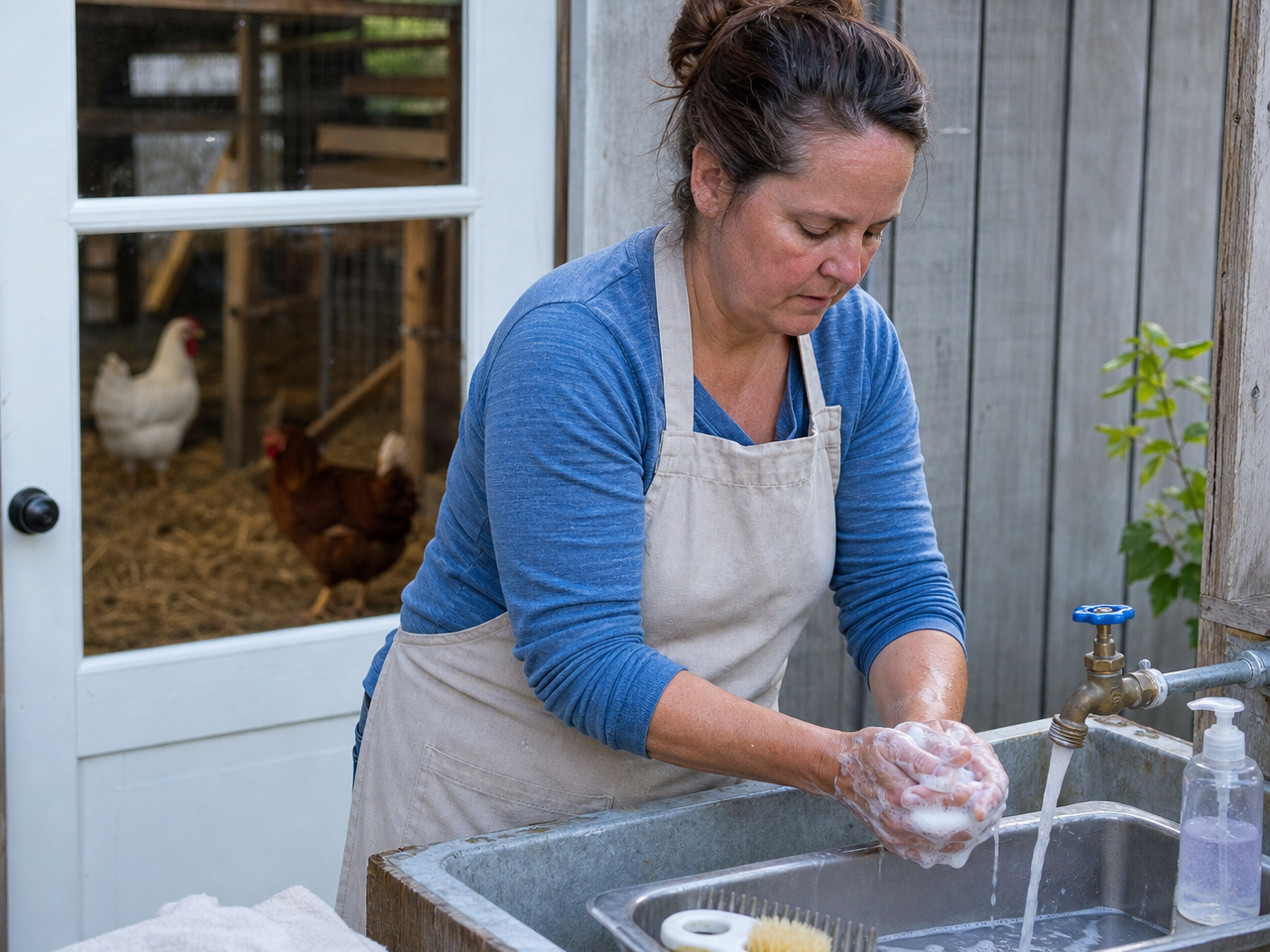
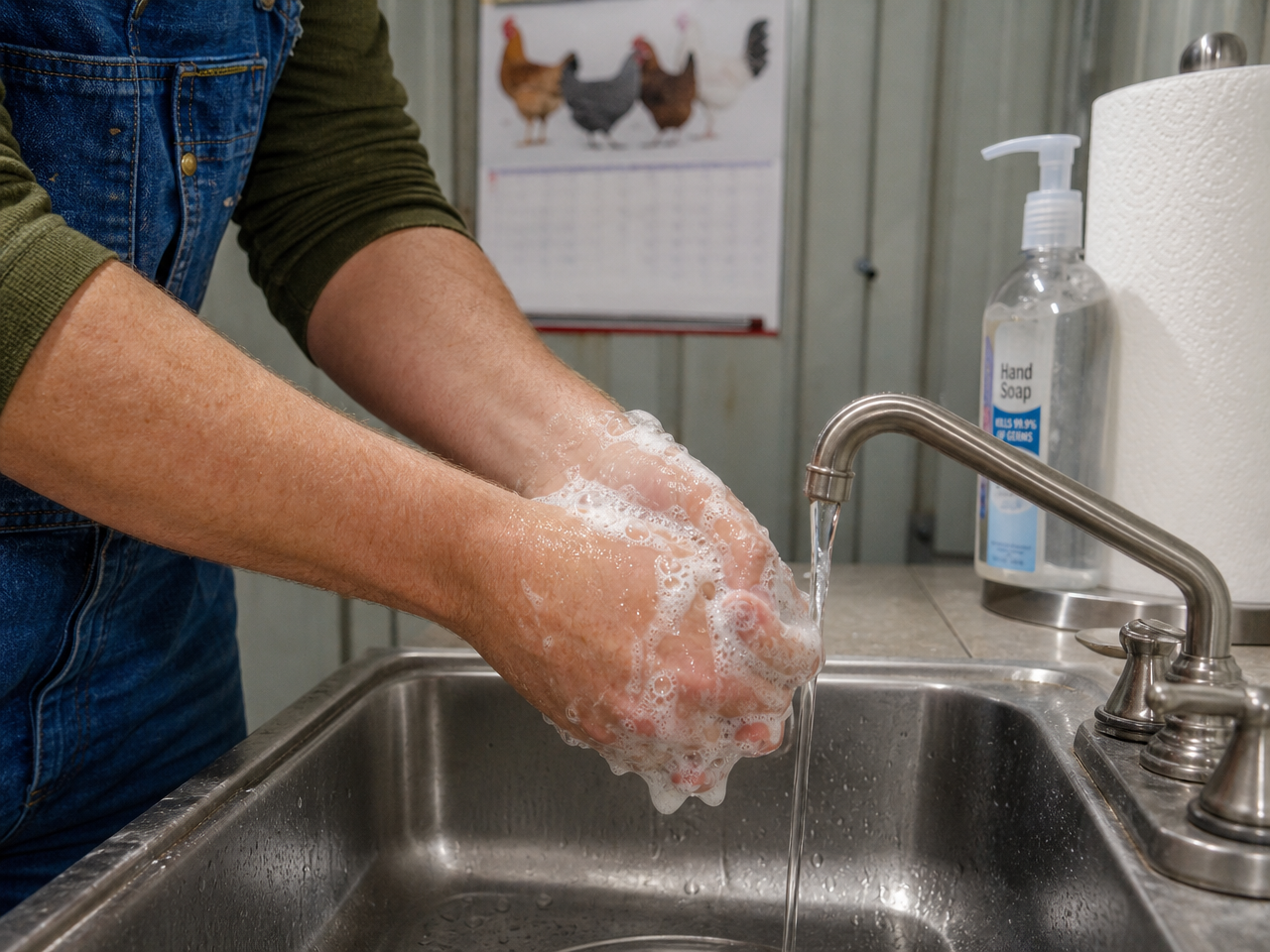
- Always wash hands with soap and water immediately after handling chickens, collecting eggs, or cleaning the coop. This is the single most effective measure to prevent human illness.
- Do not allow young children under 5, pregnant women, elderly, or immunocompromised individuals to handle live birds without supervision and immediate handwashing.
- Wear dedicated footwear and clothing for chicken handling. Change before entering the house.
- Do not eat, drink, or smoke in or near chicken areas.
- Cook all poultry to 165F internal temperature. Never eat pink or undercooked chicken from backyard flocks.
- Disinfect all surfaces that contact raw chicken meat in the kitchen. Campylobacter spreads through cross-contamination to vegetables and other foods.
- Screen chicken areas from wild bird access. Wild starlings and sparrows are efficient Campylobacter carriers and can colonize naive flocks through shared water.
📞When Should I Call a Vet for Campylobacter in Chickens?
For the flock: A veterinarian consultation is appropriate if you want to test your flock for colonization status, especially if there are high-risk individuals (young children, elderly, immunocompromised) regularly handling birds.
For human illness: Contact a physician or urgent care if diarrhea contains blood, lasts more than 7 days, is accompanied by high fever, or if the affected person is immunocompromised or pregnant. Report Campylobacter infections to your local health department.
❓Campylobacter in Chickens: Frequently Asked Questions
Can chickens give you Campylobacter?
Yes. Chickens are the primary reservoir for Campylobacter jejuni, the most common cause of bacterial gastroenteritis in humans. Most chickens carry it without symptoms. Humans are infected by handling birds without handwashing, or by eating undercooked poultry. Strict hygiene after bird contact is the key preventive measure.
Do chickens show symptoms of Campylobacter?
Rarely. Adult chickens colonized with Campylobacter are almost always asymptomatic. They are healthy carriers that shed the bacteria in their feces. Occasional loose droppings in heavily colonized young chicks may occur but are not diagnostic. The main concern is not the chickens' health but transmission to humans.
How do I prevent getting Campylobacter from my chickens?
Wash hands with soap and water immediately after handling birds or cleaning the coop. Wear dedicated shoes and clothes for chicken handling. Do not eat, drink, or touch your face in chicken areas. Cook all poultry to 165F. Keep children under 5 supervised and wash their hands promptly after any bird contact.
Is Campylobacter in backyard chickens different from store chickens?
The same species (Campylobacter jejuni) colonizes both commercial and backyard flocks. Colonization rates are similarly high in both settings. Backyard flocks may actually have higher human transmission risk because owners have frequent direct contact with live birds, while most Campylobacter from commercial poultry reaches humans through undercooked meat.
Can I treat my chickens for Campylobacter?
There is no approved or reliably effective treatment for reducing Campylobacter colonization in chickens. Antibiotics temporarily reduce shedding but promote resistance and do not eliminate the carrier state. The focus should be on human hygiene protocols, not treating the birds.
📋Key Points
- ✓Campylobacter jejuni thrives in the intestinal tract of chickens at body temperature (42C) - two degrees warmer than the human gut and the key reason chickens are such efficient carriers.
- ✓Key symptoms: in chickens: usually none (subclinical carrier state in most adult birds), occasional loose droppings or increased mortality in heavily colonized young chicks, reduced weight gain and feed conversion in commercial broilers (mild), no specific clinical signs distinguish campylobacter from other bacterial colonization.
- ✓Chickens: excellent. Campylobacter colonization causes no meaningful illness in adult birds. Humans: good. Most cases resolve in 5-7 days. Serious complications (reactive arthritis, Guillain-Barre) are rare but more common than for most other foodborne illnesses. Immunocompromised individuals are at highest risk for prolonged or severe infection.
- ✓This condition is contagious, isolate affected birds promptly.
- ✓This condition is zoonotic and can potentially affect humans. Practice thorough hygiene when handling sick birds.
🔗Related
Related Conditions
📚Sources & References
- 1.Campylobacter in Poultry. Merck Veterinary Manual. 2024
- 2.Campylobacter and Backyard Poultry. CDC. 2023
- 3.Campylobacter in Backyard Poultry Flocks. USDA APHIS. 2022