Pendulous Crop in Chickens: Symptoms, Causes and Treatment
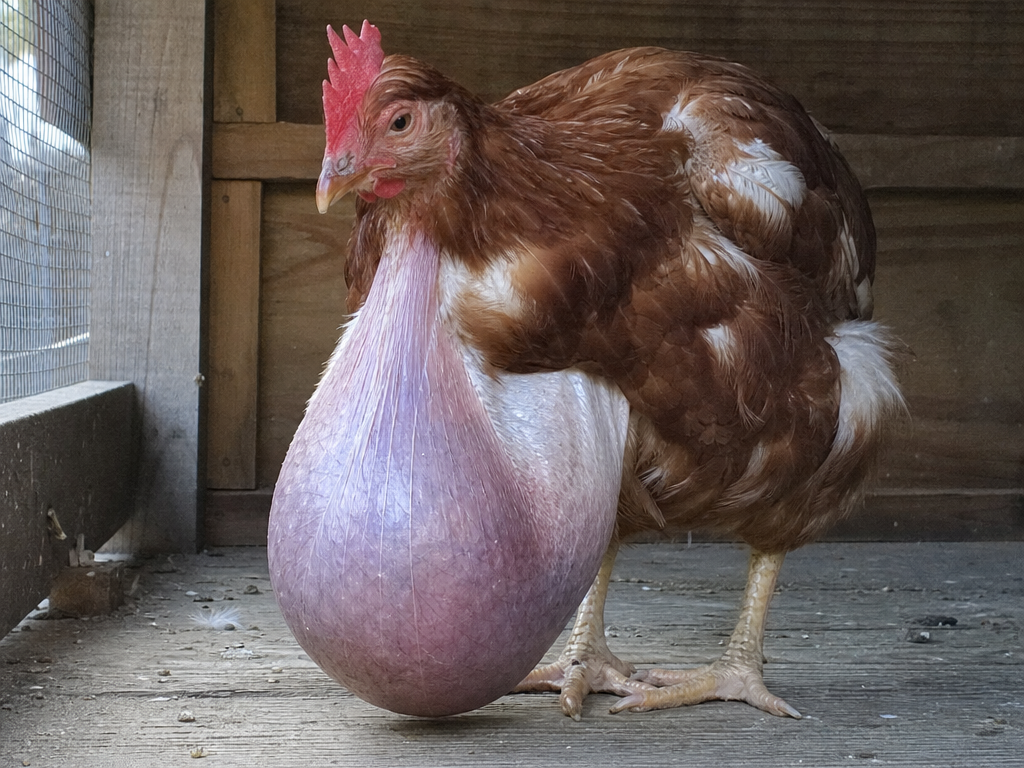
Pendulous crop (also called flaccid or stretched crop) occurs when the crop loses its muscular tone and hangs abnormally low on the chest, failing to empty properly overnight. It is a mechanical problem distinct from sour crop (infection) and impacted crop (blockage). Mild cases are managed with dietary modification; severe cases may require surgical crop reduction.
Veterinarian Reviewed
FlockVet Veterinary Editorial Team· Reviewed August 2026
At a Glance
- Urgency
- Moderate
- Contagious
- No
- Affects Humans
- No
- Key Symptoms
- visibly enlarged, saggy crop that hangs low on the chest, crop feels sloshy with fluid and soft food material, crop does not empty overnight (remains full in the morning before feeding)
- Prognosis
- Good for mild cases managed with dietary modification and crop support. Guarded for severe cases; some birds with extensive stretch damage continue to struggle despite management. Excellent with surgical crop reduction when performed early before significant weight loss or aspiration risk develops.
📑 On This Pagetap to expand
🔍What Are the Symptoms of Pendulous Crop?
- ●Visibly enlarged, saggy crop that hangs low on the chest
- ●Crop feels sloshy with fluid and soft food material
- ●Crop does not empty overnight (remains full in the morning before feeding)
- ●Sour or fermented smell from the crop contents in some birds
- ●Regurgitation of crop contents, especially when the bird bends down to eat or drink
- ●Gradual weight loss despite normal appetite
- ●Gurgling sounds when the crop is gently pressed
- ●Occasional gasping if regurgitated material is aspirated
🧬What Causes Pendulous Crop in Chickens?
Pendulous crop results from permanent stretching of the crop wall and loss of muscular tone, preventing normal peristaltic emptying into the proventriculus.
- Chronic overeating: Free-choice access to palatable feeds (scratch grains, treats) leads to chronic overfilling and progressive stretching of the crop wall over weeks to months. This is the most common cause in backyard hens with unrestricted treat access.
- Prior sour crop or impaction: An episode of severe sour crop or impacted crop can permanently damage crop musculature. The inflammation and distension during these episodes stretches the crop wall beyond its ability to return to normal tone.
- Nutritional deficiency: Vitamin E and selenium deficiency (white muscle disease) can cause myopathy of smooth muscle including crop musculature. This is more common in areas with selenium-deficient soils.
- Hereditary predisposition: Some birds appear constitutionally prone to pendulous crop, especially breeds selectively bred for heavy body weight or large crop capacity.
- Rope or fibrous material ingestion: Long grass, twine, or fibrous treats can create an internal scaffold that causes chronic partial obstruction leading to progressive stretching.
🔬How Is Pendulous Crop Diagnosed?
Pendulous crop is diagnosed by physical examination and the characteristic finding of a full, pendulous crop in the morning before feeding.
- Morning crop check: The crop should be completely empty by morning before the bird's first meal. A sloshy, full, or bulging crop in a bird that has not been fed overnight confirms delayed emptying.
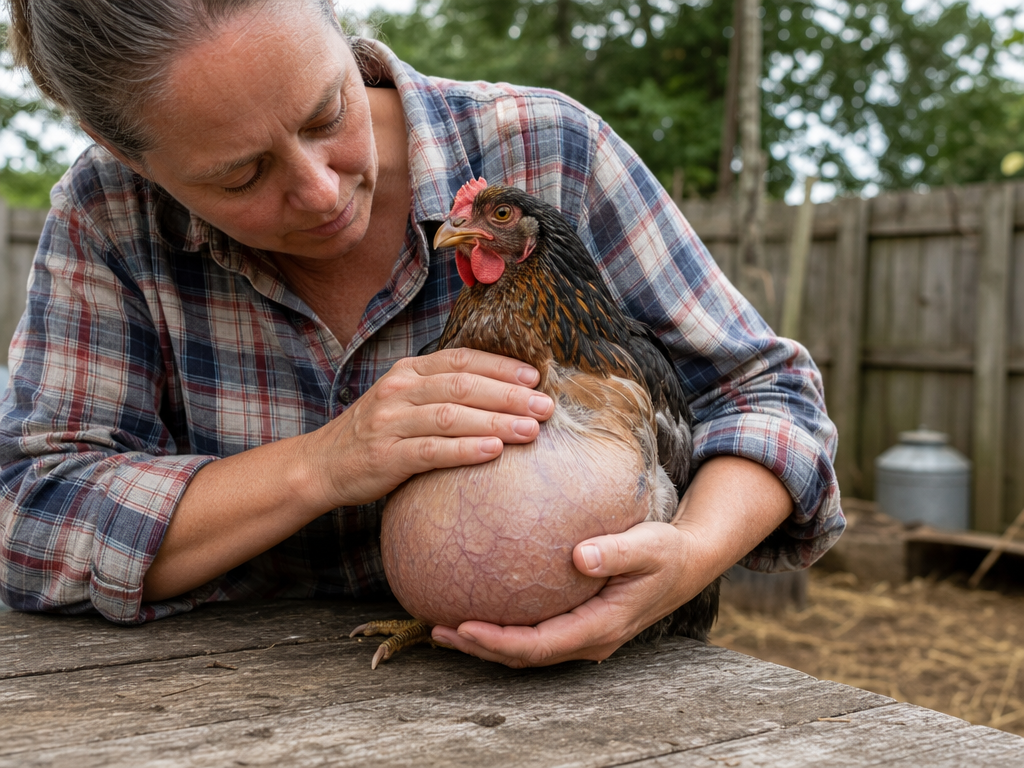
- Crop palpation: Pendulous crop feels doughy and fluid-filled with a sagging, swinging quality when the bird moves. Impacted crop is firm and compacted. Sour crop has a distinct fermented odor.
- Distinguish from sour crop: Empty the crop overnight (withhold food for 12 hours) then reassess. If the crop empties normally after fasting, sour crop (infection slowing motility) is more likely than mechanical pendulous crop.
💊How Is Pendulous Crop Treated?
Treatment ranges from dietary management for mild cases to surgical intervention for severe pendulous crop.
Dietary modification (mild cases): Restrict access to treats and scratch to no more than 10% of daily diet by weight. Feed smaller, more frequent portions of complete pellets rather than ad libitum access. This reduces the load on the atonic crop and can allow some functional recovery in early cases.
Crop support bra: A fabric band or sports bra-style wrap secured around the crop area can provide external mechanical support that helps keep the crop elevated against the body, improving drainage angle and reducing regurgitation. Change daily and monitor for skin irritation.
Metoclopramide: This prokinetic drug (under veterinary prescription) increases gastrointestinal motility and may help a partially atonic crop empty more effectively. Dose 0.5 mg/kg orally twice daily for 5-7 days. Most useful early in the condition before permanent stretch damage occurs.
Surgical crop reduction: In severe cases where the bird is losing weight despite management, a veterinarian can surgically excise the stretched portion of the crop wall (ingluviotomy with crop reduction) and close it in a smaller configuration. This is the most reliable treatment for severe pendulous crop.
Natural & Integrative Care for Pendulous Crop
Dietary restriction and measured feeding are the foundation of management; surgical crop reduction is needed for severe cases where quality of life is compromised.
Natural management focuses on dietary control and physical support of the distended crop.
Withhold food overnight: Allow the crop to completely empty each night. Feed only in the morning and provide the day's ration in 2-3 measured portions rather than ad libitum access. This is the most important dietary intervention.
Probiotics and ACV: Apple cider vinegar (1 tbsp/gallon) and probiotic supplementation support healthy gut motility and reduce fermentation in a sluggishly emptying crop.
Grit access: Ensure adequate insoluble grit is available. Proper muscular stomach function (gizzard) helps draw material through the crop more efficiently.
🛡️How Can Pendulous Crop Be Prevented?
- Limit treats and scratch grains to no more than 10% of total diet by weight. Ad libitum access to highly palatable scratch is the most common preventable cause of pendulous crop in backyard flocks.
- Cut long grass before allowing access. Long strands of grass create a fibrous mass in the crop that can cause intermittent obstruction and progressive stretching.
- Feed complete pellets as the primary diet. Pelleted complete feeds support healthy crop emptying far better than scratch-heavy or grain-heavy diets.
- Monitor the crop each morning before feeding. Early detection of a crop that is not emptying allows management adjustments before permanent stretching occurs.
📞When Should I Call a Vet for Pendulous Crop?
Consult a veterinarian if:
- The crop remains consistently full in the morning despite 12 hours of fasting. This confirms significant motility impairment requiring a prokinetic drug trial or surgical evaluation.
- The bird is losing weight despite appearing to eat. Chronic pendulous crop causes malnutrition through poor crop emptying and regurgitation.
- Regurgitation is frequent, especially when the bird bends to eat or drink. Aspiration pneumonia is a serious risk in birds with a pendulous crop that regurgitates frequently.
❓Pendulous Crop: Frequently Asked Questions
What is pendulous crop in chickens?
Pendulous crop is a stretched, permanently enlarged crop that sags low on the chest and fails to empty overnight. It results from loss of muscular tone in the crop wall. It differs from sour crop (infection) and impacted crop (blockage). Dietary restriction and measured feeding manage mild cases; severe cases may need surgery.
How do I know if my chicken has pendulous crop vs. sour crop?
Withhold food for 12 hours overnight and check the crop in the morning. If the crop is still full and sloshy, suspect pendulous crop (mechanical failure to empty). If the crop empties after fasting but refills rapidly and smells fermented, sour crop (infection) is more likely. Both can coexist.
Can pendulous crop be cured?
Mild cases often improve significantly with strict dietary management (no treats, measured pellet portions, overnight fasting). Severe cases with permanent crop stretch usually require surgical crop reduction for reliable improvement. The condition tends to be progressive without dietary control.
What causes a pendulous crop in chickens?
The most common cause is chronic overeating, especially unrestricted access to scratch grains and treats. Previous sour crop or impacted crop can permanently stretch the crop wall. Vitamin E and selenium deficiency (causing smooth muscle weakness) is a less common cause. Some birds appear genetically predisposed.
How do I treat pendulous crop at home?
Restrict access to treats and scratch grains. Feed complete pellets in measured portions 2-3 times daily rather than ad libitum. Withhold food overnight so the crop can fully empty. A fabric crop support bra can help in severe cases by mechanically elevating the pendulous crop. Monitor weight weekly.
📋Key Points
- ✓Pendulous crop results from permanent stretching of the crop wall and loss of muscular tone, preventing normal peristaltic emptying into the proventriculus.
- ✓Key symptoms: visibly enlarged, saggy crop that hangs low on the chest, crop feels sloshy with fluid and soft food material, crop does not empty overnight (remains full in the morning before feeding), sour or fermented smell from the crop contents in some birds.
- ✓Good for mild cases managed with dietary modification and crop support. Guarded for severe cases; some birds with extensive stretch damage continue to struggle despite management. Excellent with surgical crop reduction when performed early before significant weight loss or aspiration risk develops.
🔗Related
Related Conditions
📚Sources & References
- 1.Crop Disorders in Poultry. Merck Veterinary Manual. 2024
- 2.Gastrointestinal Problems in Backyard Chickens. UC Davis Veterinary Medicine. 2023
- 3.Management of Crop Disorders in Poultry. University of Georgia Extension. 2021