Botulism in Chickens (Limberneck) in Chickens: Symptoms, Causes and Treatment
Botulism in chickens is caused by Clostridium botulinum toxin ingested from rotting organic matter, dead animals, or spoiled feed. It causes progressive flaccid paralysis starting in the legs and working up to the neck, causing the characteristic 'limberneck' posture. It is often fatal but can be treated with antitoxin and supportive care if caught early.
Veterinarian Reviewed
FlockVet Veterinary Editorial Team· Reviewed August 2026
This is a veterinary emergency.
If your bird is showing these signs, contact a veterinarian immediately. Do not wait. Time-sensitive conditions can deteriorate rapidly without professional intervention.
At a Glance
- Urgency
- Emergency
- Contagious
- No
- Affects Humans
- Yes, zoonotic
- Key Symptoms
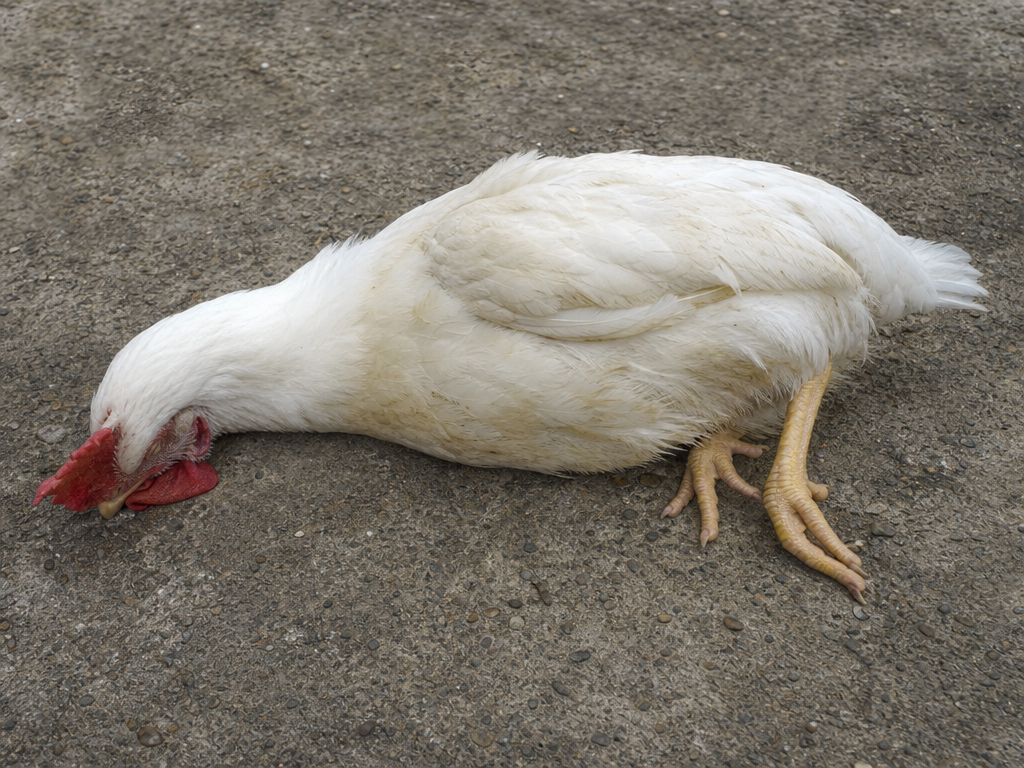
- progressive leg weakness progressing to paralysis, neck hanging limply, head resting on the ground (limberneck), wings drooping and dragging
- Prognosis
- Prognosis depends on the amount of toxin ingested. Birds with mild limberneck that can still swallow recover in 1-2 weeks with intensive supportive care in about 50% of cases. Birds that are fully paralyzed and cannot swallow rarely survive without veterinary intervention. The toxin clears naturally, so birds that receive adequate hydration and time may recover fully.
📑 On This Pagetap to expand
🔍What Are the Symptoms of Botulism in Chickens (Limberneck)?
- ●Progressive leg weakness progressing to paralysis
- ●Neck hanging limply, head resting on the ground (limberneck)
- ●Wings drooping and dragging
- ●Inability to stand or walk
- ●Eyelids drooping, slow blinking
- ●Feathers ruffled and easily pulled out
- ●Diarrhea in some cases
- ●Death within 24-48 hours in severe cases
🧬What Causes Botulism in Chickens (Limberneck) in Chickens?
Botulism is caused by ingesting the preformed neurotoxin produced by Clostridium botulinum, not by the bacterium itself.
- Dead animals in the flock area: Rotting carcasses of mice, other birds, or insects generate large amounts of botulinum toxin as they decompose. Chickens peck at carcasses and ingest the toxin directly.
- Stagnant water and wet organic matter: Mud wallows, stagnant puddles near compost piles, and wet decaying vegetation are breeding grounds for C. botulinum spore germination and toxin production.
- Spoiled or improperly stored feed: Wet, moldy, or anaerobic feed can harbor C. botulinum. Feed stored in sealed containers with water contamination is highest risk.
- Maggots and fly larvae: Fly maggots feeding on rotting material concentrate botulinum toxin. Chickens that eat maggots from contaminated sources ingest concentrated toxin.
🔬How Is Botulism in Chickens (Limberneck) Diagnosed?
Limberneck (flaccid neck paralysis) in multiple birds with access to rotting material is presumptive botulism.
- Clinical signs: Progressive ascending flaccid paralysis starting in legs, moving to wings, then neck. The bird remains conscious and alert early despite being unable to move.
- History: Access to dead animals, stagnant water, compost, or wet rotting organic matter in the 12-24 hours prior.
- Flock pattern: Multiple birds affected simultaneously suggests a common toxin source. Single bird suggests localized exposure.
- Confirmation: Mouse bioassay or ELISA toxin testing on serum, gut contents, or suspect feed through a diagnostic lab - not routinely done in field cases.
💊How Is Botulism in Chickens (Limberneck) Treated?
Remove the toxin source immediately and provide intensive supportive care. Antitoxin is not commercially available for poultry outside of research settings.
- Remove the source: Identify and remove the dead animals, contaminated feed, or stagnant water immediately. Prevent further exposure before treating affected birds.
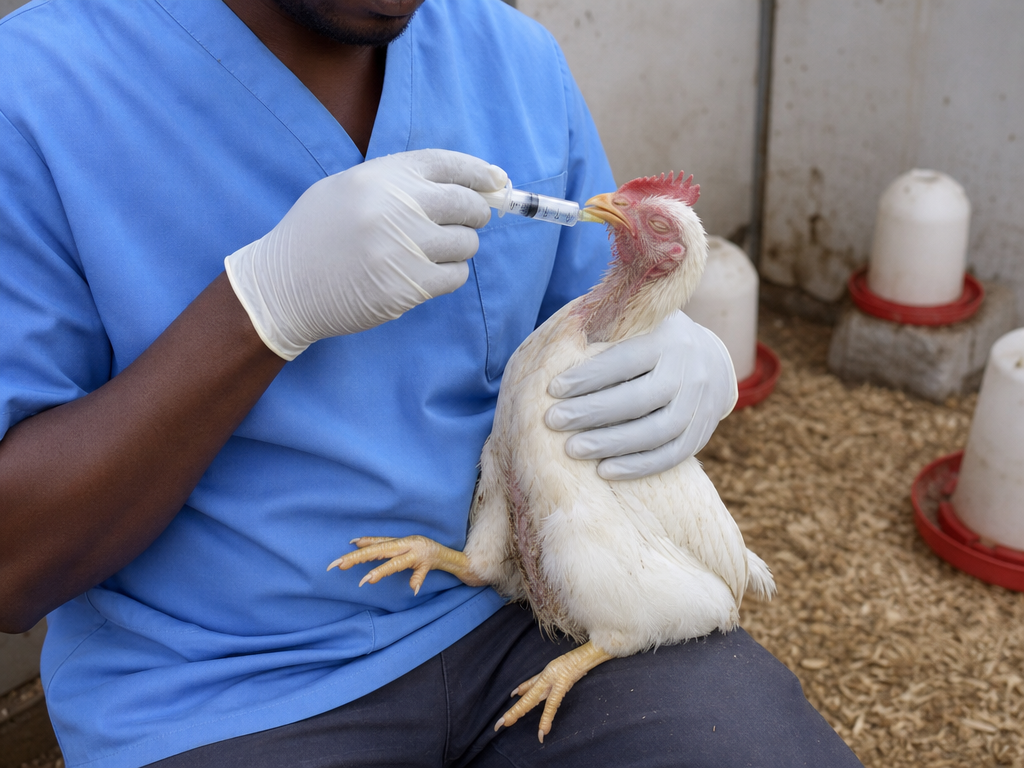
- Epsom salt flush: Administer Epsom salt solution (1 tsp per 8 oz water) orally via syringe to mildly affected birds to purge unabsorbed toxin from the gut. Use with caution - do not force feed birds that cannot swallow.
- Supportive care: Keep affected birds quiet, cool, and stress-free. Prop them upright to prevent aspiration pneumonia. Provide water via syringe if they cannot drink independently.
- Activated charcoal: 1-2 g/kg body weight orally may bind remaining toxin in the gut if administered within a few hours of exposure. Vet guidance recommended.
Natural & Integrative Care for Botulism in Chickens (Limberneck)
Supportive care is the primary natural treatment - there is no herbal antidote to botulinum toxin.
- Hydration support: Birds that cannot drink independently need water via dropper or syringe every 2-4 hours. Dehydration is a major cause of death in recovering birds.
- Quiet recovery space: Isolate affected birds in a calm, clean, padded recovery area. Stress accelerates deterioration. Deep, soft bedding prevents pressure sores in immobile birds.
🛡️How Can Botulism in Chickens (Limberneck) Be Prevented?
Botulism prevention is environmental - removing the conditions that allow toxin production.
- Remove dead animals immediately: Inspect the flock area daily and remove any carcasses, including mice, wild birds, and insects. Do not allow chickens access to carcasses.
- Eliminate stagnant water: Fix drainage problems, eliminate mud wallows, and keep compost piles and rotting organic matter away from flock areas.
- Proper feed storage: Store feed in clean, dry, sealed containers. Discard any wet or moldy feed immediately. Wet feed can grow botulinum toxin overnight in warm weather.
- Control flies: Maggot populations on organic matter concentrate toxin. Fly control reduces botulism risk in areas with decaying material near the coop.
📞When Should I Call a Vet for Botulism in Chickens (Limberneck)?
Call a vet immediately if multiple birds develop progressive paralysis within hours of each other. This is a flock emergency. Early intervention with supportive care and toxin source removal is the difference between losing a few birds and losing the entire flock. Botulism in poultry that affects waterfowl may also require wildlife agency notification.
❓Botulism in Chickens (Limberneck): Frequently Asked Questions
What is limberneck in chickens?
Limberneck is the common name for botulism in poultry, referring to the characteristic flaccid (floppy) neck paralysis caused by Clostridium botulinum toxin. Affected birds cannot hold their head up, droop their wings, and lose progressive use of their legs. It is caused by ingesting toxin from rotting carcasses, stagnant water, or spoiled feed.
How do chickens get botulism?
Chickens get botulism by ingesting Clostridium botulinum toxin from rotting organic matter. The most common sources are dead animals (mice, birds) in the flock area, maggots feeding on decomposing material, stagnant muddy water near compost, and wet spoiled feed stored in anaerobic conditions.
Can chickens recover from botulism?
Yes, mildly affected birds often recover with intensive supportive care. Keep them hydrated, quiet, and propped upright to prevent aspiration. The toxin clears naturally over 1-2 weeks. Birds that cannot swallow rarely survive without a veterinary Epsom salt gut flush or other supportive intervention. Remove the toxin source for all birds immediately.
Is botulism in chickens contagious?
No. Botulism is not contagious between birds - it is a toxin poisoning, not an infection. Multiple birds get sick when they all have access to the same contaminated source. Once the source is removed, no new birds become sick. Healthy birds that did not eat from the contaminated source are not at risk.
Is botulism from chickens dangerous to humans?
Clostridium botulinum can be present in the environment and in decomposing material. However, the toxin that sickens chickens does not directly spread to humans through normal poultry contact. The zoonotic risk is primarily from consuming improperly processed food contaminated with the toxin - not from handling affected birds.
📋Key Points
- ✓Botulism is caused by ingesting the preformed neurotoxin produced by Clostridium botulinum, not by the bacterium itself.
- ✓Key symptoms: progressive leg weakness progressing to paralysis, neck hanging limply, head resting on the ground (limberneck), wings drooping and dragging, inability to stand or walk.
- ✓Prognosis depends on the amount of toxin ingested. Birds with mild limberneck that can still swallow recover in 1-2 weeks with intensive supportive care in about 50% of cases. Birds that are fully paralyzed and cannot swallow rarely survive without veterinary intervention. The toxin clears naturally, so birds that receive adequate hydration and time may recover fully.
- ✓This condition is zoonotic and can potentially affect humans. Practice thorough hygiene when handling sick birds.
🔗Related
Related Conditions
📚Sources & References
- 1.Botulism in Poultry. Merck Veterinary Manual. 2024
- 2.Clostridial Diseases of Poultry. Merck Veterinary Manual. 2024
- 3.Backyard Flock Health and Biosecurity. USDA APHIS. 2022